

A fresh approach to multifunctional furniture is challenging the way consumers think about storage and organization in their homes. Rather than bolting together hooks, shelves, and panels into an awkward contraption, a new wave of designs integrates storage and display into a single sculptural form that serves practical needs while functioning as a decorative accent piece.
The Problem with Traditional Multifunctional Furniture
For decades, coat stands and wall-mounted organizers have suffered from an identity crisis. A coat stand takes up valuable floor space yet feels purely utilitarian, while a bulletin board or pin board works fine at a desk but looks institutional in a living room. When manufacturers try to combine these functions, the results often feel clunky and compromise on both aesthetics and functionality.
This tension exists because most multifunctional pieces treat storage as something to be imposed on a design rather than something that flows naturally from the shape itself. The typical approach involves adding brackets, hooks, panels, and hardware to create different surfaces for different purposes. The result is a piece that works but doesn’t inspire.
A Natural Approach to Storage Design
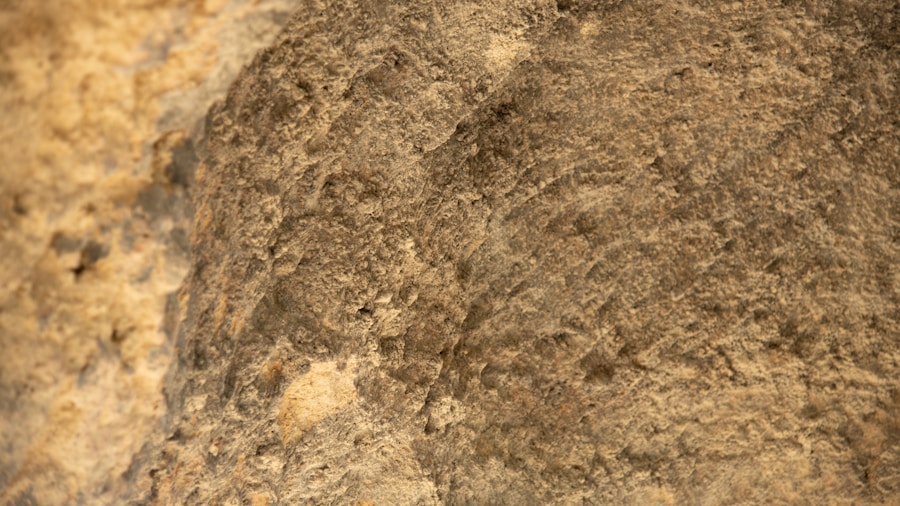
Recent innovations in furniture design are taking a different angle. Instead of starting with hooks and shelves, designers are beginning with form and allowing function to emerge from that form. One emerging example demonstrates this principle through material choice and sculptural shape.
The design in question takes inspiration from natural forms and uses cork as both a conceptual and practical material. Cork’s naturally textured surface allows eyeglasses and small objects to rest securely without sliding off. More importantly, cork accepts pushpins directly into its body without requiring backing boards or reinforcement. A sketch, sticky note, or reminder card can pin anywhere on the surface, turning the entire object into an improvisational task board.
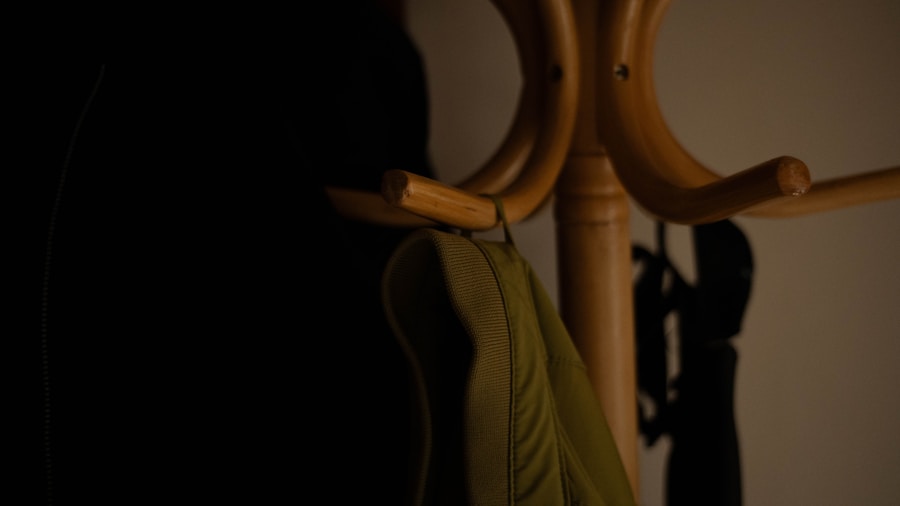
The structure extends with curved arms that function as hooks without any added hardware. A backpack hangs naturally from one arm, a tote bag from another, and a scarf drapes without slipping. Headphones rest over an arm when not in use. None of this requires dedicated accessories or special intention. The geometry handles everything.
What This Means for Your Home
The shift toward sculptural, form-first multifunctional pieces matters for several reasons. First, these objects don’t look like furniture in the traditional sense. Because they prioritize appearance, they feel comfortable in any room without announcing themselves as storage solutions. This is crucial for small spaces and modern interiors where every object should pull double duty visually.
Second, the lack of hardware means no assembly required. You set it down where you need it, and the room organizes itself around it naturally. There’s nothing to install, no brackets to debate, and no decisions about which hooks go where.
Third, this approach works across multiple locations. Place one next to a desk and it functions as a physical, screen-free task board. Move it to a living room or hallway and it shifts roles without changing character. The neutral materials and proportions allow seamless integration into most interior styles.
For shoppers considering new furniture investments, this represents a meaningful opportunity. Design experts increasingly emphasize choosing pieces that work harder for their aesthetic impact, and this principle applies directly to storage solutions. Rather than buying separate items for different functions, you can invest in one well-designed object that handles multiple needs.
Material Matters in Multifunctional Design
The choice of cork is particularly telling. Unlike plastic or metal, cork has a warm, natural quality that sits comfortably alongside most interior materials and color palettes. It’s textured without being rough, and it ages beautifully as it develops character over time. The material choice prevents the piece from reading as purely utilitarian or industrial.
This attention to material extends to how the piece actually functions. Cork grips without being tacky, accepts pins without surface damage, and provides enough friction that items don’t slide off curved surfaces. The material and the form work together to create functionality that feels effortless rather than engineered.
The Bigger Trend in Furniture Shopping
The emergence of form-first multifunctional pieces reflects a broader shift in how designers and manufacturers approach storage challenges. Successful furniture solutions increasingly prioritize integration into the home’s overall aesthetic rather than treating storage as a separate problem requiring a separate solution.
For consumers shopping for furniture, this means looking beyond the checklist of functions a piece offers and considering whether it actually integrates into your space. Does it feel like a natural part of the room or like an addition? Will it work across multiple rooms if your needs change? Does the material quality suggest it will age well?
Pieces designed this way tend to earn their place in your home first and prove their utility second. That’s the opposite of traditional multifunctional furniture, where the storage function dominates and everything else becomes negotiable. When form leads, people actually use and appreciate the storage they’ve created.







Write Your Review
No reviews yet. Be the first to share your experience!