

The Andrew Martin Interior Designer of the Year Award is marking three decades of recognizing exceptional design talent from around the world. Now in its thirtieth year, the prestigious award continues to shape how professionals and homeowners alike think about interior design trends and timeless spaces. This milestone offers valuable insights into where design is heading and what it means for anyone planning a home refresh.
Three Decades of Design Evolution
Launched in 1996, the award was created with a simple mission: discover the world’s finest interior designers and give them a platform to showcase their work. Over thirty years, the award has evolved into much more than a celebrity list. It now represents a comprehensive record of how our homes, tastes, and lifestyles have changed. Each year, the accompanying Interior Design Review publishes work from one hundred designers across thirty or more countries, creating what many call the ‘Bible of Interior Design.’
The 30th edition of the Interior Design Review spans over five hundred pages and features more than twelve hundred photographs. When all thirty volumes are lined up together, they tell the story of design history: what homeowners have fallen in love with, what they’ve abandoned, and which designers have led the charge.
The Shift Away from Fleeting Trends
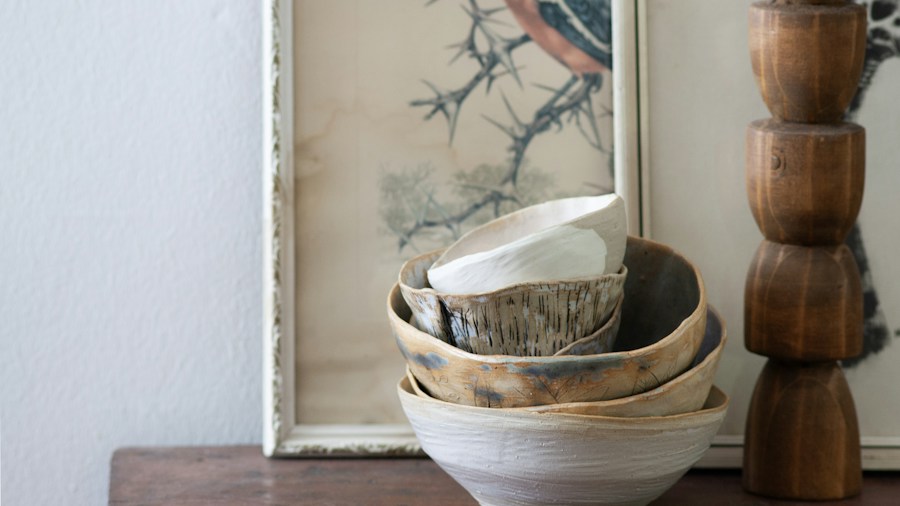
One of the most significant changes highlighted by this year’s award winners is a dramatic departure from fast furniture and cookie-cutter interiors. Designers featured in the review consistently emphasize that clients are rejecting sterile, perfectly staged spaces in favor of homes that actually reflect the people living in them.
Jo Bee, a Yorkshire-based designer known for bold use of color, observes that clients are shedding their fear of vibrant hues and making expressive choices. Rather than following trends simply because they exist, homeowners are creating layered, character-rich interiors that tell their own unique stories. This represents a fundamental shift in how people approach interior design: as a personal expression rather than a trend checklist.
American designer Kara Childress, whose work emphasizes timelessness and livability, notes that families increasingly want rooms they can actually use rather than overly curated showpieces. Her philosophy centers on designing spaces meant to be passed down through generations, becoming family heirlooms rather than temporary statements. Similar to how established designers share their frameworks with home shoppers, Childress builds each project around the specific needs and stories of the families who will inhabit the spaces.
Technology and Design Tools
Several award-winning designers expressed excitement about artificial intelligence as a design tool. Rather than replacing human creativity, AI offers new ways for designers and clients to collaborate. It allows homeowners to visualize spaces before construction begins, making the design process more fluid and transparent.
Gregory Mellor, a Sydney-based designer with roots in South African design traditions, emphasizes that while AI is a helpful communication tool, it doesn’t replace the relationships and craftsmanship essential to good design. The technology simply expands possibilities for both professionals and clients exploring different aesthetic directions.
What This Means for Your Home Design Choices
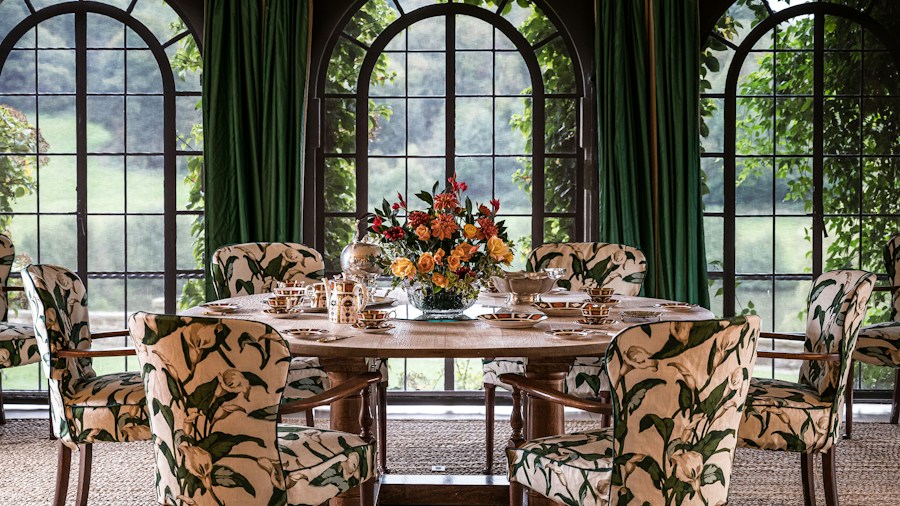
For shoppers considering a design overhaul, these award-winning designers offer several actionable takeaways. First, invest in pieces with longevity. Antiques, reclaimed materials, and timeless furniture silhouettes outlast trending items by decades. Current lighting trends show organic shapes emerging as enduring choices that complement both traditional and modern interiors.
Second, embrace color and texture thoughtfully. The designers featured in this year’s review demonstrate that bold colors, when applied with intention, create sophisticated, livable spaces rather than chaotic ones. Layering textures through walls, ceilings, floors, and furnishings adds depth and personality.
Third, design for how you actually live. Rather than creating perfect Instagram-worthy rooms, focus on spaces that accommodate your daily routines, hobbies, and family gatherings. A room designed around your mahjong nights or your love of reading will feel more welcoming than one designed purely for aesthetics.
Fourth, consider the bones of your space. Strong architecture and quality materials create a foundation that outlasts any decorative trend. Even historical design elements like Victorian-inspired pieces are returning as homeowners appreciate items with history and character.
Looking Forward
As the award enters its fourth decade, the consensus among leading designers is clear: the future of interior design belongs to homes that feel collected, personal, and lived-in. The homogeneous, overly curated aesthetic that dominated recent years is giving way to spaces with genuine warmth and individuality. For homeowners, this means permission to trust your instincts, celebrate your personal style, and invest in pieces that matter to you. The best interior design isn’t about following trends. It’s about creating a home that tells your story and serves your life for years to come.












Write Your Review
No reviews yet. Be the first to share your experience!