

A South Korean designer has unveiled an unconventional approach to reviving aging furniture that challenges how we think about restoration and sustainability. Rather than sanding down scars or refinishing surfaces to look new, the project wraps discarded wooden chairs in translucent resin, leaving all signs of wear and age intentionally visible beneath a modern shell.
Why This Matters for Furniture Shoppers
The furniture industry typically pushes two narratives: buy new or restore until pieces look pristine. This approach offers a third option that resonates with consumers seeking authenticity without abandonment. The technique proves that aged materials retain value not despite their imperfections, but because of them.
For buyers interested in sustainable choices, this demonstrates how inherited and existing furniture can become the centerpiece of design rather than something to discard. The resin treatment doesn’t erase history, it frames it.
How the Transformation Works
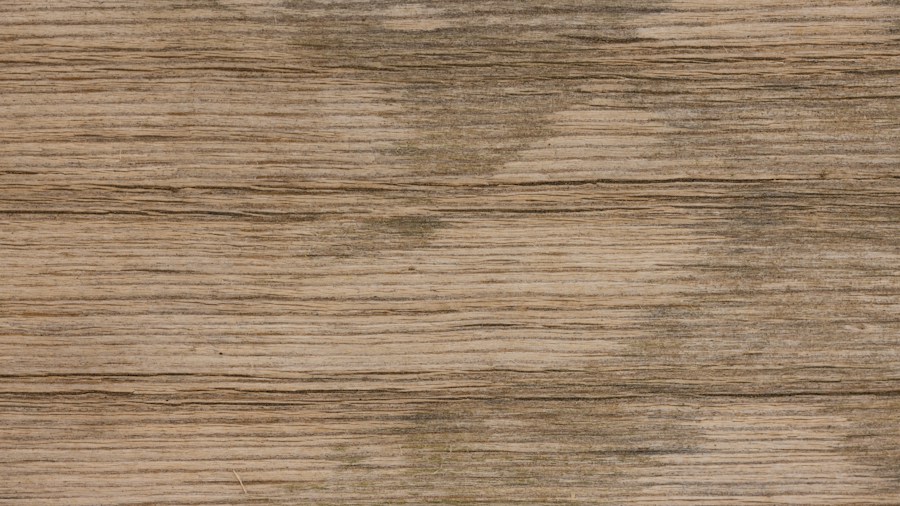
The resin application creates a frosted, translucent border around the wood components, effectively enlarging the chair’s silhouette while keeping the original structure legible inside. Darkened wood grain, uneven coloring, and visible hardware like fasteners remain on display, creating a visual dialogue between the weathered original and its contemporary wrapper.
From a distance, the piece reads as a pale, sculptural form. Close inspection reveals the darker timber within, its irregular surfaces and connection points telling a story of years of use. The contrast between viewing distances becomes part of the experience: first recognition of an elegant outline, then discovery of authentic wear underneath.
The visible fasteners and assembly details are crucial to the effect. Leaving hardware exposed prevents the aged wood from appearing as mere decorative filler. Instead, viewers recognize actual construction and genuine connections that weren’t invented for aesthetic appeal. This honesty separates the approach from typical upcycling projects that aim to conceal their sources.
What Sets This Apart from Standard Restoration
Traditional furniture repair typically erases evidence of use. Polish covers scratches, new stain masks fading, and replacement parts restore function to wobbly joints. This method inverts that logic entirely.
The design philosophy acknowledges that objects carry memories through their material marks. Rather than viewing aging as deterioration, the resin treatment recontextualizes wear as a feature worth examining rather than hiding. The project’s title, The Youth, becomes meaningful in this context: not a reversal of time, but a discovery of new possibility within existing materials.
For shoppers evaluating whether to keep or replace aging pieces, this demonstrates aesthetic and conceptual value in preservation that goes beyond practical functionality. Many household items possess visual interest and structural integrity even when they no longer serve their original purpose perfectly.
Practical Considerations for Consumers
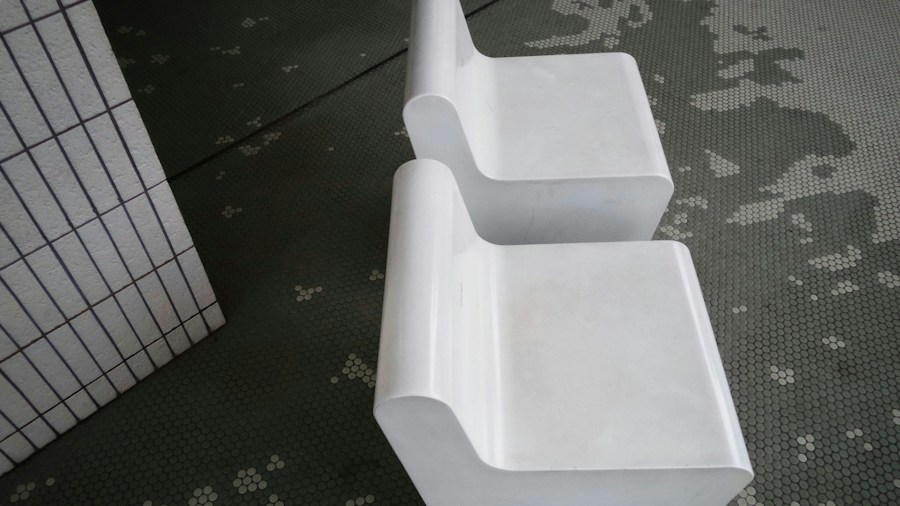
It’s important to note that these pieces function as exhibition works and art objects rather than practical repairs for everyday dining chairs. The open seat area in the designer’s examples removes the expectation of comfort and use. This is a conceptual statement about materials and aging, not a furniture repair technique ready for your home.
However, the underlying philosophy offers takeaways for everyday buyers. Similar to how discontinued vintage furniture lines gain collector appeal, aged pieces possess an authenticity that new reproductions cannot match. The visible wear tells a genuine story.
Before discarding old furniture, consumers might reconsider what those marks and imperfections communicate. A faded finish isn’t necessarily a flaw; it’s evidence of service. Surface irregularities and patina become character rather than defect when viewed through this lens.
The Sustainability Question
While reclaimed wood certainly plays a role in this type of project, the approach doesn’t rely on sweeping environmental claims to justify itself. The genuine achievement lies in how the resin allows original components to remain completely recognizable while substantially transforming the object’s presence and proportion.
This relationship proves more interesting than treating old wood as anonymous raw material stripped of individual history. Each piece carries its own particular marks and color variations. The resin doesn’t erase these details; it highlights them through contrast and new proportions.
Smart furniture shoppers increasingly understand that longevity and meaningful design matter as much as immediate novelty. By keeping existing pieces and reimagining their presentation or function, consumers align with both personal aesthetics and resource efficiency. Whether through professional design intervention or personal creative reuse, there are multiple ways to give furniture new life without requiring factory-fresh replacement.
The most persuasive aspect of this project isn’t its material technique but its fundamental message: the marks that might otherwise count against aged furniture are precisely what make them worth keeping and reconsidering.











Write Your Review
No reviews yet. Be the first to share your experience!