

The IMPALA Line Captured 1970s Design at Its Peak
For decades, IKEA has built a reputation for delivering affordable, stylish home furnishings to shoppers worldwide. Yet some of the retailer’s most celebrated pieces remain locked away in the past, available only through expensive resale channels. One such collection is the IMPALA line, a striking set of living room furniture that defined 1970s aesthetics and continues to captivate design enthusiasts today.
The IMPALA collection was born from the creative vision of Gillis Lundgren, one of IKEA’s earliest employees and the designer behind the iconic BILLY bookcase that remains a best seller. In the 1970s, Lundgren crafted the IMPALA line to showcase distinctive, rounded silhouettes and warm color palettes that embodied the bohemian spirit of that era. The lounge chairs and sofas featured sleek chrome support bars paired with richly hued cushioning, creating pieces that were instantly recognizable and deeply appealing to customers seeking bold, expressive furniture.
Why the IMPALA Collection Was Discontinued
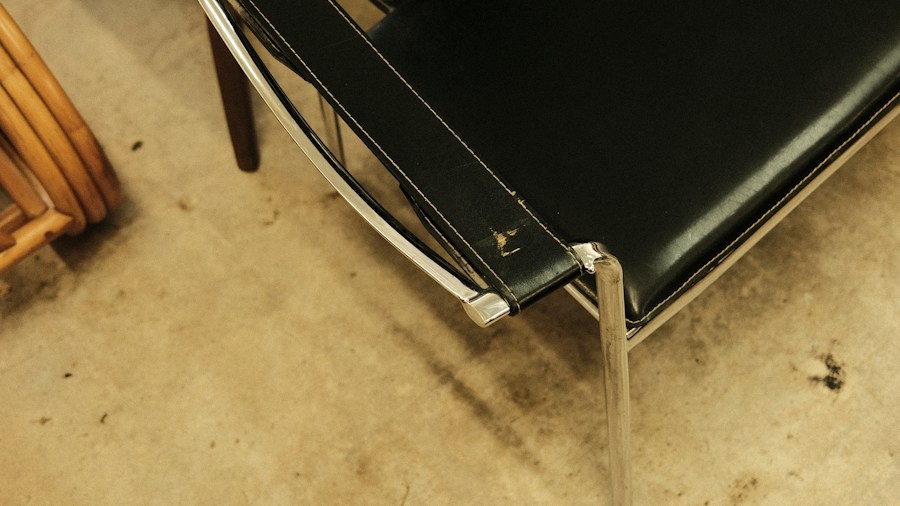
Despite strong customer interest and popularity that exceeded even founder Ingvar Kamprad’s expectations, IKEA made the decision to discontinue the IMPALA line. The primary reason: production costs. The materials and craftsmanship required to create these sturdy, distinctive pieces made them far more expensive to manufacture than IKEA’s typical product offerings. In a company built on the principle of bringing quality design to the masses at low prices, the IMPALA line ultimately became unsustainable from a business perspective.
The collection remained in active production for just one year, making it a genuinely limited run. This scarcity has transformed vintage IMPALA pieces into collector’s items, with prices that would shock budget conscious shoppers. On the online vintage furniture marketplace 1stDibs, IMPALA lounge chairs can fetch as much as $12,000 depending on condition. Many searches for these pieces yield “sold out” results, reflecting how rare they have become on the secondhand market.
The Retro Trend Driving New Demand
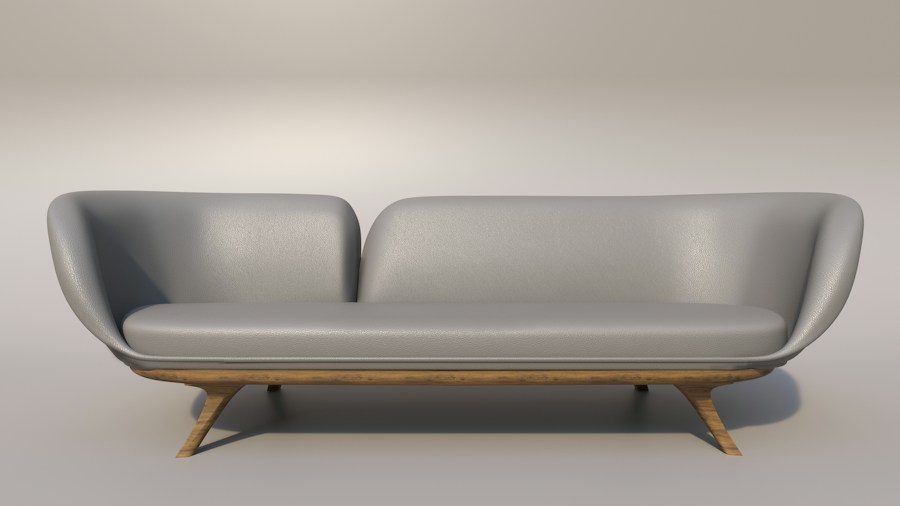
The resurgence of 1970s design in contemporary home decor has rekindled interest in the IMPALA collection. Interior design enthusiasts across social media and furniture forums are actively calling for IKEA to bring this line back to production. The low slung, rounded profiles of IMPALA pieces are perfectly positioned to capitalize on the return of vintage inspired boho and maximalist design trends that are currently reshaping living room aesthetics across America.
IKEA has shown willingness to revisit its archival designs through its Nytillverkad collection, which reissues updated versions of beloved pieces from the 1970s and earlier decades. The collection includes modern takes on classics originally created by Lundgren and his contemporaries, such as the DYVLINGE swivel chair based on a 1967 design. However, there is no guarantee that IMPALA will receive the same treatment, particularly given the production challenges that led to its original discontinuation.
Finding Affordable Alternatives to Vintage IMPALA
For shoppers drawn to the IMPALA aesthetic but unable or unwilling to pay collector’s prices, several alternatives exist. The IKEA Forsaljare Sideboard showcases what shoppers should know about mid century finds that balance vintage appeal with modern pricing. Beyond IKEA itself, the Ligne Roset Togo chair offers a compelling French made option featuring similarly plush, low profile seating. These chairs and sofas have remained in continuous production for over 50 years and are widely available on the vintage resale market at substantially lower prices than IMPALA pieces.
For budget conscious decorators, modern furniture makers are increasingly producing low slung sofas and lounge chairs that capture the spirit of 1970s design without the hefty price tag. The MAXYOYO Accent Chair with Ottoman from Amazon provides an adjustable seating solution in bold colors ranging from deep green to vibrant orange for under $200. IKEA’s latest retro inspired reissues show the brand’s commitment to bringing back design classics from previous eras.
As 1970s design trends continue to influence contemporary home decor, the demand for furniture that captures this era’s distinctive character will likely grow. Whether or not IKEA decides to revive the IMPALA line, shoppers now have more options than ever for achieving that iconic low slung, boho aesthetic at price points that won’t require a second mortgage. The key is understanding what makes these designs so appealing and knowing where to find modern alternatives that deliver the same visual impact.







Write Your Review
No reviews yet. Be the first to share your experience!