

If you’re considering switching to a new wireless carrier, you don’t have to commit immediately. The major carriers in the US now offer free trial periods that let you test their service before making any long-term decisions. Understanding how these trials work and what they include can help you make an informed choice about which carrier best fits your needs.
How the Free Trial Process Works
The three largest carriers all provide 30-day free trials through their official mobile apps, available on both iOS and Android platforms. The enrollment process requires no payment, credit card information, or credit check. You simply download the app, sign up, and receive instructions to activate a temporary eSIM on your device.
The eSIM technology is central to how these trials function. Your existing phone number and voice service continue to work on your primary SIM card, so you stay reachable throughout the trial period. Meanwhile, the eSIM handles data coverage from the carrier you’re testing. This dual-SIM setup allows you to switch between carriers and directly compare their actual performance in your area before committing financially.
What Each Carrier Offers During Trials
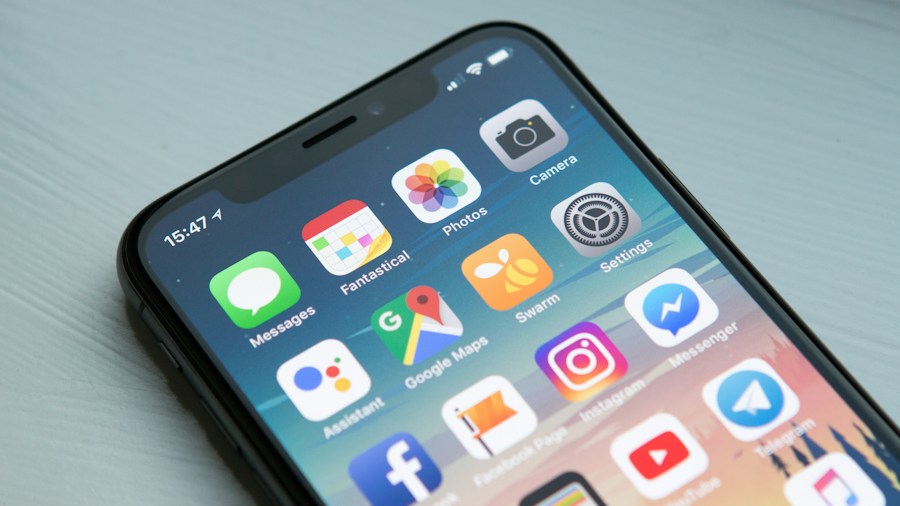
The major carriers are eager to convert trial users, so their offerings are quite generous. Each carrier provides different benefits to showcase their strengths.
- AT&T provides 100GB of 5G data with 25GB of hotspot allowance, unlimited calls and texts to the US, Canada, and Mexico, plus free international texting to over 200 countries.
- Verizon includes unlimited calls and texting, 100GB of 5G data, and up to 4K video streaming when connected to their Ultra Wideband 5G network.
- T-Mobile offers unlimited high-speed data, access to satellite services, and unlimited calls and texts.
These packages demonstrate that carriers are making genuine efforts to show potential customers what premium service looks like. Consider researching how each carrier performs in your specific area before your trial begins.
Important Limitations and Restrictions
While these trials are free, they come with important restrictions you should understand. The carriers have built in safeguards to prevent people from perpetually using free trials instead of paying for service. AT&T and T-Mobile limit you to one trial per user account, while Verizon restricts free trials to once every 12 months.
Additionally, these trials are only available if you’re not currently a customer of that carrier, and your phone must be unlocked from any previous carrier. If your phone is locked to another network, you’ll need to unlock it first. Most carriers will unlock devices 45 to 60 days after purchase, provided you’ve paid off the phone and have no outstanding balances or theft reports on the device.
Other Carrier Options Worth Exploring

Beyond the big three, numerous MVNOs and smaller carriers offer their own trial programs. Carrier’s engineless cooling innovations show how major companies are evolving, and similarly, wireless providers continue to innovate their trial offerings.
Visible, which operates as a Verizon subsidiary, provides a 15-day trial with Verizon’s perks but shorter duration. U.S. Mobile offers 30 days of unlimited calls and texts plus 30GB of data with 5GB hotspot access, though you must enable AutoPay and provide a credit card. Google Fi Wireless gives you seven days free but requires a credit card and auto-renewal, so you need to actively cancel to avoid charges.
Cricket Wireless provides a 14-day trial with limitations: you get calls and texts but only 3GB of data. As companies across industries embrace sustainability, consider whether carrier environmental practices matter in your decision.
Other carriers like Mint Mobile and Boost Mobile skip free trials but offer money-back guarantees. Mint provides seven days to request a refund, while Boost Mobile offers 30 days. Always check what specific policies apply before signing up.
Making Your Decision
The availability of free trials removes a major barrier to switching carriers. You can now verify that a new carrier’s service meets your needs in your location before paying for service. Understanding carrier practices regarding location tracking and privacy is another consideration as you evaluate options.
Before your trial ends, you’ll receive an offer to convert to paid service. You’re under no obligation to switch, and if you decide to stay with your current carrier, simply let the trial expire. This zero-pressure approach means you can sample multiple carriers over time, though you’ll need to wait at least a year between trials with Verizon, or stick to one-time trials with AT&T and T-Mobile.












Write Your Review
No reviews yet. Be the first to share your experience!