

Understanding the Bed Bug Interceptor Solution
Bed bugs are notoriously difficult pests to manage, and their small size makes them even harder to control once an infestation takes hold. A practical tool called a bed bug interceptor offers homeowners a way to monitor and prevent these pests from reaching your furniture and mattresses. These simple devices work by trapping bed bugs as they attempt to climb up furniture legs, giving you valuable insight into whether you actually have an infestation.
Interceptors are small plastic cups or saucers with vertical walls designed to fit under furniture feet. The outer surface is textured to allow bugs to climb in, but the inner channel is slippery, trapping them inside. While they won’t eliminate an existing large infestation on their own, they serve as an excellent early detection system and can help prevent the problem from spreading throughout your living space.
Choosing the Right Interceptor Design for Your Furniture
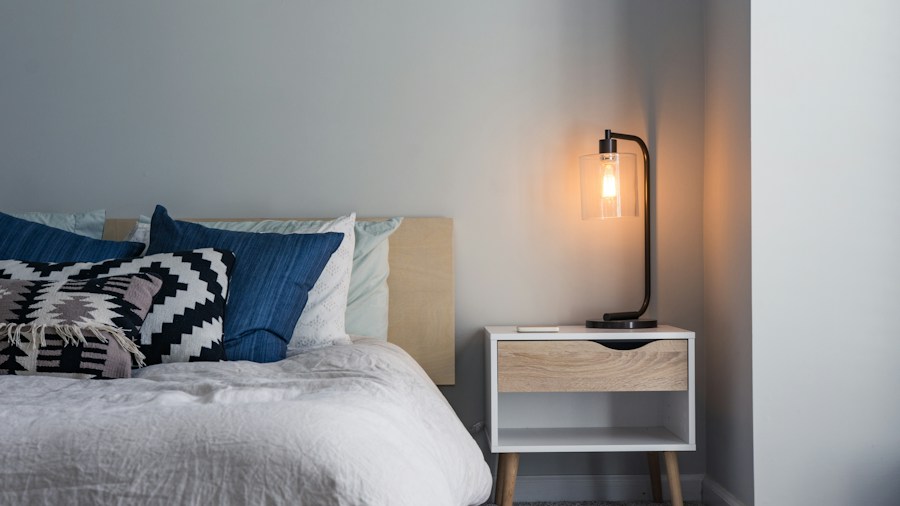
Interceptor designs vary widely in the marketplace, ranging from square blockers to smaller rounded cups. The choice between styles often depends on your furniture type. Larger, more robust options work better under heavier pieces or furniture with thick legs, while smaller versions suit lighter frames. Despite these design differences, all quality interceptors operate using the same basic principle: texture on the outside for climbing, smooth surfaces on the inside for trapping.
When selecting interceptors for your space, consider the weight and leg diameter of each piece of furniture you want to protect. Most retailers offer multiple sizes, so taking measurements of your bed frame or sofa feet before purchasing ensures a proper fit and maximum effectiveness.
Proper Placement and Setup Techniques
For interceptors to work effectively, they must be the only pathway available for bed bugs to access your furniture. This requires careful setup on your part. First, place an interceptor under every furniture leg that touches the floor. A bed with four legs requires four separate traps. If you’re protecting a sofa with eight legs, you’ll need eight interceptors total.
Next, eliminate alternative routes. Remove or tuck away any bed skirts or fabric that hangs down and touches the floor, as bed bugs can use these as alternate climbing paths. Pull your furniture away from walls and other surfaces where bugs might bridge the gap. The goal is to create isolation, making the interceptor the only way for pests to reach your sleeping area. When setting up your bedroom this way, you’re applying principles similar to those used in professional furniture displays, where thoughtful furniture arrangement transforms the entire space.
Boosting Effectiveness with Additional Strategies
While interceptors work well on their own, you can increase their effectiveness by combining them with other approaches. Some people use pheromone baits or carbon dioxide sources like dry ice near the traps to attract bed bugs more quickly. This helps you determine your infestation status faster. However, simply having the interceptors in place under your furniture is often sufficient for monitoring purposes.
The key is consistency. Check your traps regularly, at least a few times per week. Empty and clean them as needed. If you find bugs accumulating in the traps, dispose of them properly by drowning them in soapy water or sealing them in plastic bags before disposal. Never simply dump them in the trash, as this can spread the infestation to other areas.
Using Interceptor Data to Make Treatment Decisions
Interceptors are diagnostic tools first and foremost. Over the course of two to four weeks, the data you collect tells you whether you have a real problem. If no bugs appear in your traps during this period, you’re likely safe and can remove them. If you consistently find bed bugs in the traps, it’s time to take action. You can choose between do-it-yourself chemical treatments for furniture and bedding or calling a professional pest control service.
This monitoring approach prevents unnecessary panic and expensive treatments based on false alarms. If you’ve spotted a bug or two while traveling, interceptors let you determine whether those isolated incidents brought anything home with you. Many people who incorporate strategic furniture purchases and maintenance into their home routines also maintain these simple protective measures.
Maintaining Long-Term Protection
Once you’ve set up your interceptors, maintaining them requires minimal effort. Check them weekly, keep the inner surfaces clean and free of debris, and replace any that become damaged or clogged. Some people leave interceptors under their furniture permanently as an ongoing monitoring system, while others use them seasonally or after traveling.
Remember that interceptors are part of a broader pest management strategy, not a complete solution by themselves. They work best when combined with regular furniture inspection, cleanliness practices, and awareness of bed bug signs. By using these simple devices, you gain peace of mind and early warning if problems develop, allowing you to respond quickly before a minor issue becomes a major infestation.










Write Your Review
No reviews yet. Be the first to share your experience!