

The Rise of Invisible Cabinet Storage in Modern Homes
As we head into late 2026 and beyond, a quiet revolution is reshaping how homeowners think about living room design. Celebrity homes are showcasing a growing trend toward what designers call ‘invisible’ or seamlessly integrated cabinet storage, and the appeal is straightforward: clean aesthetics without visual clutter. Unlike traditional open shelving that displays every book, decoration, and household item, these discreet cabinets blend into walls, creating an uninterrupted visual flow that transforms how rooms feel and function.
The concept is far simpler than it sounds. Cabinets painted to match surrounding walls, particularly in bright whites and neutrals, essentially disappear into the architecture. This approach lets the room’s structural features and the homeowner’s carefully curated possessions take the spotlight, rather than the storage itself. New York-based interior designer Artem Kropovinsky describes the method as comparable to tailoring: ‘It fits impeccably without drawing attention to its own construction,’ he explains. The result is an environment that feels intentional and refined rather than overstuffed.
What This Trend Means for Urban Shoppers
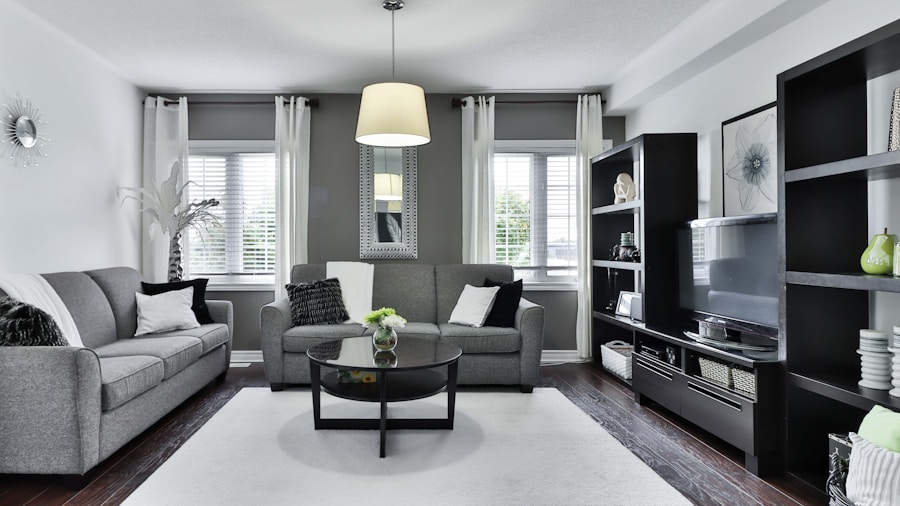
For buyers living in city apartments and smaller homes where square footage is precious, invisible cabinetry solves a real problem. Storage that doesn’t announce itself visually creates the illusion of more open, breathing space. This matters tremendously in urban settings where efficient use of every inch can determine whether a room feels expansive or cramped. By reducing the visual footprint of storage, homeowners gain back perceived space without sacrificing functionality.
The psychological benefit extends beyond appearances. An uncluttered interior with hidden storage naturally promotes mental calm. Kropovinsky notes that ‘an interior with a clean, sleek look achieved through discreet cabinetry can subconsciously foster a sense of calm and order.’ As we move through the cozy autumn months and into 2027, more shoppers are recognizing that their surroundings directly influence their stress levels and sense of peace. Choosing interior design approaches that prioritize calm and intentionality has become a wellness decision, not just an aesthetic one.
Making the Invisible Cabinet Trend Work in Your Space
If you’re considering this design direction, the practical steps are manageable. Start by assessing what truly needs to be stored versus what deserves display. When you limit visible storage options, your cherished objects and art pieces finally get room to shine. This selective curation transforms how the eye moves through a space, landing on meaningful pieces rather than scanning rows of miscellaneous items.
Color coordination is critical. The most effective invisible cabinets use paint that exactly matches the surrounding wall finish. Matte or soft finishes work better than glossy ones, which might catch light and betray the cabinet’s presence. Hardware also plays a subtle role; minimalist handles or recessed push-to-open systems maintain the seamless effect. Interested in complementary storage styles? Wall-mounted decorative pieces can add visual interest without cluttering open surfaces.
Balancing Hidden Storage with Living Room Function
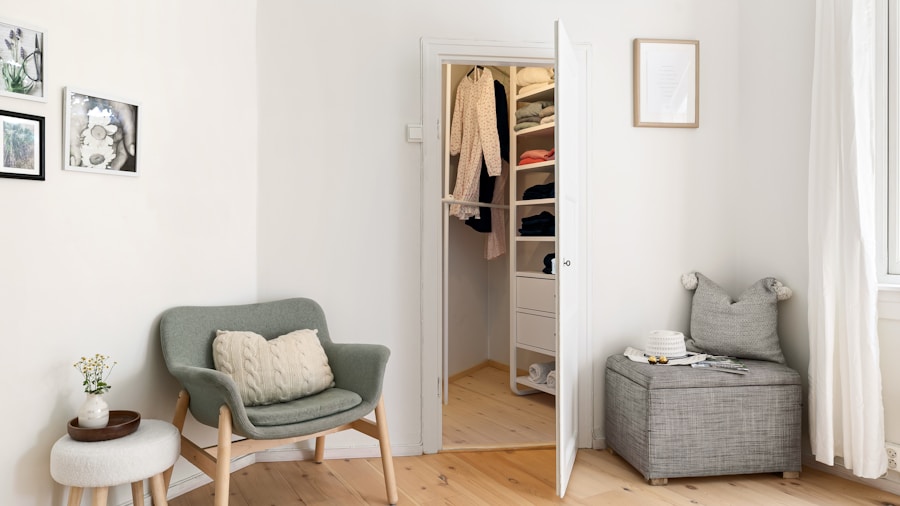
While full-invisible cabinetry suits any interior style, it’s particularly valuable in Manhattan-style apartments and small urban homes. Seasonal items, off-season clothing, entertaining supplies, and everyday essentials all vanish behind these walls, freeing prime real estate for furniture and decor that genuinely matters to you.
The trend doesn’t require an all-or-nothing approach. Many homeowners blend invisible cabinetry with a carefully chosen display piece or two. A warm leather throw, a piece of meaningful wall art, or a sculptural object gains tremendous presence when surrounded by negative space rather than competing for attention among dozens of items. This restraint elevates even modest furnishings into statement pieces. Thoughtfully selected furniture becomes the real focal point when storage steps into the background.
What Shoppers Should Know Going Forward
As invisible cabinetry moves from celebrity homes into mainstream interior design conversations, expect to see more products and services emerging around this concept. Paint manufacturers are developing cabinet-specific formulas for seamless color matching. Cabinet makers are expanding their integrated hardware options. Retailers are recognizing the demand for storage solutions that prioritize restraint over display.
For shoppers planning a living room refresh in 2026 and beyond, the shift toward hidden storage represents a broader cultural moment: the rise of intentional, curated living over endless accumulation. It’s an interior design philosophy that values breathing room, mental peace, and the beauty of carefully chosen objects displayed in uncluttered environments. Whether you embrace full invisible cabinetry or adopt selective elements of this approach, the core principle remains powerful. Less visual noise creates more visual impact for what actually matters to you.








Write Your Review
No reviews yet. Be the first to share your experience!