

The hunt for authentic vintage home decor has led collectors and design enthusiasts to an unexpected treasure: old garden sprayers. Once purely functional tools for applying pesticides and fungicides to plants, these charming pieces from decades past now command attention as rustic decorative elements. Thrift stores, estate sales, and online marketplaces have become hotspots for shoppers seeking these nostalgic items to enhance their farmhouse, cottage, or eclectic home aesthetics.
What Makes Vintage Garden Sprayers Collectible
Vintage garden sprayers stand out because they blend form and function in ways modern tools rarely achieve. The most sought-after models feature hand-operated pump mechanisms with cylindrical bodies, round reservoirs, and decorative finishes. Hand-pump tin sprayers, commonly known as Flit guns, typically display colorful painted designs and period advertising graphics. Original FLIT models from the 1930s showcase distinctive blue and yellow branding, while others like the FlyDed sprayer feature original green glass jars that catch light beautifully.
Collectors particularly value brass and copper sprayers dating between 1850 and 1900, especially those crafted by recognized makers like Enot. These pieces often feature smooth wooden handles worn by decades of use, decorative metal fittings, and maker’s marks that authenticate their age and origin. The combination of materials, craftsmanship, and historical significance makes these tools far more appealing than their modern plastic counterparts.
How to Evaluate Vintage Garden Sprayer Condition and Value
Not every old sprayer found at a flea market deserves a spot in your collection. Several factors determine whether a piece is truly worth acquiring. Originality is paramount: check that the reservoir, pump, handle, and nozzle remain intact and match the original design. Glass components should be crack-free, and metal parts should show only minimal corrosion and faded paint rather than serious damage.
Interestingly, aged patina and light surface rust can actually enhance appeal rather than detract from it. These signs of history tell a story of genuine use and authenticity. However, missing components or severe damage significantly reduces desirability and value. If leather pump seals are present, expect them to have deteriorated over time since leather dries out and perishes when unused for years, which affects functionality but rarely diminishes decorative appeal.
Styling Your Home with Vintage Garden Sprayers
The beauty of these pieces lies in their versatility within your decor scheme. Smaller sprayers work wonderfully arranged on rustic wooden shelves alongside vintage seed tins, terracotta pots, and other garden collectibles. Glass jar varieties display particularly well on kitchen windowsills or in potting sheds, creating charming vignettes that celebrate garden heritage.
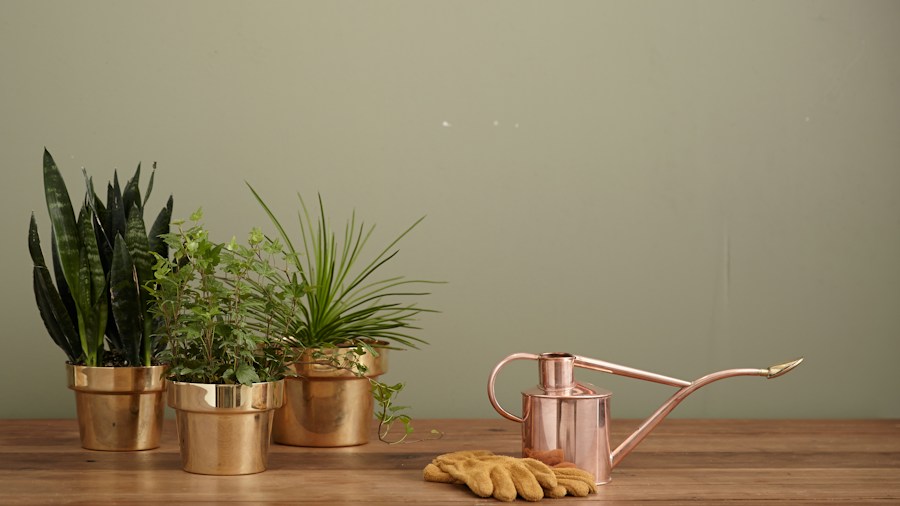
Larger brass and copper models command attention as standalone pieces. Position them on a hearth, garden table, or potting bench where their metalwork can be admired. For those with dedicated spaces like summer houses or garden sheds, consider mounting a collection directly to walls for an authentic cottage garden atmosphere. The key is showcasing these tools in their original form rather than refinishing or stripping away patina that took decades to develop. When displayed thoughtfully alongside other vintage and natural decor elements, garden sprayers elevate the entire aesthetic. Similar to how homeowners use design solutions to conceal modern electronics, these vintage pieces disguise functional origins beneath genuine beauty.
Important Safety Considerations Before Purchasing

Before you repurpose a vintage sprayer for any use beyond display, understand its chemical history. These tools originally dispersed pesticides and fungicides, many containing compounds now banned or restricted. Even thoroughly cleaned sprayers may retain pesticide residues in glass and metal surfaces. Never refill a vintage sprayer with water for misting houseplants, and absolutely do not use the glass reservoir as a flower vase or drinking vessel.
The safest approach treats every vintage garden sprayer as a strictly decorative item. This eliminates health risks while preserving the piece’s integrity and historical significance. Your focus should remain on appreciating the craftsmanship and aesthetic value these tools provide. Home decor experts increasingly recommend similar thoughtful curation, whether selecting elegant vintage-inspired home accessories or other nostalgic finds.
Starting Your Vintage Garden Sprayer Collection
Begin your search at estate sales, flea markets, and specialty antique shops where garden memorabilia concentrates. Online auctions and vintage decor platforms offer broader selection but require careful inspection of condition descriptions and seller ratings. Join collector communities and online forums to learn from experienced enthusiasts about identifying authentic pieces, fair pricing, and display techniques.
Whether you discover a single statement piece or build a curated collection, vintage garden sprayers offer tangible connections to gardening history while solving modern design challenges. They provide character and conversation value that mass-produced decor cannot match, making them increasingly attractive to shoppers seeking distinctive home style.












Write Your Review
No reviews yet. Be the first to share your experience!