

A major lawsuit has thrown a spotlight on the accuracy claims made by wearable sleep tracker manufacturers, raising important questions for consumers shopping for these devices. The case alleges that companies are overstating how precisely their trackers can measure your sleep, but the real story is more nuanced than that.
What the Lawsuit Alleges
A prominent wearable company is facing legal action over claims it made regarding sleep tracking precision. According to the lawsuit, the company previously marketed its flagship ring as delivering 95% accuracy and described it as the gold standard in wearable sleep tracking. However, the complaint argues these claims are misleading because sleep occurs in the brain, not on your finger, and that the device relies heavily on algorithms and artificial intelligence that can only estimate what’s happening during your rest.
The lawsuit characterizes the accuracy rate as little better than a coin flip and contends that by making these promises, the company is exploiting consumers who are desperate for solutions to widespread sleep problems. The company behind the tracker has responded by calling the lawsuit baseless and maintaining confidence in its technology.
Why Sleep Tracker Accuracy Matters But Isn’t Everything
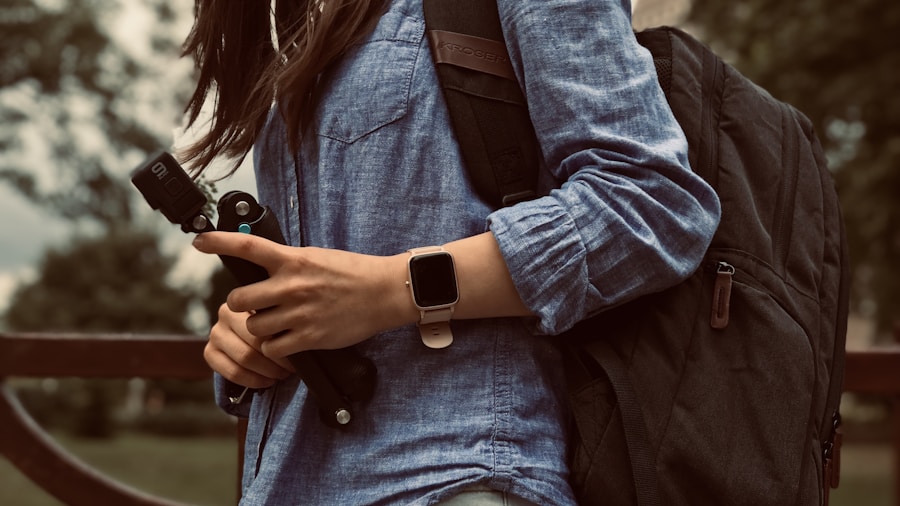
The core issue at the heart of this case is straightforward: wearable sleep trackers are not as accurate as overnight sleep studies conducted in medical facilities. A polysomnography test, which remains the gold standard for sleep measurement, involves extensive equipment and monitoring that wearables simply cannot replicate from your wrist or finger.
That said, most mainstream sleep trackers achieve around 79% agreement with polysomnography results. While that leaves a 21% margin of error, sleep experts argue this level of accuracy is still useful for most people. According to research and expert opinion, the healthiest way to view a sleep tracker is as a helpful guide rather than as a definitive report card on your sleep quality.
The real challenge emerges when trackers attempt to classify specific sleep stages, such as light sleep, deep sleep, and REM sleep. Breaking your night into these precise categories requires the device to correctly identify what your body is doing minute by minute, and this is where wearables struggle most. A growing number of alternative sleep monitoring technologies are emerging to compete in this space.
Should You Still Buy a Sleep Tracker?

Despite accuracy limitations, sleep trackers remain valuable tools for understanding your rest patterns. One significant advantage is comfort and convenience. Unlike medical sleep studies that require you to wear uncomfortable equipment while trying to sleep, wearable trackers are small and unobtrusive. Many users forget they’re even wearing them, which means your natural sleep behavior isn’t disrupted by the tracking itself.
Beyond nighttime monitoring, quality sleep trackers measure factors throughout the day that influence your sleep at night. Your daily activities build sleep pressure, your wake hours shape your natural circadian rhythm, and stress levels affect hormones like cortisol. By tracking these daytime factors, devices create a fuller picture of your sleep health. New technologies focused on sleep apnea detection are also advancing the field.
Perhaps most importantly, sleep trackers excel at identifying long-term trends rather than providing accurate readings on any single night. While a device might not pinpoint the exact moment you fell asleep, wearing it consistently reveals patterns over weeks and months. You can see whether your bedtime is drifting later, whether you’re waking more frequently, or whether changes to your routine are improving your rest. This trend data is remarkably useful for building better sleep habits.
How to Use Sleep Tracker Data Wisely
Experts recommend viewing your sleep tracker data as information that should complement how you actually feel, not override it. Don’t obsess over whether you got 85 or 91 minutes of deep sleep last night. Instead, focus on whether you’re consistently meeting your targets for deep sleep and whether you feel refreshed the next morning.
One of the biggest mistakes people make is treating sleep tracker data as an absolute judgment on sleep quality. The device is a tool for awareness and habit building, not a medical diagnosis. If you suspect you have insomnia, chronic sleep deprivation, or sleep apnea, consult a healthcare professional rather than relying solely on your tracker’s data. However, for general sleep monitoring and pattern recognition, combining tracking data with other sleep optimization strategies can help you rest better.
The lawsuit underscores an important consumer protection principle: manufacturers should be honest about what their products can and cannot do. At the same time, consumers should maintain realistic expectations about wearable technology. A sleep tracker that provides 79% accuracy is imperfect but still genuinely helpful for most people seeking to understand and improve their sleep patterns.











Write Your Review
No reviews yet. Be the first to share your experience!