

Late summer is the ideal window for gardeners to plant native flowers that will establish themselves and return year after year with minimal effort. August planting gives these species time to develop strong root systems before winter, setting them up for prolific blooming and natural reseeding in the seasons ahead. For shoppers focused on building a thriving pollinator garden, this timing makes a significant difference in long-term success and garden resilience.
Why August Matters for Pollinator Gardens
Planting self-seeding native flowers during August allows gardeners to create a sustainable landscape that supports bees, butterflies, hummingbirds, and other beneficial wildlife. When you allow these plants to mature and drop their seeds naturally, you eliminate the need for replanting every season. The spent flower heads that you leave on the plant through fall and winter also provide crucial food sources for birds and insects preparing for colder months, making this approach both ecological and practical.
The beauty of this strategy lies in its low-maintenance appeal. Once established, native plants adapted to your region thrive with minimal intervention. They require less water, fertilizer, and fussing than many ornamental alternatives. Built-in irrigation beds simplify summer gardening, but native self-seeding plants reduce even that burden further.
Top Self-Seeding Native Flowers to Plant Now
Tickseed (Coreopsis) produces cheerful, daisy-like yellow blooms that attract diverse bee and butterfly species. Lanceleaf coreopsis performs best in sunny, well-drained locations and readily disperses seeds if you skip deadheading. This plant thrives in gravelly or dry soils where other plants struggle, making it an excellent filler for challenging spots.
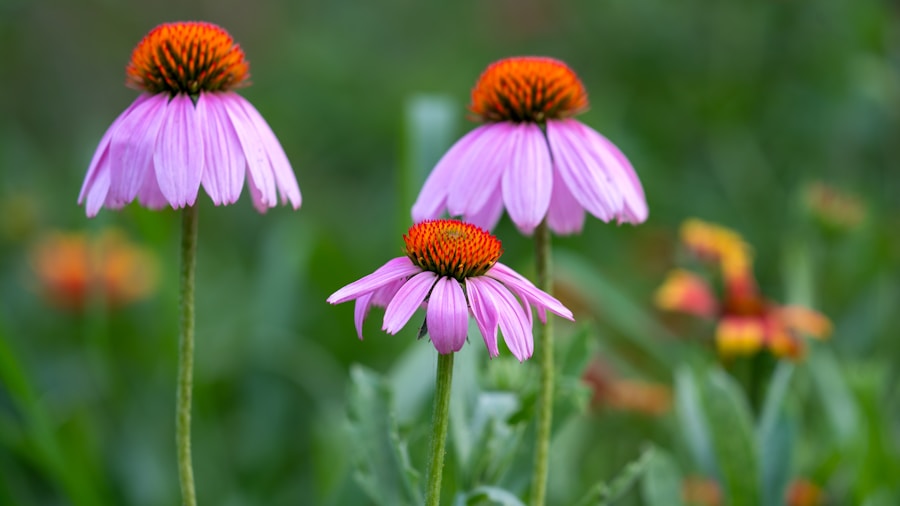
Coneflowers rank among the most reliable pollinator magnets available to home gardeners. The native perennial features distinctive blooms with backswept petals surrounding a central cone. Purple coneflower varieties grow two to four feet tall and produce viable seeds that generate identical plants when allowed to self-seed. Unlike hybrid varieties, true species coneflowers will reproduce faithfully from dropped seeds, delivering free plants season after season.
Black-eyed Susan (Rudbeckia) blooms prolifically from summer deep into fall, attracting bees, butterflies, moths, and predatory insects that control garden pests. These yellow or russet-toned flowers thrive in sunny spots with fertile, well-drained soil. If your garden has heavy clay, amending with organic matter before planting helps drainage. Once established, they tolerate drought beautifully and need water only during extended dry spells. Avoid cutting back plants until spring to allow natural self-seeding and provide winter wildlife shelter.
Milkweed serves a specialized but critical role: it is the sole food source for Monarch butterfly caterpillars. As Monarch populations have declined dramatically, gardeners who plant milkweed directly support species recovery. Over one hundred native species exist across zones three through nine. Swamp, common, and butterfly milkweed are the most reliable choices. Plant in a sunny spot and consider placement carefully, as milkweed self-seeds generously. Positioning it in a garden corner rather than the middle prevents unwanted spread while still allowing natural reproduction.
Bee Balm (Monarda) produces vivid tubular flowers in purple, pink, red, or white that attract hummingbirds alongside bees and butterflies. Once established, the perennial tolerates drought and requires minimal care. Amend your planting area with organic matter to balance moisture retention and drainage, as bee balm prefers conditions that are neither too wet nor too dry. The plant self-seeds freely but responds well to selective deadheading if you want to manage its spread.
Goldenrod (Solidago) blooms late in the season when few other flowers remain, providing critical nectar for migrating Monarchs and native bees. Tall stems reaching two to six feet create vertical interest in gardens. These drought-tolerant perennials need full sun and good drainage; excess fertility encourages weak, floppy stems. Mature plants self-seed readily and benefit from occasional division to prevent overcrowding.
Blue Vervain (Verbena hastata) naturally favors moist areas and grows four to six feet tall with attractive purple flower spikes. This native thrives in rain gardens and around ponds and streams. The vertical form adds structure to mixed plantings, and the plant works equally well in containers. While it self-seeds naturally, selective deadheading of some (not all) spent flowers keeps reseeding under control without preventing it entirely.
Planting Strategy and Ongoing Care
Calm garden plants for peaceful outdoor spaces include many of these same native species, so combining aesthetics with pollinator support is entirely feasible. Create visual interest and ensure year-round blooms by mixing plants with different flower colors, shapes, and bloom times. This diversity benefits both human enjoyment and visiting insects.
Beyond planting, successful pollinator gardens provide water and habitat. Allow leaf litter and spent stems to remain through winter, as they shelter beneficial insects and provide overwintering sites. Leave some portion of the garden unmulched or loosely mulched, as ground-nesting bees require bare soil or loose material.
Shoppers beginning their pollinator journey should start with two to three species and expand gradually. Begin with tickseed, coneflowers, or black-eyed Susans if you prefer foolproof performers. Add milkweed specifically to support Monarchs. As your confidence grows, experiment with bee balm, goldenrod, and vervain to extend the blooming season and deepen your landscape’s ecological value. Peak summer garden color without the fuss becomes achievable when native self-seeding plants form the foundation of your beds.
August planting delivers visible results within weeks and lasting benefits for years. This straightforward approach transforms yard maintenance from a seasonal chore into a rewarding long-term partnership with nature.







Write Your Review
No reviews yet. Be the first to share your experience!