

Samsung Closing Speaker Control App, Moving Features to SmartThings
Samsung has announced plans to shut down its Sound app on March 31, 2027, marking another step in the company’s ongoing effort to consolidate its smart home ecosystem. Users of the app, which launched earlier this year to manage Samsung soundbars and wireless speakers, will now need to transition their devices to the SmartThings platform where these features will eventually live.
The closure is part of Samsung’s broader strategy to create what the company describes as a “more convenient and unified experience” for its smart home customers. Rather than maintaining multiple standalone apps, Samsung is consolidating speaker and audio management into SmartThings, the company’s main hub for controlling connected devices. This shift reflects a larger trend in the smart home industry, where manufacturers are centralizing control through single platforms to reduce user confusion and streamline functionality.
How This Affects Current Samsung Sound Users
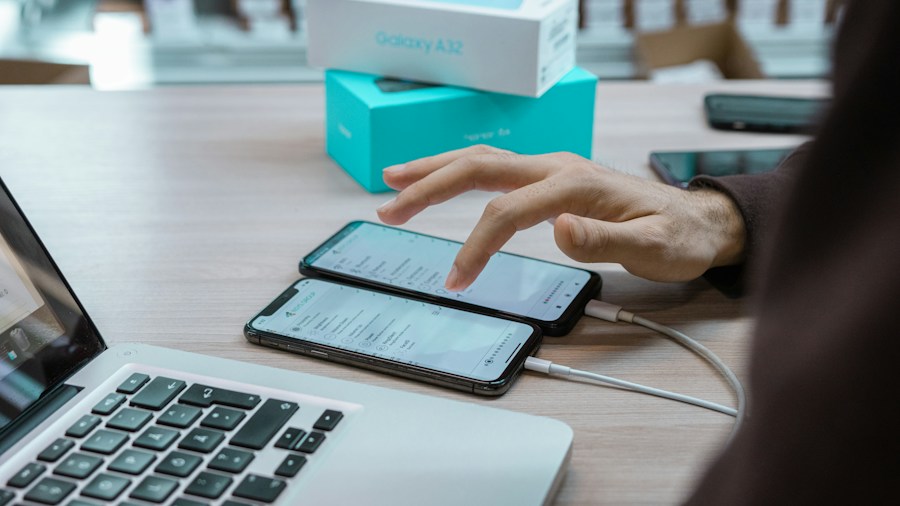
If you currently use the Samsung Sound app to control your speakers, the transition process is straightforward but requires action before the March 2027 deadline. Samsung has already begun displaying in-app notifications instructing users to register their sound devices in the SmartThings app to maintain access to their existing settings and preferences.
The company is giving users plenty of advance notice, approximately 15 months from the announcement date, which allows time to migrate without losing access. However, waiting until closer to the deadline could result in service disruptions, so Samsung encourages early adoption. The Sound app features, including speaker management and audio control, will continue functioning within SmartThings, ensuring that existing users won’t lose their ability to manage these devices.
Part of a Larger App Consolidation Trend
This closure is not an isolated incident but rather part of a broader consolidation strategy at Samsung. Throughout 2026, the company has shuttered multiple applications as part of what appears to be intentional streamlining. In July 2026, Samsung Messages was discontinued, with users migrated to Google Messages. Later that same year, Samsung announced the discontinuation of the Quick Measure and AR Doodle apps, though the company indicated plans to reintroduce improved versions of these tools in the future.
Samsung’s approach appears focused on eliminating redundancy and directing users toward core platforms that offer integrated experiences. Rather than abandoning functionality entirely, the company typically transfers features to more comprehensive ecosystems, similar to how Sound’s capabilities are moving into SmartThings. This strategy, while potentially disruptive in the short term, often results in better-integrated experiences and clearer user interfaces across multiple device types.
What This Means for Your Smart Home Setup

For shoppers evaluating smart home investments, Samsung’s consolidation strategy offers both advantages and considerations. On the positive side, having speaker control integrated into a unified SmartThings platform means fewer apps to manage and potentially more seamless automation routines that combine multiple device types. Integration across platforms has become increasingly important as smart homes grow more complex, and consolidation can simplify that experience.
However, the pattern of app closures also suggests that Samsung may discontinue products or services more frequently than some competing manufacturers. If you rely heavily on specific Samsung apps, staying informed about the company’s official announcements becomes important for maintaining continuity in your smart home setup.
Preparing for the Transition
Users who want to get ahead of this transition should take action now rather than waiting until the deadline approaches. The process of registering devices in SmartThings is designed to be user-friendly, and doing so early allows time to test that all your settings transferred correctly. Before the March 2027 cutoff, verify that your soundbars and speakers function properly within SmartThings and that any automation routines or preferences you’ve created are working as expected.
For those shopping for new smart speakers or soundbars, this announcement suggests that Samsung is positioning SmartThings as its primary control hub. Understanding this direction can help inform purchasing decisions about which ecosystem to invest in. Smart home ecosystems continue evolving, and choosing platforms with clear consolidation strategies often provides longer-term stability than fragmented app collections.
Samsung’s Sound app shutdown, while requiring action from existing users, reflects the company’s commitment to building a more cohesive smart home experience. By consolidating features into SmartThings, Samsung aims to eliminate app confusion and create a more streamlined path for controlling wireless speakers alongside other smart home devices.











Write Your Review
No reviews yet. Be the first to share your experience!