

Major Shift Toward Low-GWP Refrigerants Is Reshaping the Cooling Industry
The cooling systems that keep supermarket shelves stocked and homes comfortable are undergoing a significant transformation. Industry leaders and manufacturers are moving away from older refrigerants and embracing low-GWP (Global Warming Potential) alternatives, driven by regulatory pressure and environmental concerns. Understanding these changes matters for shoppers and homeowners because they affect product availability, service costs, and the long-term reliability of cooling equipment.
CO2 Refrigerant Emerges as the Industry Standard
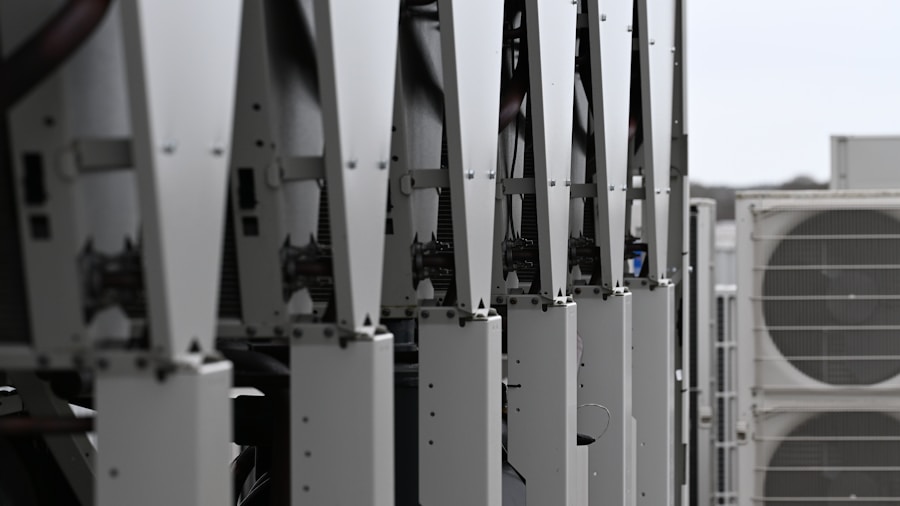
Carbon dioxide, known as R-744 in refrigeration circles, is rapidly becoming the refrigerant of choice for supermarket operators and commercial users. Unlike older synthetic refrigerants that contribute to global warming, CO2 offers an ultra-low GWP rating and is completely nonflammable. Industry experts predict that CO2 will shape the future of supermarket refrigeration for the next decade and beyond.
The shift to CO2 is not just an environmental choice: it protects retailers and homeowners from future regulatory restrictions. HFC refrigerants, which were once considered the modern alternative to ozone-damaging CFCs, are now facing supply constraints and potential phase-outs. A2L and other bridge technologies may serve as temporary solutions, but experts warn against investing heavily in refrigerants that could become obsolete within five to ten years.
What This Means for Your Grocery Bills and Energy Costs
Refrigeration accounts for nearly 40% of a typical supermarket’s total energy consumption. As retailers transition to CO2 systems and other low-GWP alternatives, many are also upgrading to smarter, more efficient equipment. This investment can lead to lower operational costs for stores, which may eventually benefit shoppers through more stable prices on perishable goods.
The modernization also includes distributed cooling architectures: smaller, modular units instead of one massive central system. These mini-racks give retailers flexibility to upgrade their systems gradually, store by store, rather than shutting down entire cooler sections for overhauls. The result is better product availability and fewer disruptions to your shopping experience.
Artificial Intelligence and Advanced Controls Are Now Standard
Beyond refrigerant chemistry, the cooling industry is embracing artificial intelligence and predictive software. Leak detection, remote monitoring, and AI-driven maintenance tools are transitioning from premium features to standard equipment. These technologies help service teams diagnose problems before refrigerant leaks cause product loss or trigger expensive after-hours emergency calls.
For shoppers, this means more reliable refrigeration in stores and reduced waste. California and other states have already tightened reclaimed refrigerant standards, reflecting the industry’s broader focus on preventing leaks and managing refrigerant properly throughout its lifecycle.
Mixed Refrigerant Strategies Will Continue

While CO2 is gaining dominance, the industry will not settle on a single solution. Different retailers prioritize different goals: some pursue aggressive sustainability targets, while others focus on regulatory compliance and maintaining operations. This means the next five to ten years will see a mix of technologies including transcritical CO2 systems, cascade systems, hydrocarbon refrigerants, HFC/HFO blends, and distributed architectures.
The fragmented approach reflects real-world complexity. Older stores may retrofit their existing systems with distributed CO2 units rather than replacing everything at once. Newer facilities will likely be built with CO2 from the start. R-410A supply remains adequate today, but critical changes are expected by 2029, so contractors recommend planning ahead rather than waiting for the last minute.
What Homeowners Should Do Now
If you own a home air conditioning or refrigeration unit that uses older refrigerants, pay attention to its maintenance schedule. Well-maintained systems are less likely to leak, and catching problems early prevents costly downtime. When your system reaches the end of its life, expect your contractor to recommend modern alternatives with lower environmental impact.
The transition to low-GWP refrigerants is not an overnight revolution: it is a managed shift that will continue over the next decade. By staying informed about refrigerant regulations and the technologies driving industry change, you can make smarter decisions about replacing or upgrading your cooling equipment when the time comes.











Write Your Review
No reviews yet. Be the first to share your experience!