

What You Need to Know About R-410A Refrigerant Availability
The HVAC industry is undergoing a major shift, and if you own an air conditioning or heat pump system, this transition could affect your future service options and costs. The good news: R-410A refrigerant remains abundant and affordable right now. The challenging news: supplies will tighten significantly over the next few years, and homeowners with existing systems need to understand what’s coming.
The Current Market Has Plenty of R-410A
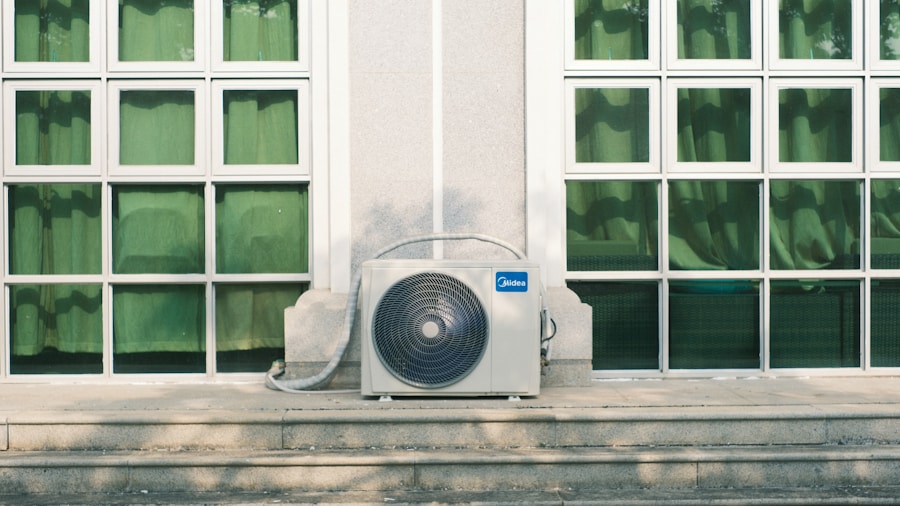
As of this year, contractors and distributors report healthy stockpiles of R-410A refrigerant. Nearly 80 percent of major HVAC distributors say their R-410A inventory levels meet or exceed their targets. This abundance means repair technicians can service your existing air conditioning or heat pump system without delays or unexpected price spikes. Technicians across the country are reporting ample supplies at reasonable prices, so if you need refrigerant service, now is a stable time to schedule it.
The availability comes partly from ongoing imports and domestic blending operations that continue to supply virgin R-410A even though manufacturers stopped producing new R-410A equipment on January 1, 2025. In fact, industry observers describe the current market as having a significant oversupply of virgin R-410A.
New Systems Have Already Moved to Lower-Impact Refrigerants
The transition away from R-410A has been swift and nearly complete. As of mid-2025, roughly 99 percent of new ducted air conditioning and heat pump sales use A2L refrigerants such as R-32 or R-454B. These newer refrigerants have a much lower global warming potential, which is why the phasedown occurred. The market transition has been smoother than many anticipated, with consistent adoption across all U.S. regions. When you purchase a new HVAC system, you’ll receive equipment charged with one of these newer refrigerants from the factory.
The Real Challenge Arrives in 2029
This is where the picture darkens for homeowners with existing R-410A systems. Beginning in 2029, the U.S. government will reduce allowable HFC production to just 30 percent of baseline levels. Since manufacturers will prioritize supplies for new equipment using these lower-impact refrigerants, the amount of R-410A available for servicing older systems will shrink dramatically. Prices are expected to rise as supplies become constrained and demand remains steady from the millions of installed R-410A systems still in operation.
The timing matters enormously. Every pound of refrigerant that leaks or gets improperly vented from a system today is a pound that cannot be recovered and reused later. Technicians emphasize that proper maintenance and prompt repair of leaks become increasingly important as we approach the 2029 deadline.
Recovery and Reclamation Will Become Essential
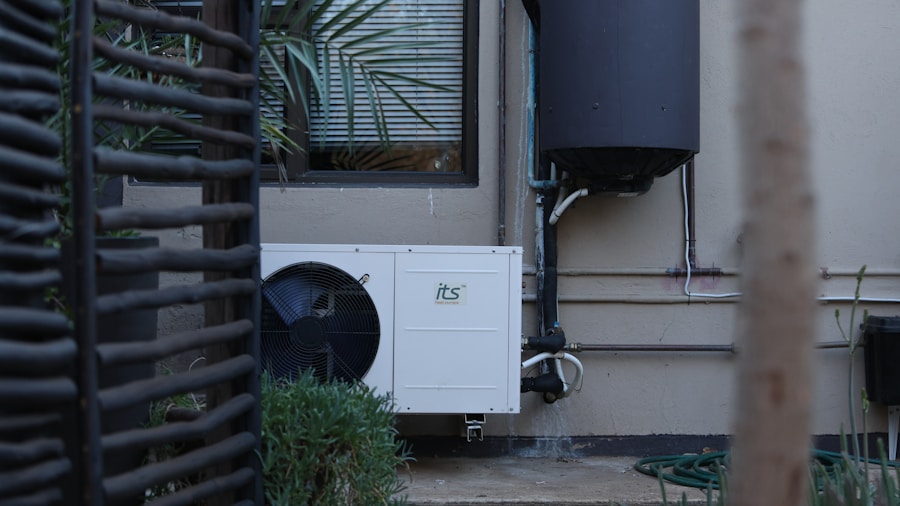
The industry’s long-term solution depends on recycling refrigerant from old systems being replaced or retired. When an aging air conditioning system reaches the end of its life, the refrigerant can be recovered, cleaned, and reclaimed for use in servicing other units. Right now, the industry is working to expand reclamation infrastructure and capabilities. For homeowners, this means the value of older systems will potentially increase as sources for serviceable refrigerant become more limited.
What Shoppers Should Do Now
If you have an R-410A system currently operating without problems, maintain it properly. Keep filters clean, have it serviced annually by a qualified technician, and address any refrigerant leaks immediately. These steps prevent unnecessary loss of refrigerant and preserve options for future service.
When shopping for replacement equipment, understand that modern systems like multi-zone mini-split systems using A2L refrigerants will have better long-term serviceability and lower environmental impact. While supplies of R-410A for servicing remain stable through 2028, planning ahead for eventual replacement gives you flexibility to choose optimal equipment before supply constraints worsen.
The HVAC industry is managing this transition thoughtfully, but the window for inexpensive service of R-410A equipment is gradually closing. Understanding this timeline helps you make informed decisions about maintenance, repair, and eventual replacement of your heating and cooling system.










Write Your Review
No reviews yet. Be the first to share your experience!