

A groundbreaking furniture design method is reshaping how manufacturers think about metal pieces, and the implications for home shoppers are starting to emerge. At Amman Design Week 2026, Jordanian designer Sarah Naghawi unveiled the JAWF collection, a series of stainless steel furnishings created through an unconventional hydromechanical forming process that fundamentally changes what sheet metal can become.
How Pressure Creates Volume in Metal Furniture
Traditional metal furniture relies on welding, bolting, or riveting separate pieces together to create depth and interior space. The JAWF collection takes a different path. Instead of assembling flat sheets into a frame, Naghawi uses hydraulic fluid pressure to deform the metal after welding initial sheet assemblies. The pressure literally pushes the steel outward and inward, creating bulges, creases, and recessed cavities all within a single deformed surface.
Think of it as the principle of a balloon, but permanent. Once the hydraulic pressure is released, the steel retains its new shape indefinitely. The result is furniture that appears soft and pillowy despite being entirely rigid metal. Surfaces curve, compress, and hollow in ways that make stainless steel look almost squeezable, creating a visual tension between material and form that catches the eye.
The Interior Space as Design Feature
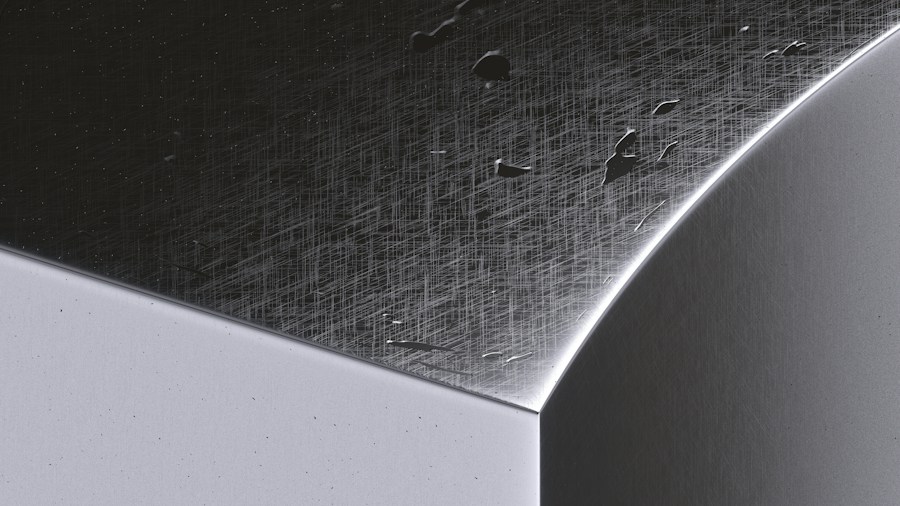
The name JAWF derives from an Arabic word meaning inner chamber or protected cavity, and this interior space is central to Naghawi’s design philosophy. Rather than treating recesses as accidental byproducts of the forming process, the designer positions them as intentional design elements. These cavities suggest possibilities for storage, display, and functional use, moving the collection beyond pure sculptural experimentation.
The reflective steel surface amplifies this complexity. Light bounces across the deformed planes, making some edges sharp and defined while others blur into shadow. In person and in photographs, the pieces sit somewhere between functional furniture and oversized crumpled metal foil, which lends them an approachable, almost tactile quality that polished metal often lacks.
When shopping for innovative furniture pieces, understanding the material story behind them matters. The JAWF collection makes the fabrication process visible on every surface, letting buyers read the history of pressure and deformation directly into the object itself.
What This Means for Furniture Development
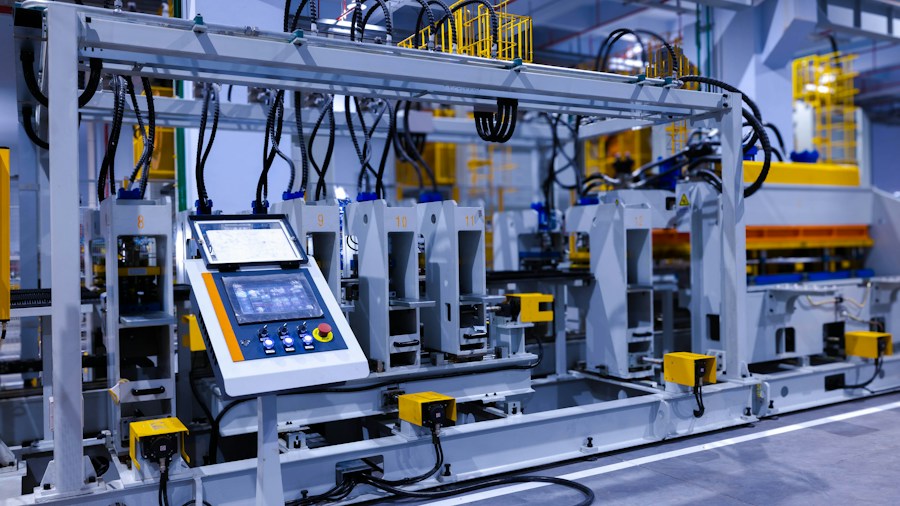
The JAWF collection represents a significant shift in how designers approach material limitations. Sheet metal has long been constrained by its flatness. Creating interior volume traditionally required assembly or structural framework. Hydromechanical forming opens new possibilities for creating sculptural, functional pieces with minimal visible joints and a unified material expression.
Current trends in home design increasingly favor statement pieces that balance artistic vision with practical use. Naghawi’s work demonstrates how advanced manufacturing can blur that line without sacrificing either quality. As furniture shoppers become more interested in how things are made, processes like this become part of the appeal.
Similar material innovation is appearing across the furniture industry. From smart storage solutions to modular seating systems, manufacturers are reconsidering how traditional materials can be engineered to serve modern needs. The JAWF collection adds pressure forming to that growing toolkit.
Practical Considerations for Buyers
While the JAWF collection demonstrates compelling technical achievement, potential buyers should approach with realistic expectations. A striking recess does not automatically translate to convenient storage, and an expressive curved surface does not establish how comfortably a piece integrates into everyday living. Questions about dimensions, weight, pricing, and actual usability still require answers before considering these pieces as standard furniture recommendations.
The collection currently exists primarily as an exhibition showcase. The next development phase would involve scaling production and refining proportions to ensure the functional appeal matches the material innovation. For shoppers intrigued by avant garde design approaches, the JAWF collection signals where furniture manufacturing is headed. For those prioritizing immediate functionality, this work remains valuable for inspiration rather than purchase.
The broader takeaway extends beyond any single collection. As furniture trends continue evolving, material exploration and manufacturing innovation are becoming central to design. Understanding these processes helps shoppers make informed choices about which pieces truly align with their needs and values, whether they prioritize artistic expression, functional performance, or both.







Write Your Review
No reviews yet. Be the first to share your experience!