

Home Depot’s retail shelf space for power tools is becoming increasingly competitive, and Makita’s position at the retailer may be shifting. Industry observers have noticed that Makita, once a prominent fixture in the big-box home improvement market, is losing ground to newer competitors vying for the same valuable real estate. This development carries significant implications for DIY shoppers and professionals who rely on Home Depot as their primary tool destination.
What’s Happening to Makita at Home Depot
Several signs suggest Makita’s presence at Home Depot is becoming strained. Recent Black Friday and holiday promotional offerings have featured noticeably fewer Makita deals compared to other major brands like Milwaukee and DeWalt. In many stores, Makita storage products such as MakTrak boxes have sat on shelves with minimal movement, indicating sluggish sales performance. More telling still, some Home Depot locations have been actively clearing out older Makita XGT cordless power tool inventory, signaling a potential shift in purchasing patterns.
Makita’s current market position at Home Depot appears precarious for one fundamental reason: the brand may not be driving the foot traffic that major retailers require to justify premium shelf space. While Makita tools maintain strong reputations for durability and professional-grade quality, they face an uphill battle competing with brands that offer more aggressive pricing, frequent promotions, and broader marketing visibility. Home Depot wants shoppers to choose their stores over competitors like Lowe’s and Amazon, which means every brand must contribute meaningfully to in-store traffic and sales volume.
Flex and the Quest for National Retail Presence

Flex, a cordless power tool brand owned by Chervon, is actively seeking expanded retail distribution. After being removed from Lowe’s stores, Flex has struggled to maintain a strong national presence. The brand has attempted online retail channels and limited partnerships, but industry insiders agree that Flex needs shelf space in major big-box retailers to grow significantly. Recent leadership changes at Chervon, including the appointment of Joseph Galli Jr., have signaled renewed commitment to establishing Flex as a mainstream competitor in North America, following Galli’s successful track record building Milwaukee Tool and Ryobi into category leaders.
Flex has been quietly developing new tools and accessories, including specialty offerings in drywall and masonry work. However, without the visibility and promotional support that come with major retail placement, the brand remains relatively unknown to average DIY shoppers. Makita’s recent focus on storage solutions like new MakTrak boxes shows the company is still innovating, but innovation alone does not guarantee shelf space in an increasingly crowded market.
What This Could Mean for Shoppers
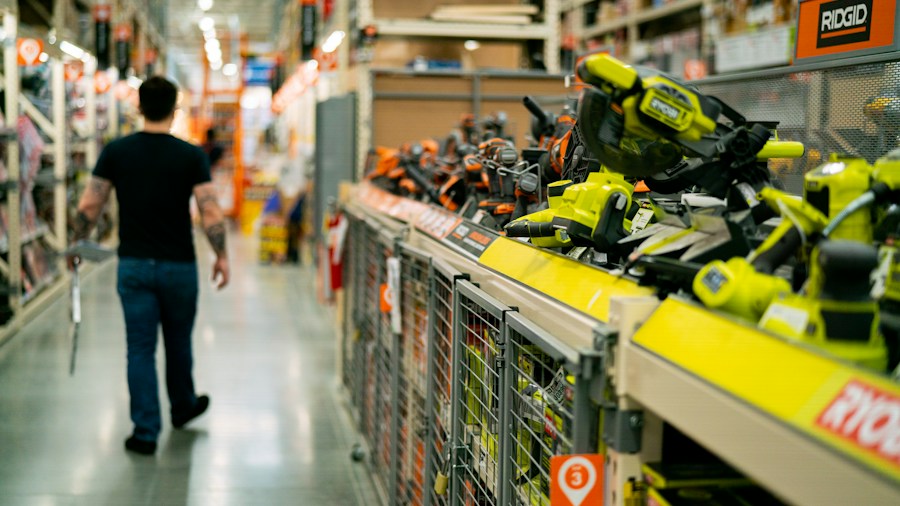
If Flex were to gain significant shelf space at Home Depot, potentially at Makita’s expense, the consumer experience could change in several ways. First, shoppers would have access to a different brand philosophy: Flex emphasizes compact design and advanced technology, whereas Makita prioritizes durability and repairability. Makita has built a loyal following among professionals and serious DIYers who value longevity and serviceability, qualities that may not be as heavily promoted by other brands competing for the same shelf space.
Secondly, retail consolidation means fewer options for consumers. The expansion of MakTrak tool box offerings reflects Makita’s attempt to maintain relevance, but physical shelf space is finite. If Home Depot chooses to reduce Makita inventory and allocate that space to Flex or other brands, Makita users will face reduced selection and potentially higher prices through alternative channels like independent dealers or specialty retailers.
Price and promotion strategies would likely shift as well. If Flex secures Home Depot placement, Chervon would need to invest heavily in promotional activity to drive awareness and sales. This could mean aggressive holiday deals and frequent discounts on Flex tools, which might appeal to budget-conscious shoppers but could also signal quality uncertainty to professional users.
The Bigger Picture
Home Depot currently balances multiple power tool brands including Milwaukee, DeWalt, Ryobi, Ridgid, and Makita. Adding Flex without removing another brand would overcrowd shelves and dilute brand presence. The retailer must decide whether Makita’s current performance justifies its allocation of premium floor space. Makita continues releasing compact tools like new impact drivers, but visibility and promotional frequency remain crucial factors in retail success.
For now, Makita maintains its position at Home Depot, but without increased investment in promotions and customer engagement, the company’s shelf space could continue to contract. Shoppers who favor Makita tools should monitor availability at their local stores and consider whether alternative retailers might become necessary for future purchases. The power tool market remains dynamic, and retail relationships that seemed permanent just years ago can shift rapidly based on performance metrics and vendor relationships.








Write Your Review
No reviews yet. Be the first to share your experience!