

Fitbit Air vs Oura Ring 5: Which Sleep Tracker Wins for Buyers in 2024
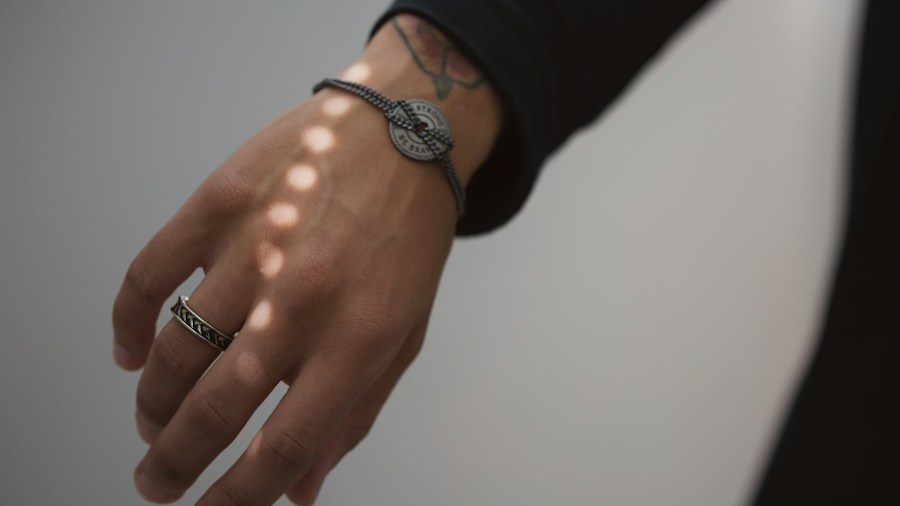
The sleep tracker market has shifted dramatically in recent years, moving away from bulky smartwatches toward sleek, screenless wearables designed for comfort and discretion. Two standout options now dominate this category: the Fitbit Air, a slim wristband priced at $99.99, and the Oura Ring 5, a smart ring starting at $399. For shoppers trying to choose between them, understanding the real differences in price, comfort, tracking capabilities, and app experience is essential before investing.
Price and Subscription Costs Tell Different Stories
The most immediate difference between these two sleep trackers is cost. The Fitbit Air enters the market as an exceptionally affordable option at $99.99 with no mandatory subscription required. You can access all standard tracking metrics, including sleep stages and duration, without paying a dime. Fitbit does offer Google Health Premium at $9.99 monthly for an AI-powered health coach and expanded resources, but this is optional.
The Oura Ring 5 takes the premium route. At $399, it ranks among the priciest sleep trackers available, comparable to devices like the Apple Watch 12. Additionally, a subscription is required, costing $5.99 per month to use the Oura app and access your data. For budget-conscious shoppers, this represents a significant ongoing commitment beyond the initial purchase.
Design and Comfort: Which Feels Better at Night
Both devices pursue screenless design but in entirely different forms. The Fitbit Air is a wristband with an adjustable strap and central sensor, offering the lightest profile Fitbit makes. Most wearers find it comfortable, though some report occasional impressions on the wrist after rolling onto their arm during sleep.
The Oura Ring 5 wins decisively on comfort for nighttime wear. Its thin profile means it feels like ordinary jewelry and doesn’t disturb sleep. Users report months of wear without any soreness or morning impressions. One caveat: proper sizing is critical. Oura provides free sizing kits, but finger swelling can vary seasonally, potentially requiring a refitting.
Battery life favors both: Fitbit Air lasts up to 7 days while the Oura Ring 5 runs 6-9 days. However, without screens on either device, you must establish regular charging routines to avoid missing tracking data.
Sleep Tracking: Where These Devices Diverge
Both trackers collect essential sleep data: heart rate, movement, temperature, and sleep stage duration. Both calculate an overall sleep score and deliver accuracy levels that most users find reliable. However, the Oura Ring 5 offers considerably more depth in what it tracks and how it presents the information.
The Oura Ring excels at detecting brief wake-ups that many trackers miss. More importantly, it bundles all relevant metrics into a single, easy-to-scan view showing movement, heart rate, and heart rate variability simultaneously. The Fitbit Air collects this data but requires more navigation to view it. If you want advanced insights, understanding what sleep tracker data actually means and its limitations becomes crucial for making informed decisions.
Where Oura truly distinguishes itself is through sleep debt tracking and body clock optimization. The app analyzes your chronotype to suggest your ideal sleep window and compares it to your actual patterns. This actionable intelligence can materially improve sleep quality. The Fitbit Air doesn’t offer these features, focusing instead on straightforward tracking without behavioral insights.
Daily Fitness Tracking Capabilities
Both devices can be worn all day, but they perform differently in fitness metrics. The Fitbit Air edges out the Oura Ring 5 for step counting accuracy. For calorie tracking, they’re roughly equivalent, though experts recommend taking readings with some skepticism as estimates at best.
The Fitbit Air displays fitness progress as clear percentages, making it easier to see where you stand with weekly cardio or activity goals. The Oura Ring 5 offers an advantage in women’s health tracking through its dedicated menstrual cycle tab with readable metrics. For hands-on activities like weightlifting, the Fitbit Air is more practical since a $399 ring invites more caution during workouts.
App Experience: Navigating Your Data
The Fitbit Air uses Google’s Health app, while the Oura Ring 5 has its own dedicated smartphone application. Both apps are information-dense with dedicated sections for sleep and fitness, though each adds unique elements: Google Health emphasizes fitness clarity, while Oura includes stress, readiness, and cycle tabs.
Neither app is immediately intuitive. Both present a learning curve for new users. However, both successfully balance quick, at-a-glance statistics with deeper analytical views. The Fitbit app excels at delivering instant clarity, while Oura breaks down complex data more systematically.
Which Sleep Tracker Should You Buy
For most shoppers, the answer depends on budget and priorities. If detailed sleep insights, maximum comfort, and sleep optimization features justify a higher price, the Oura Ring 5 delivers. Its actionable data and non-intrusive design make it compelling for serious sleep enthusiasts. Additionally, alternative non-wearable tracking methods continue to emerge, so consider whether a wearable is truly necessary for your needs.
However, the Fitbit Air represents exceptional value. At $99.99 with no subscription requirement, it delivers solid sleep and fitness tracking without financial commitment beyond the initial purchase. This makes it ideal for buyers wanting accurate data without premium pricing.
The sleep tracker market has matured enough that both devices work. Your choice comes down to whether you prioritize affordability and simplicity or advanced metrics and ultimate comfort.












Write Your Review
No reviews yet. Be the first to share your experience!