

Daikin Comfort Technologies has announced a second major recall of Amana-branded window and through-the-wall air conditioners, marking the latest in a series of safety concerns affecting the brand. The September recall follows an earlier recall issued in June, with both actions centered on serious fire hazards that could put homeowners at risk.
Two Separate Recalls, Two Different Fire Risks
The June recall involved approximately 13,514 units sold in the United States and 53 units in Canada. These models contained a heating element that could remain energized during a ground fault even when switched off, creating a potential fire hazard. The units used R32 refrigerant and were sold between April and December 2025. While the company received one report of plastic melting on an affected unit, no injuries were reported at that time.
The September recall is distinct and involves about 4,633 units in the USA and 126 units in Canada. This second group of through-the-wall air conditioners and heat pumps were manufactured with a snubber circuit that could emit flames during an electrical short circuit. These units were distributed from April 2025 through June 2026. Daikin has received reports of two such incidents, though again no injuries have been documented.
Combined, the two recalls affect roughly 18,000 products across both countries. Both groups of units were manufactured in India.
History of Safety Issues with Amana Units
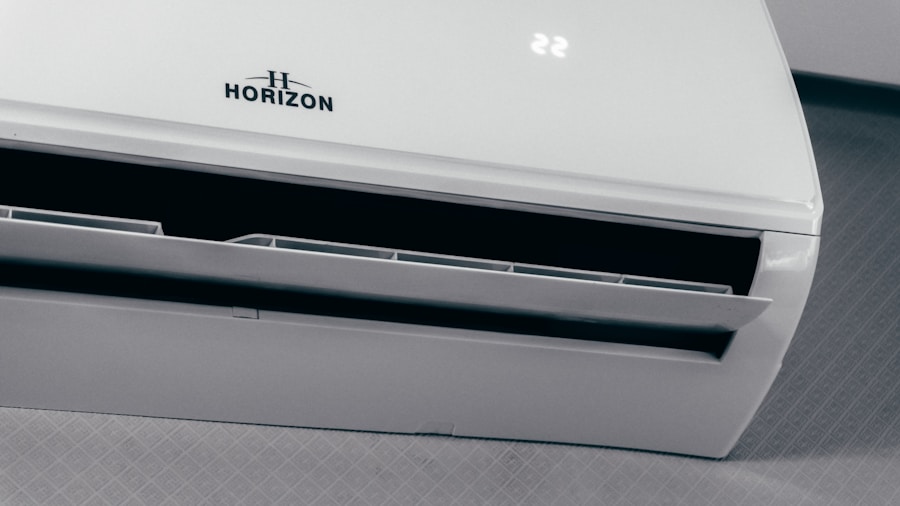
These recalls are not the first time Amana air conditioning products have faced serious safety scrutiny. In 2023, Daikin recalled over 60,000 packaged terminal air conditioners and heat pumps due to overheating and fire concerns. The company subsequently agreed to pay an 8.5 million dollar civil penalty for failing to promptly report that these units could overheat. Federal investigators found that Daikin had received multiple warranty claims dating back to 2017, along with over a dozen fire reports and at least one injury related to smoke inhalation.
The pattern of recalls suggests ongoing manufacturing or quality control challenges with this product line, raising questions about reliability for consumers considering air conditioning purchases.
What This Means for Shoppers
If you own an Amana window or through-the-wall air conditioner or heat pump purchased during the timeframes mentioned, check whether your model falls within the recall scope. The U.S. Consumer Product Safety Commission and Health Canada have published detailed model numbers and serial number ranges affected by each recall on their official websites.
The good news is that Daikin is offering full refunds for all recalled units. Consumers should not attempt to continue operating a recalled unit if their model is affected. The company has established processes to handle refunds through the distribution channels where the products were originally sold.
When shopping for replacement cooling systems, consider exploring energy-efficient air conditioning options from manufacturers with strong safety track records. Additionally, understanding different refrigerant types, such as R-410A refrigerant supply considerations, can help you make a more informed decision about future purchases.
Steps to Take Now
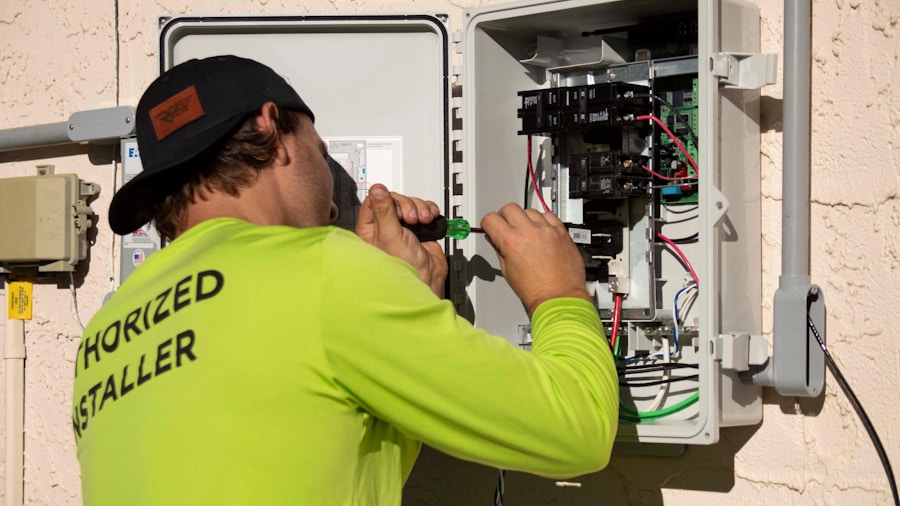
First, verify your air conditioner model number and serial number against the official recall lists published by the CPSC and Health Canada. You can find this information on your unit or original purchase documentation. If your model is affected, contact the retailer or distributor where you purchased the unit to begin the refund process.
Do not ignore the recall notice if your unit is affected. Fire hazards in air conditioning equipment represent a genuine safety risk to your home and family. The incidents already reported to the manufacturer demonstrate that these are not theoretical concerns.
For those in the market for new air conditioning solutions, smart air conditioner technology now offers improved monitoring capabilities that can alert you to operational issues before they become problems. Modern units also feature better built-in safety systems compared to older designs.
Looking Ahead
These consecutive recalls underscore the importance of monitoring product safety announcements and acting promptly when your equipment is affected. Register your appliances when you purchase them so that manufacturers can contact you directly about safety recalls if necessary.
The cooling season is when air conditioning units work hardest, making spring and early summer critical times to ensure your equipment is functioning safely. If you have an Amana unit in your home, take a few minutes today to check whether it is part of either recall. Your safety is worth the effort.









Write Your Review
No reviews yet. Be the first to share your experience!