

As November arrives, gardeners across the United States face an important decision: which outdoor plants need to come indoors to survive the winter ahead. If you’re a plant lover looking to protect your tender specimens and add greenery to your living spaces, understanding which plants require indoor overwintering and how to transition them successfully is essential.
Why November Is the Critical Month for Moving Plants Indoors
November marks the final window before hard frosts arrive in most regions. Tender plants that thrive in warm conditions simply cannot survive freezing temperatures outdoors, making this month the ideal time to assess your garden and prepare for the seasonal shift. The transition requires planning, as different plants have varying needs for light, water, and humidity once indoors.
Tropical Foliage Plants Worth Protecting

Elephant ears, also known as colocasia or taro, are dramatic tropical perennials that can reach heights of 2 to 6 feet depending on the variety. Their signature heart-shaped leaves come in rich green, deep purple, or near-black tones, making them eye-catching additions to any indoor space. While these plants thrive outdoors year-round in USDA Zones 8 through 11, gardeners in colder regions must dig them up and pot them for winter storage.
Boston ferns offer another excellent option for indoor overwintering. These lush, elegant plants need to come inside anywhere outside USDA Zones 9 through 11. Once indoors, they require consistent moisture, bright lighting away from direct heat sources, and high humidity, which you can provide by placing the pot on a tray of pebbles and water. When properly cared for, they deliver months of greenery during bleak winter months.
Flowering and Foliage Plants for Winter Interest
Pelargoniums, commonly but incorrectly called geraniums, are frost-tender perennials that bring valuable color and sometimes fragrance indoors through winter. These plants need abundant bright, direct sunlight and should be positioned away from heating vents and cold drafts. They perform especially well near south or west-facing windows and can bloom continuously throughout the season with proper care.
Coleus plants are prized for their vibrant, patterned foliage rather than flowers. If temperatures in your area dip below 50 degrees Fahrenheit in winter, bringing coleus indoors is necessary to keep them alive until spring returns. Before moving them inside, trim them back by up to half their growth and remove all flower spikes, then allow them to acclimate in a sheltered outdoor spot for a few days. Preventing houseplant leaf drop in fall and winter starts with this careful transition process.
Citrus Trees and Succulents
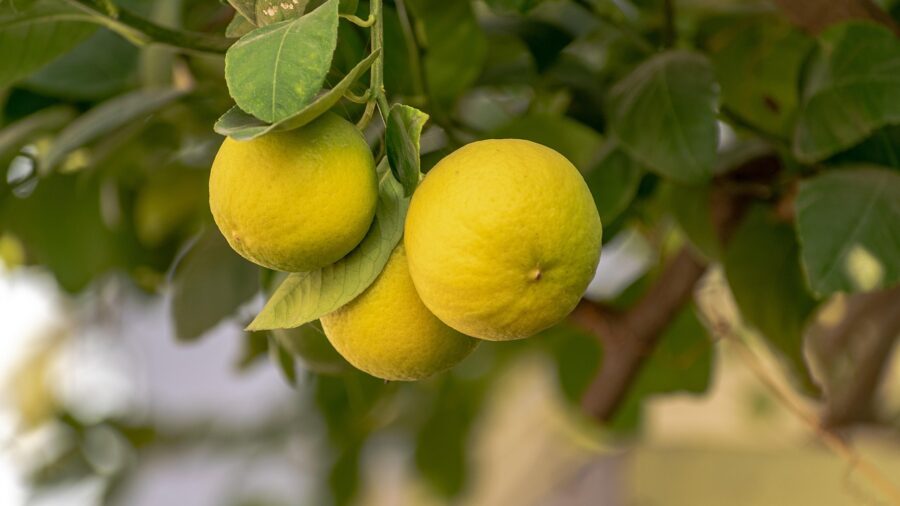
Citrus trees demand a cool but bright location indoors, ideally in a conservatory or beside a south or west-facing window in an unheated room. These plants are notoriously fussy about cold and wet conditions, refusing to tolerate outdoor winter exposure anywhere outside USDA Zones 9 through 11. Water them sparingly with room-temperature rainwater, and mist regularly to support pollination and overall health.
Succulents like house leeks, echeveria, and aloe can tolerate temperatures as low as 42 degrees Fahrenheit but suffer from prolonged wet weather. Moving them indoors protects them from moisture damage while keeping them accessible for winter display. Place succulents in bright, sunny windowsills and water only when the soil is completely dry. Winter heat damage from indoor radiators and vents is a concern for all tender plants, so position them away from these sources.
Essential Preparation Steps Before Moving Plants Inside
Before any plant crosses the threshold into your home, inspect it thoroughly for pests and diseases. Check stems, leaves, and undersides for insects, and treat with insecticidal soap or neem oil if needed. Remove all dead leaves, decaying foliage, and old flower spikes. This hygiene step prevents introducing problems to your indoor plant collection.
For plants currently in ground, dig them up carefully and repot in fresh, well-draining potting compost. Use a large container to give roots adequate space. Some houseplants actually thrive when slightly root-bound, but tender specimens appreciate room to establish themselves indoors.
Indoor Care Tips for Winter Success
Once inside, most tender plants require bright, indirect light and cool temperatures away from heating vents and cold drafts. Watering should be conservative, allowing soil to dry between waterings, since indoor conditions reduce evaporation. Increase humidity by using pebble trays or regular misting, particularly for tropical plants accustomed to warm, moist environments.
Rotate plants regularly to ensure even growth, and monitor them weekly for signs of stress or new pest activity. With proper preparation and consistent care, your moved plants will thrive indoors and reward you with months of beauty before returning to the garden in spring.












Write Your Review
No reviews yet. Be the first to share your experience!