

Upcycled Pan Pendant Lights Emerge as Budget Friendly Decor Solution
A creative upcycling trend is gaining momentum among homeowners looking to add unique lighting fixtures to their spaces without breaking the bank. Instead of discarding worn out cookware, resourceful decorators are transforming old frying pans into custom pendant lights that serve as functional art pieces. This DIY movement offers an affordable alternative to purchasing mass produced fixtures while giving discarded kitchen items a second life.
The trend stems from accessible online tutorials showing homeowners exactly how to convert damaged or outdated pans into hanging light fixtures. What makes this approach appealing to consumers is the combination of sustainability and personalization, allowing each creator to design a one of a kind piece that reflects their style and aesthetic preferences.
How the DIY Process Works
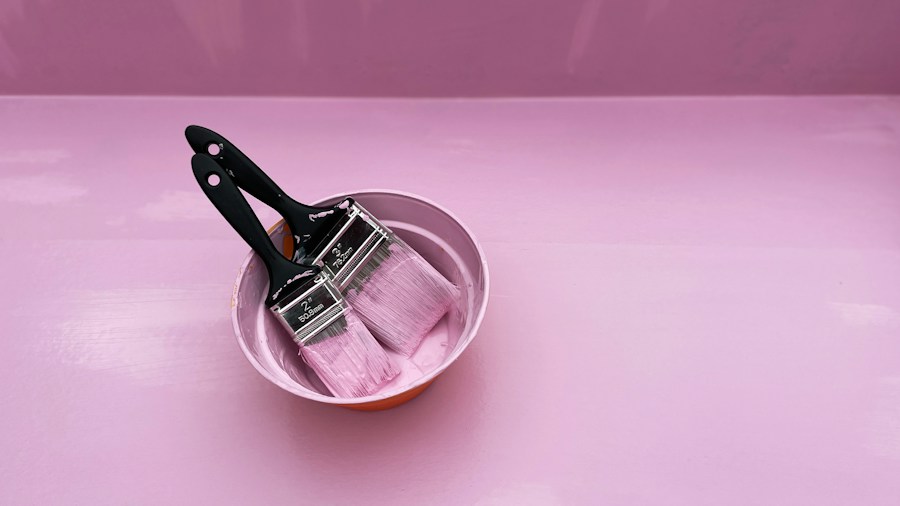
The conversion process requires basic tools and materials most households already have available. Creators begin by removing the pan’s handle, then cleaning the surface thoroughly using sandpaper or a wire brush to eliminate accumulated grime and rust. Safety is important during this cleaning stage, so wearing protective eyewear and a respirator prevents inhalation of potentially harmful particles. After the pan is clean, a single hole must be drilled through the center bottom to accommodate the light socket.
Once the pan is prepared, paint becomes the primary decorating tool. Many people apply spray paint for even coverage, though traditional brush and liquid paint also work well. Popular color schemes include black or dark tones on the exterior with white or reflective paint on the interior to maximize light distribution. Others experiment with metallic finishes or hand painted designs and patterns for more personalized results. The paint must dry completely, typically overnight, before assembly begins.
Assembly and Installation Considerations
The final assembly involves feeding the light socket through the center hole and attaching the bulb inside the converted pan. For hanging, the socket’s wire can be used directly, though wrapping it with rope improves aesthetics. To prevent excessive strain on the wire, many builders incorporate additional support using metal chains or hardware. A sturdy chain can be glued to the pan’s bottom or attached through drilled holes in the back, which distributes the weight more evenly and prevents wire damage over time.
This upcycling approach works best with specific pan styles. Curved bottomed pans like woks or stir frying pans create attractive light diffusion patterns. Flat bottomed skillets can work too, though the design looks different. Pans with removable handles are ideal, while cast iron pieces and permanently attached handle designs should be avoided due to structural limitations.
What This Trend Means for Shoppers
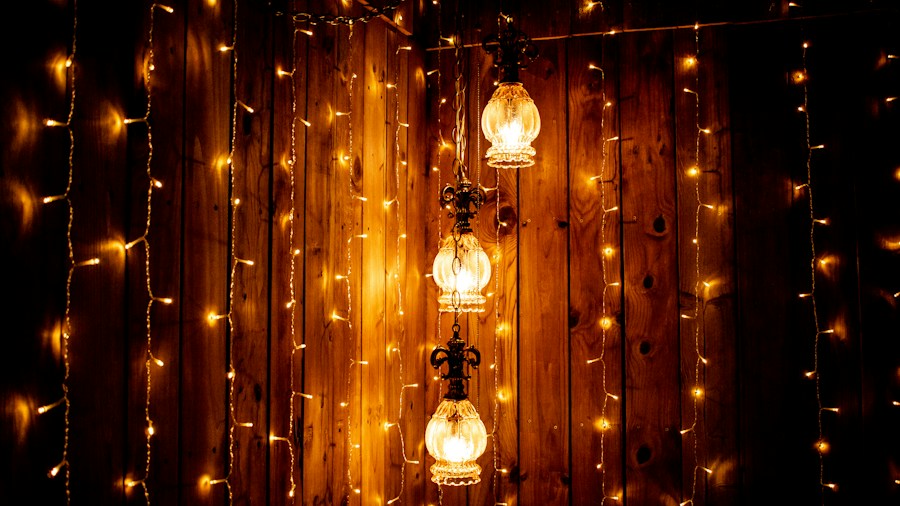
The rise of upcycled pendant light projects signals a broader shift in consumer attitudes toward home decor and sustainability. Rather than automatically replacing damaged cookware or purchasing expensive decorative lighting, shoppers are recognizing the value in repurposing household items. This movement parallels other recent DIY lighting trends, such as pickle jar pendant lights and beaded pendant light projects that have captured homeowner interest.
For budget conscious decorators, the financial advantages are clear. Old pans cost nothing to acquire if you’re repurposing your own, or minimal amounts if purchased secondhand. The additional materials needed, including paint, hardware, and a basic light socket, typically total under twenty dollars. This makes the entire project far more affordable than commercial pendant fixtures, which often range from fifty to several hundred dollars depending on quality and design.
Beyond cost savings, this trend appeals to those seeking distinctive home accents that reflect personality and creativity. Mass produced lighting fixtures offer limited options, whereas each handmade pan pendant becomes a unique conversation piece. The rustic industrial aesthetic of metal pan fixtures works particularly well in garage spaces, sheds, craft rooms, and covered outdoor areas like patios and decks.
Sustainability and Practical Benefits
From an environmental perspective, transforming cookware instead of discarding it reduces waste heading to landfills. Nonstick pans that have become scratched or damaged shouldn’t be used for cooking anymore due to potential health concerns, so upcycling offers a responsible disposal alternative. This practical sustainability aspect resonates with eco conscious consumers increasingly looking for ways to reduce household waste.
The versatility of the project also appeals to decorators with various skill levels. Beginners can achieve attractive results with simple solid color paint applications, while experienced crafters can create intricate designs and patterns. This accessibility makes the project approachable for anyone interested in trying their hand at DIY home improvement.
As more homeowners discover this creative solution, the upcycled pendant light trend demonstrates that unique, stylish home decor doesn’t require expensive retail purchases. By combining basic tools, imagination, and materials already available at home, anyone can transform forgotten kitchen items into functional lighting that enhances their living spaces while maintaining an environmentally conscious mindset.






Write Your Review
No reviews yet. Be the first to share your experience!