

Carbon monoxide is a silent threat in millions of American homes. This colorless, odorless gas is produced whenever any fuel-burning appliance operates, and it can accumulate to dangerous levels when equipment malfunctions or lacks proper ventilation. With November recognized as Carbon Monoxide Awareness Month, now is an ideal time for homeowners to understand the full scope of CO risks in their living spaces and take meaningful protective steps.
The Furnace Is Just One Source
While furnaces are the most obvious combustion appliance in many homes, they represent only one piece of a much larger safety puzzle. Water heaters, boilers, gas dryers, fireplaces, wood stoves, and pellet stoves all produce carbon monoxide during normal operation. Even kitchen appliances like gas ovens and stovetops create CO when in use. Any device that burns fuel, whether it’s a home heating system or something stored in the garage, poses potential risk if not properly installed, maintained, and vented.
The danger extends beyond the house itself. Portable generators, grills, and smokers should never operate indoors or in attached garages. Gas-powered lawn equipment, chainsaws, and vehicles in the garage can quickly elevate CO levels to harmful concentrations. Many homeowners underestimate these external sources, assuming that only major HVAC components require vigilance.
Standard Detectors Miss Low-Level Exposure
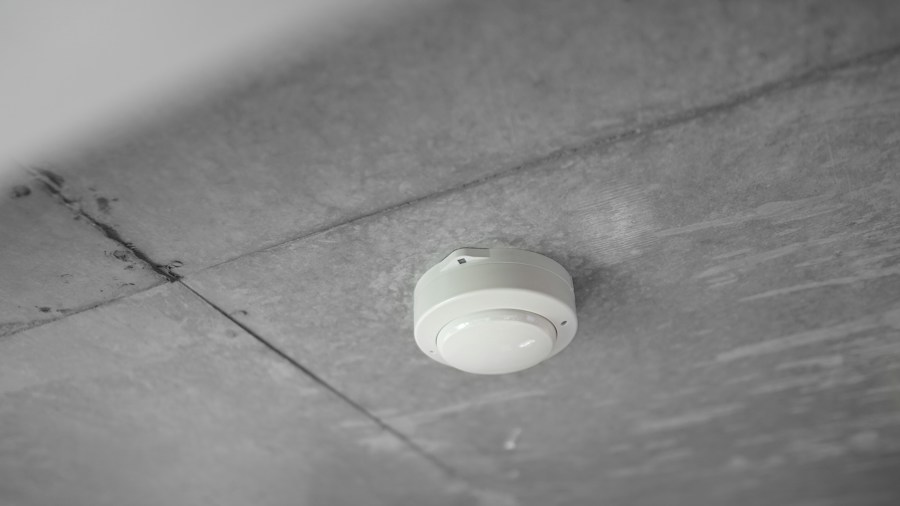
Most households rely on UL2034-certified carbon monoxide alarms for protection. While these devices prevent fatal poisoning, they have a critical limitation: they will not alert until carbon monoxide levels reach 70 parts per million for at least an hour. The industry standard allows them to alarm anytime between 70 ppm and 400 ppm depending on exposure duration. By contrast, the American Society of Heating, Refrigerating, and Air-Conditioning Engineers (ASHRAE) has established 9 ppm as the safe residential limit. This gap means standard alarms fail to warn residents of prolonged, low-level exposure that can still cause serious injury.
Low-level CO exposure produces symptoms that often masquerade as common illnesses: persistent headaches, dizziness, unexplained fatigue, and flu-like symptoms that resist treatment. With continued or higher exposure, victims may experience convulsions, impaired judgment, hallucinations, heart problems, and loss of physical control. Because symptoms vary widely from person to person, CO poisoning frequently goes undiagnosed until significant damage occurs.
What Homeowners Should Do
The first line of defense involves regular professional inspection and testing. Professional HVAC contractors use properly calibrated combustion analyzers to identify hazards that visual inspection alone cannot detect. Just because an appliance looks normal does not mean it is operating safely. All fuel-burning equipment should undergo combustion testing at least annually.
Beyond testing, homeowners must commit to proper installation and maintenance. When starting a vehicle in an attached garage, open the garage door first, start the engine, and immediately back the vehicle outside. Never leave a running car idling in the garage. Portable generators must sit at least 20 feet away from any structure, while grills and smokers should be positioned at least 10 feet from the house.
Education matters enormously. HVAC professionals serve as the primary defense against CO poisoning, and homeowners should actively engage with their contractors about these risks. When HVAC professionals perform routine maintenance on heating systems, they should take the opportunity to discuss CO safety comprehensively, not assuming homeowners understand the breadth of potential sources.
Taking Carbon Monoxide Seriously
November serves as an important reminder that furnace safety extends far beyond the equipment in the basement. Homeowners who invest time in understanding carbon monoxide sources, maintaining all fuel-burning appliances, and working with qualified professionals significantly reduce their family’s exposure risk. Recovery from severe CO poisoning can be long and costly, making prevention the only sensible approach. For families relying on gas-powered heating, water heating, or cooking appliances, treating carbon monoxide awareness as a year-round priority is simply responsible homeownership.












Write Your Review
No reviews yet. Be the first to share your experience!