

A Tiny Upper East Side Studio Proves Small Spaces Can Feel Luxe
A 250-square-foot studio apartment on Manhattan’s Upper East Side is showing renters that decorating constraints can actually lead to smarter, more intentional design choices. The unit, located in a converted 1879 brownstone, features the classic bones many city dwellers crave: original hardwood floors, soaring ceilings, decorative fireplaces, and large windows. Yet its compact footprint demands creativity in every decorating decision, from color selections to wall treatments.
The renter, who has lived in the space for about a year, deliberately chose a maximalist approach to make the studio feel larger and more inviting. Rather than leaving walls plain, thoughtful surface treatments and layered furnishings create depth and visual interest. This strategy challenges the common misconception that small spaces need to stay minimal or sparse. For shoppers in rental apartments or tiny homes, the lesson is clear: intentional design elements, including careful wallpaper choices that complement historic architectural details, can transform how a room feels without requiring structural changes.
Why Prewar Buildings Drive Renter Interest and Design Decisions

Prewar apartments in historic buildings command attention from renters and buyers alike, and for good reason. This particular studio benefits from features built into the structure decades ago: nine-foot-plus ceilings, oversized windows framing street views, genuine wood floors, and ornamental fireplaces. These elements provide a visual foundation that modern construction rarely matches. Many renters prioritize prewar buildings specifically because existing architectural character does much of the decorative work already.
However, prewar units come with tradeoffs. Kitchens tend to be cramped, bathrooms small, and electrical layouts sometimes require creative solutions. Natural light and outdoor views become premium selling points. For this 250-square-foot studio, proximity to a park and a mature tree outside the window significantly influenced the renter’s decision to sign the lease. The combination of historic charm and access to nature proved more valuable than raw square footage.
Shoppers evaluating apartments in older buildings should understand that period-appropriate design choices, including vintage-inspired wallpaper styles that honor both aesthetic traditions, enhance rather than fight the existing character. Trying to modernize a prewar space completely often results in a jarring, disjointed feel.
Maximalism Works in Tiny Spaces When Done Purposefully
The renter describes her design philosophy as “maximalist,” but the approach here is disciplined rather than chaotic. Every object serves a purpose: clothing is organized intentionally, soft furnishings create coziness, art and decor express personality. The goal is to feel enveloped in warmth and comfort rather than surrounded by clutter.
This strategy directly contradicts trending minimalism advice aimed at small apartments. Rather than emptying spaces to feel larger, strategic layering of textures, colors, and objects can actually make rooms feel more complete and lived-in. For renters shopping for furniture and decor items, the takeaway is that quality matters more than quantity. A well-chosen slipcovered sofa, carefully selected lamp, and thoughtfully curated wall treatments create impact without overwhelming the space.
Lighting and Wall Treatments Solve Layout Limitations
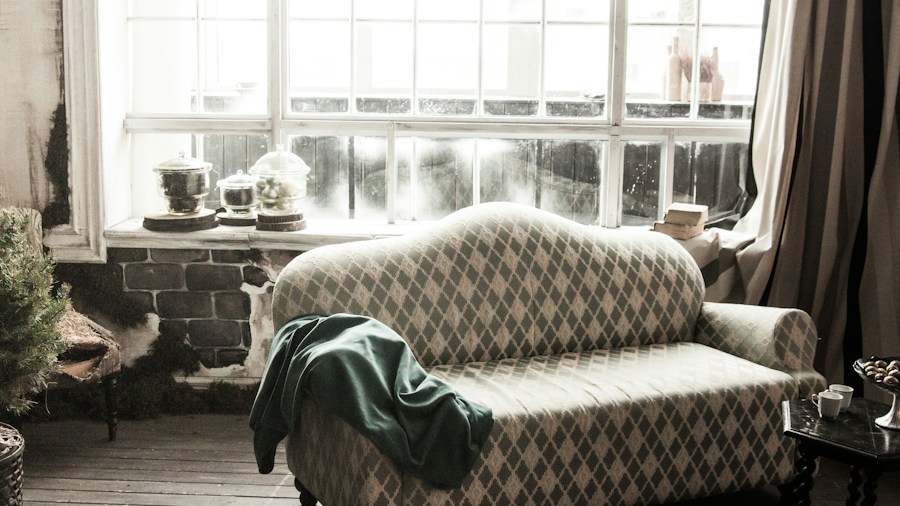
The original studio layout included only one overhead light fixture, a common limitation in older buildings. Rather than accepting poor lighting, the renter added task and ambient lighting through strategic lamp placement. This approach is crucial in small spaces where the wrong lighting can make rooms feel cramped or dingy.
Wall treatments, including paint colors and wallpaper selections that work in confined rooms, deserve equal attention. Light, cohesive colors on walls help spaces feel airier, while strategic patterned wallpaper in a single accent wall or small room can add personality without shrinking the space visually. Renters should evaluate their natural light levels, window placement, and existing architectural features before selecting wall colors or wallpaper designs.
What Shoppers Should Consider Before Moving to a Tiny Space
This studio apartment succeeds because the renter’s lifestyle preferences aligned with the space’s characteristics. She values coziness, proximity to nature, and character over modern convenience and square footage. Before committing to a compact rental or home purchase, shoppers should honestly assess their own priorities.
Key questions include: How much storage do you realistically need? Do you work from home and require dedicated office space? How important is natural light and outdoor access? Can you embrace the quirks of an older building, including uneven floors, drafty windows, and mechanical sounds? A 250-square-foot studio works beautifully for someone who doesn’t cook elaborate meals, doesn’t require a separate bedroom, and loves being near parks and street life. It may feel impossibly cramped for someone with opposite priorities.
When shopping for furniture and decor items for tight spaces, choose pieces that serve multiple functions and reflect your authentic style. Generic, trendy items make small spaces feel like showrooms rather than homes.











Write Your Review
No reviews yet. Be the first to share your experience!