

The wallpaper market is shifting as American and British design perspectives collide and blend. A prominent international designer recently shared insights into how the two cultures approach wall treatments differently, and what that means for shoppers looking to refresh their homes with wallcoverings.
How British and American Designers View Wallpaper Differently
British interior designers have traditionally embraced wallpaper with confidence, using bold patterns and rich colors throughout entire rooms without hesitation. They mix patterns, colors, and historical periods freely, creating spaces that feel intimate and layered. By contrast, American designers have historically favored natural wallcoverings like grasscloth and woven fibers, which add texture and depth through subtle irregularities rather than bold pattern.
However, this distinction is rapidly blurring. Over the past several years, the two approaches have begun converging. American designers are increasingly drawn to the history, character, and layered confidence of British interiors, appreciating how patterns and textures combine to create rooms that feel collected over time. Meanwhile, British designers are adopting the relaxed, light-filled sensibility that characterizes American spaces.
This cross-pollination represents a significant shift in how consumers should think about wallpaper choices. Rather than adhering strictly to either aesthetic, today’s homeowners can blend both traditions to create personalized spaces that honor architectural heritage while maintaining contemporary comfort.
What the Design Exchange Means for Your Home

The growing dialogue between American and British design traditions offers shoppers more flexibility and inspiration than ever before. Natural fiber wallcoverings, once considered primarily an American preference, are gaining traction in Britain. Conversely, the bold color palettes and pattern mixing characteristic of British design are finding their way into American homes with increasing frequency.
One designer working across both markets explained that location and architecture should drive wallpaper selection. In a Georgian-style apartment in London, for instance, the goal was to restore original architectural elements while introducing the owners’ personal style through art and furnishings. This principle applies equally to American homes: whether your house dates to the 1800s or follows contemporary design principles, the wallpaper you choose should complement your space’s inherent character rather than fight against it.
For smaller, darker rooms like those common in British townhouses, textured wallpaper can add warmth and richness to intimate spaces. In light-filled American homes, the same textured treatment may feel softer and more understated. Understanding how light and space interact with your chosen wallcovering is essential before committing to a purchase.
Natural Fibers and Craftsmanship Are Gaining Ground
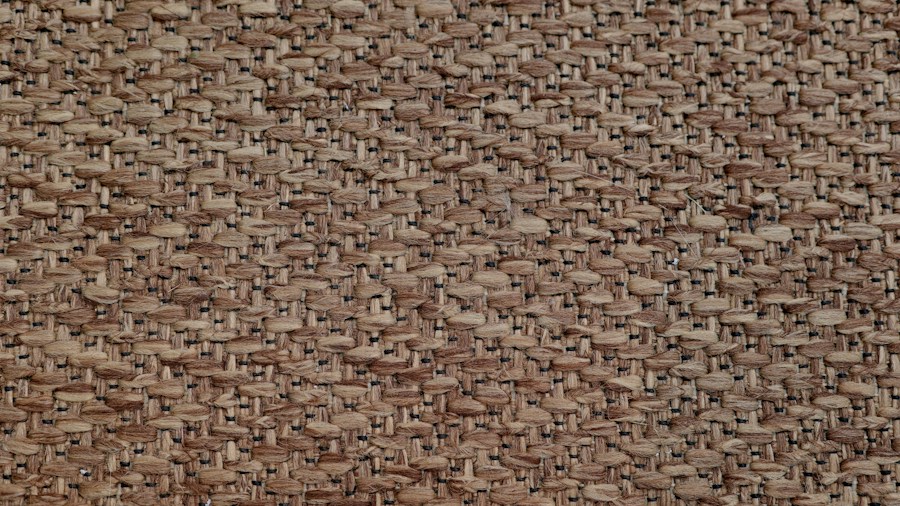
A major trend emerging from the transatlantic design conversation involves natural fiber wallcoverings that showcase craftsmanship and subtle texture variations. Materials like alpaca, raffia, and bouclé are appealing to designers on both sides of the Atlantic because they respond beautifully to changing light and create visual interest without relying on printed pattern.
Ombré wallcoverings, which feature gradual color transitions combined with soft natural fibers, exemplify this approach. The irregularity of woven surfaces creates movement and depth that printed patterns cannot achieve. For shoppers considering a wallpaper investment, these natural fiber options offer versatility across both traditional and modern interiors.
The appreciation for natural materials and texture is influencing both markets significantly. Americans are particularly drawn to how natural wallcoverings create comfortable, livable spaces, while British designers are embracing the material quality that such options provide. Whether you’re updating an entire room or tackling smaller projects like cabinet coverings, selecting wallpaper with genuine material substance adds lasting value to your home.
The Two-Way Conversation Is Just Beginning
Designers expect the exchange between American and British design traditions to deepen in coming years. British interiors are increasingly embracing the openness, light, and connection to nature that characterize American design. American homes are incorporating more layering, individuality, and unexpected color combinations associated with British decorating.
This evolution suggests that shoppers should feel empowered to break traditional rules. A room doesn’t need to be strictly British in character or purely American in approach. Instead, the most successful interiors thoughtfully combine elements from both traditions, respecting architectural integrity while expressing personal style.
When selecting wallpaper for your home, consider how it will interact with your space’s existing architecture, lighting, and the way you actually live in your rooms. Strategic wallpaper choices can dramatically affect how large and inviting a space feels. Whether you’re drawn to bold British pattern mixing or subtle American texture, the key is making intentional decisions that enhance rather than overwhelm your home’s character.
The convergence of American and British design perspectives is ultimately good news for consumers seeking quality wallpaper that reflects their personal taste and respects their home’s unique architecture.












Write Your Review
No reviews yet. Be the first to share your experience!