

A growing trend in furniture design is reshaping how people approach tiny living spaces. Interior designers and homeowners are increasingly rejecting standard dressers, media consoles, and bulky storage units in favor of custom shelving and multi-functional pieces that maximize square footage while maintaining style.
One Brooklyn resident recently completed a three-month renovation of her 500-square-foot apartment, making strategic furniture choices that transformed the cramped space into something luxurious and open. Rather than filling the apartment with conventional furniture items, she and her father installed custom open shelving throughout most of the unit, eliminating the need for closed cabinets and traditional storage pieces.
Why Shoppers Are Abandoning Conventional Furniture
The shift away from standard furniture pieces stems from practical necessity. In studio apartments and compact homes, every inch counts. Traditional dressers take up valuable floor space without contributing much visual interest, while open shelving creates an illusion of roominess and serves multiple purposes simultaneously.
Custom shelving solutions offer several advantages over mass-produced alternatives. They can be tailored to fit specific wall dimensions, accommodate personal collections, and showcase decorative items that reflect individual style. This approach also allows residents to redesign living areas without purchasing entirely new furniture, making it budget-conscious and sustainable.
The Brooklyn apartment renovation exemplifies this furniture philosophy. By choosing open shelving over closed kitchen cabinets and eliminating the media console that typically sits beneath televisions, the resident created significantly more visual breathing room. What might have felt cramped in a 500-square-foot space suddenly felt spacious and deliberately curated.
Custom Solutions Meet Modern Design Needs
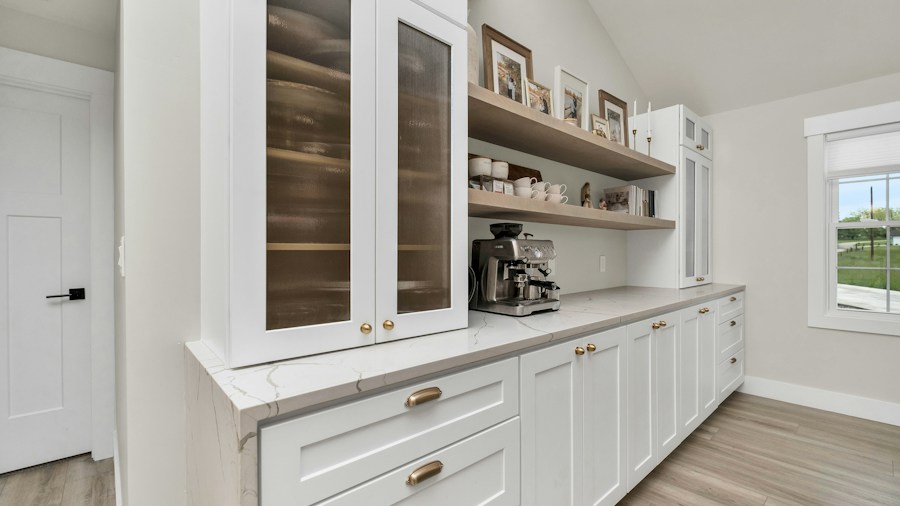
The resurgence of custom furniture reflects a broader consumer preference for personalization. Rather than accepting what furniture stores offer off-the-shelf, homeowners are collaborating with designers or taking DIY approaches to create pieces that solve their specific storage challenges.
In the Brooklyn case, the custom shelving was constructed using reclaimed wood originally sourced from friends in Manhattan, adding character and sustainability to the project. This material had already been repurposed across five different apartments, demonstrating that quality construction and thoughtful design choices outlast temporary living situations.
Shoppers considering similar renovations should note that custom shelving requires initial investment and planning. However, the long-term benefits include improved functionality, enhanced aesthetics, and the flexibility to transform kitchens and living areas into cohesive, comfortable zones rather than isolated functional spaces.
What This Means for Your Furniture Purchases
For consumers shopping in today’s furniture market, this trend suggests several considerations. First, evaluate whether traditional furniture pieces truly serve your needs or simply occupy space by habit. Second, explore custom or semi-custom options that furniture retailers increasingly offer at multiple price points.
The decision to forgo conventional furniture also impacts how you approach storage. Instead of relying on standalone dressers or cabinets, consider wall-mounted solutions, built-in shelving, or modular pieces that adapt as your needs change. This flexibility proves invaluable whether you’re in a temporary rental or a permanent home.
Materials matter when selecting furniture for compact spaces. Lighter woods, metal frames, and glass shelves create visual lightness compared to heavy, solid pieces. Understanding furniture construction and material options helps shoppers make informed decisions that align with both aesthetic preferences and practical space constraints.
The Brooklyn apartment tour reveals that embracing open shelving and minimal furniture doesn’t mean sacrificing comfort or style. Strategic selections of seating, like a sectional in a warm neutral tone, combined with carefully chosen textiles and lighting, create an inviting atmosphere within tight square footage. When considering furniture for small spaces, prioritize pieces that serve multiple functions, select materials that feel light and airy, and don’t hesitate to explore custom options like natural wicker and rattan furniture that add texture without visual weight.
As rental markets tighten and urban living spaces remain compact, the furniture industry continues adapting to these realities. Shoppers who embrace this shift toward intentional, custom-focused design solutions will find their spaces feel larger, more functional, and distinctly personal.












Write Your Review
No reviews yet. Be the first to share your experience!