

Steel Furniture Transforms From Factory Staple to Design Statement
For decades, steel furniture belonged almost exclusively to office buildings, warehouses, and industrial settings. It was chosen for one reason alone: it could take a beating and keep functioning. Nobody bought a steel desk because it looked beautiful. But that era has officially ended. Today’s designers are reimagining steel as a refined, elegant material that deserves a place in contemporary homes, boutique hotels, and architect-designed spaces. Understanding this shift matters for anyone shopping for furniture that needs to be both durable and visually compelling.
Why Steel Suddenly Looks Nothing Like Steel
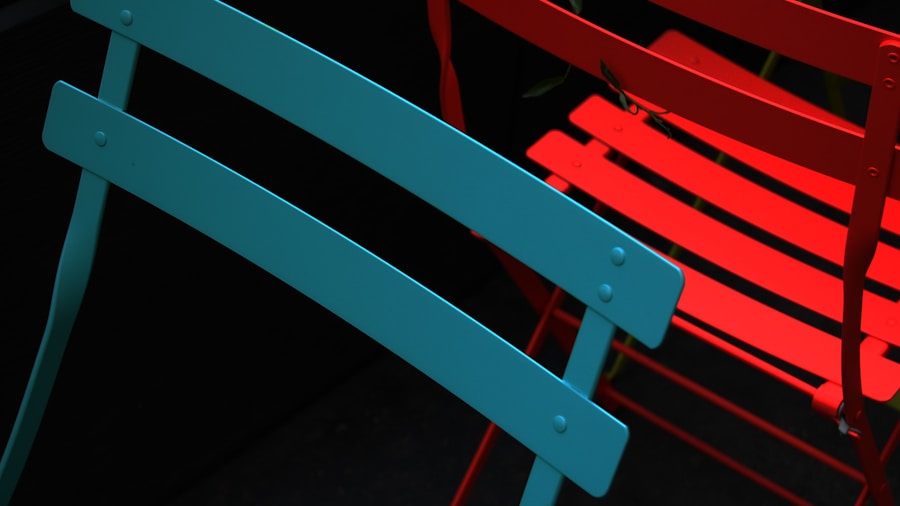
The transformation begins with a simple structural fact: steel is strong enough to be thin. Where wood requires bulk to support weight, steel can achieve remarkable delicacy without sacrificing stability. Designers are using this advantage to create furniture with slim profiles, minimal frames, and clean geometric lines that appear to float rather than occupy space. A steel chair leg can be a sliver of metal instead of a chunky post, which fundamentally changes how a room feels and looks.
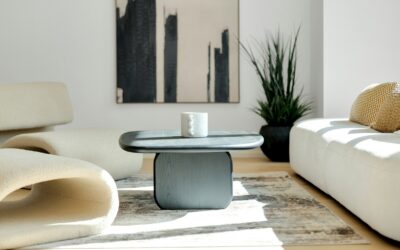
Polished steel surfaces add another layer of sophistication. When light reflects off precisely fabricated metal, it creates visual clarity and sharp definition that reads as contemporary and refined rather than purely utilitarian. Some contemporary collections use hand-bent steel rods shaped into flowing, almost artistic forms, turning functional pieces into sculptural statements. Others combine steel with warmer materials like leather and wood, creating a sensory dialogue that softens steel’s cool industrial edge while amplifying its elegance.
The Contrast Between Cool Metal and Warmth
Steel has always presented a contradiction: it is visually crisp and precise but cool to the touch, lacking the immediate warmth many people associate with comfort and home. Smart designers now treat this tension as an opportunity rather than a problem. By pairing exposed steel frames with supple leather seats, textured wool cushions, or natural timber surfaces, contemporary furniture creates a layered experience that balances strength with comfort. The metal’s cool composure actually enhances the inviting warmth of the complementary materials, making spaces feel both grounded and welcoming.
A Material Built to Last and to Age
Steel furniture represents a deliberate rejection of fast furniture culture. A high-quality steel piece is rarely a temporary purchase; it is an investment in longevity. This matters both environmentally and financially. Unlike many materials that degrade through repeated recycling, steel maintains its strength and performance indefinitely, making it genuinely circular and sustainable over time. A steel chair you buy today could theoretically be recycled and repurposed indefinitely without losing quality.
Steel also ages with character. Precision finishes like powder coating resist scratches and corrosion, keeping a piece looking nearly untouched for years. But raw or waxed steel tells a different story, recording fingerprints, subtle oxidation, and the gentle evidence of daily use. Rather than seeing this as damage, many people now view it as narrative, the material gains depth and individuality as it ages. If you follow the 70-20-10 furniture rule for mixing investment and budget pieces, steel items make perfect anchor investments that improve with time.
Flexibility and Modularity in a Smaller World
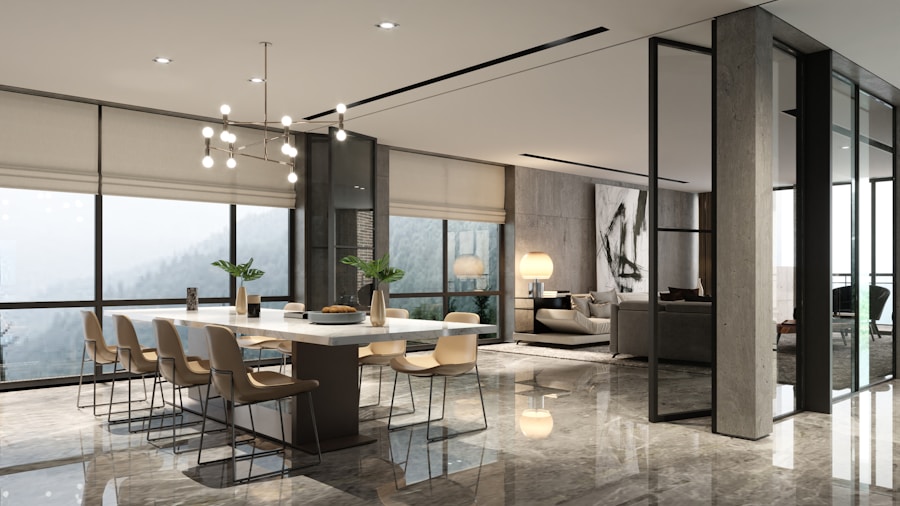
Steel’s dimensional stability and precision fabrication also make it ideal for modular systems and adaptable furniture. In contemporary homes where space must work harder, steel enables intelligent flexibility: shelving that expands, partitions that shift, tables that extend, and frames that support interchangeable elements. Because steel components remain aligned and reliable even after repeated adjustments, these systems actually improve with use rather than loosening over time.
This adaptability reflects how modern living spaces function. Few people stay in the same home layout forever, and fewer still have excess square footage to waste. Steel furniture that evolves with your needs reduces the impulse to replace, repair, or upgrade. It is an investment in flexibility as much as durability, which appeals to both environmentally conscious buyers and anyone living with spatial constraints.
What This Means for Your Next Furniture Purchase
The emergence of steel as a design-forward material expands what is possible in contemporary interiors. You no longer have to choose between durability and beauty, between industrial strength and refined aesthetics. Modern steel furniture demonstrates that these qualities can coexist seamlessly. As you browse minimalist furniture innovations and emerging design approaches, you will increasingly encounter steel pieces that challenge old assumptions about what the material can express.
Look for pieces that showcase material honesty, whether that means exposed welded joints, visible hardware, or polished surfaces that highlight the fabrication. Consider how thin profiles and clean lines might make your space feel more open and breathable. And think about longevity: a slightly higher initial investment in a well-designed steel piece often costs less than replacing cheaper furniture multiple times. Steel furniture is not just a practical choice anymore. It is a design statement that says you value both substance and style.








Write Your Review
No reviews yet. Be the first to share your experience!