

Daikin, one of the world’s largest heating and cooling manufacturers, has announced exceptional financial results that reflect surging global demand for climate control solutions. The company reported sales of $18.39 billion for the first half of its fiscal year, marking a 17.4% increase from the same period last year and hitting a new record high. Net profits climbed 7.5% to $1.1 billion, also a record interim result. These numbers tell an important story about where the heating and cooling industry is heading, and what it could mean for shoppers evaluating their home comfort options.
The financial surge was primarily driven by unusually strong demand across Europe, where multiple factors converged to boost sales. Extended heatwaves swept through France, the UK, Germany, and Belgium during late spring and early summer, sending air conditioning sales upward as homeowners and businesses rushed to stay comfortable. Beyond traditional cooling systems, there was a notable spike in interest for heat pump technology that provides both heating and hot water, driven largely by climbing natural gas prices and European Union mandates pushing toward electrification. This dual trend signals a broader industry shift: cooling and heating technologies are becoming more intertwined, and energy efficiency is becoming a decisive factor in purchase decisions.
Why Commercial and Industrial Cooling is Booming
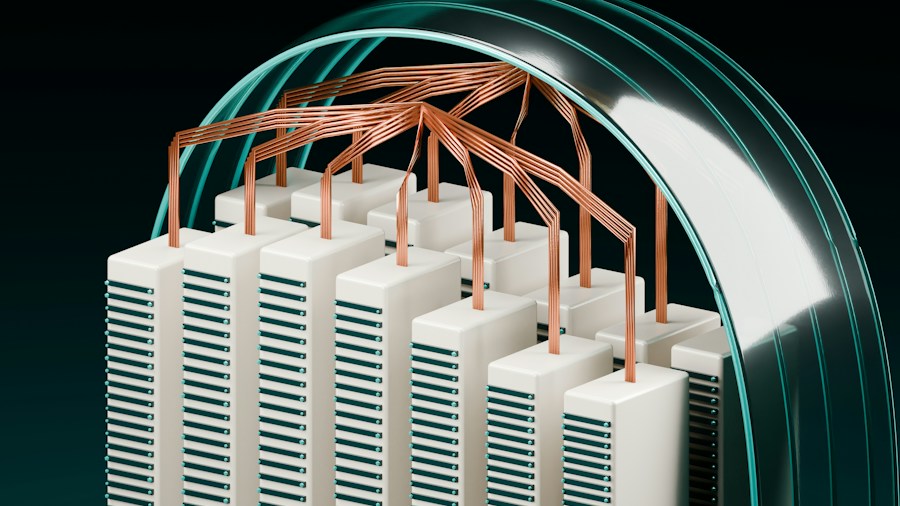
The commercial air conditioning segment experienced particularly strong growth, with increased uptake of R32 refrigerant-based equipment, which aligns with environmental regulations favoring lower-impact cooling agents. Perhaps most striking was explosive demand from data centers, which require massive, continuous cooling capacity as artificial intelligence and cloud computing workloads expand. This industrial growth underscores a reality many home shoppers overlook: the entire cooling ecosystem is changing, and innovations developed for commercial applications eventually trickle down to residential products. When you’re selecting a new air conditioning system, the efficiency and reliability standards being refined in commercial settings today will influence your options tomorrow.
Regulatory Changes Driving Urgency
Daikin’s strong performance was also fueled by buyers moving ahead of stricter energy efficiency standards set to take effect in Japan next year. This pattern is common before regulatory changes: homeowners and building owners accelerate purchases to avoid higher costs once new standards are implemented. If you’ve been considering upgrading your heating or cooling system, understanding whether similar regulatory shifts are coming in your region could help you time your purchase strategically. Federal and state efficiency requirements in the United States do periodically tighten, which can affect pricing and model availability.
The heat pump market specifically benefited from the combination of rising energy costs and government policies encouraging electrification. Homeowners facing steep heating bills during winter months discovered that modern heat pump systems could deliver warmth more cost-effectively than traditional furnaces or oil-based heating. Smart HVAC systems with advanced controls are making these investments even more attractive by allowing homeowners to optimize energy use throughout the day.
What This Means for Your Home Comfort Decisions

When major manufacturers report record sales, it typically signals expanding product lines, increased competition, and more choices for consumers. Daikin’s growth suggests the company will likely invest in new technologies and offerings, which benefits shoppers by expanding options and driving innovation. However, strong market demand can also lead to longer lead times for installation and service, so if you’re planning a cooling or heating upgrade, scheduling earlier rather than later is prudent advice.
The shift toward heat pump technology and energy-efficient systems is not just a financial trend for manufacturers, it’s a fundamental change in how homes will be heated and cooled. Traditional furnaces and window air conditioners are gradually being replaced by integrated systems that handle both heating and cooling efficiently. As products evolve, it’s important to stay informed about product reliability and safety updates, which can occasionally require recalls or modifications.
The data center demand mentioned in Daikin’s results also reflects rising awareness that cooling technology matters beyond just home comfort. Data centers consume enormous amounts of energy, and advances in efficient cooling directly reduce their carbon footprint. This creates a virtuous cycle: commercial innovations improve efficiency, costs decline, and better technology becomes available for residential use.
Planning Your Next Purchase
If you’re currently shopping for heating or cooling equipment, Daikin’s record results indicate strong industry momentum and plenty of products in development. This is favorable for consumers because it means manufacturers are competing aggressively on features, efficiency, and reliability. However, it also reinforces that energy efficiency should be a top criterion in your decision. Maintaining whatever system you choose is equally important for long-term performance and cost control.
Daikin’s announcement is ultimately good news for the heating and cooling market. It shows demand is strong enough to justify continued investment in better products, more efficient technology, and expanded service networks. For homeowners, this translates to more competitive options, faster innovation, and greater incentive for manufacturers to prioritize quality and customer satisfaction.











Write Your Review
No reviews yet. Be the first to share your experience!