

What Shoppers Need to Know About 3D Printer Value for Your Favorite Hobby
When NASA wanted to manufacture tools and replacement parts aboard the International Space Station, the answer came from an unexpected source: a 3D printer. Today, that same technology is transforming how everyday hobbyists tackle expensive accessories and components, turning what once required a trip to a retailer into items produced at home for a fraction of the cost.
The question many consumers face is whether investing in a 3D printer makes financial sense for their particular interests. Entry-level machines start around $170, while filament costs roughly $20 per kilogram. The math becomes clear when you realize that producing fifty items worth $10 each from a single kilogram of material quickly recoups your initial investment. However, before making a purchase, it helps to understand where 3D printing technology genuinely saves money and where it may fall short for your needs.
Drone and RC Vehicle Enthusiasts See Fast Returns
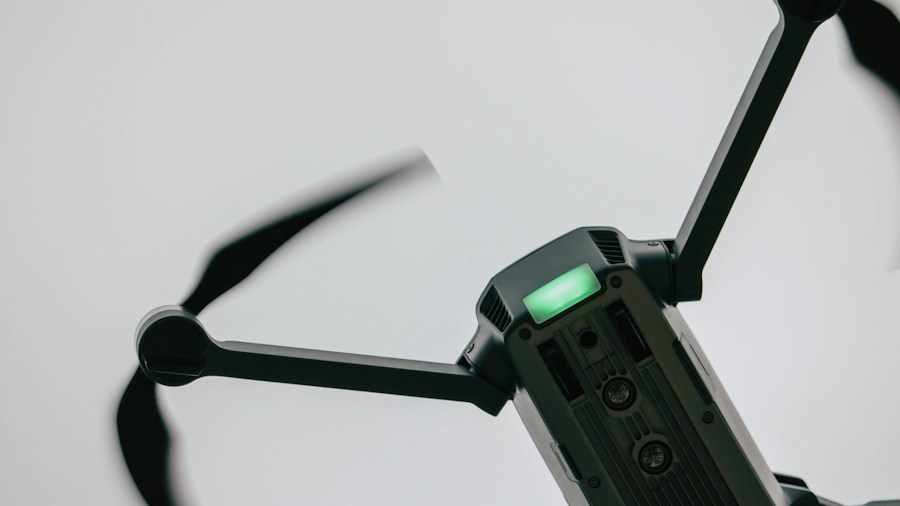
Anyone who flies drones or operates remote-controlled vehicles knows the painful reality of replacement parts. A crash that damages a camera mount, antenna guard, or arm protector requires ordering a replacement, often costing $10 or more per component. With a 3D printer, you can produce these parts on demand for considerably less, turning a recurring expense into a manageable cost.
The hobbyist community already recognizes this advantage. Specialized modeling sites feature entire sections dedicated to drone components ready for download and printing. One critical caution: avoid printing flight-critical pieces like propellers until you have validated the material strength and design reliability. Non-structural parts, however, are fair game and will pay for your printer investment through replacement savings alone.
Mechanics, Gardeners, and DIY Enthusiasts Save Through Customization
Vehicle enthusiasts and gardening buffs face a common frustration: components sold only in bulk quantities or priced high because they serve niche applications. A 3D printer solves both problems. In the garage, you can print hard-to-find interior car pieces, broken knobs, tool organizers, custom wrenches, and workbench solutions. In the garden, print signage, specialized plant clips, custom planters, soil dibbers, and bird feeders tailored to your space.
What makes this approach especially valuable is the convenience factor. Rather than searching online for exactly the right tool or settling for a suboptimal solution, you design and manufacture precisely what you need. This combination of cost reduction and time savings transforms how hobbyists approach problem-solving in their spaces.
Smart Home Projects Become More Affordable
The rise of home automation has created an entirely new category of 3D printing applications. Beyond basic cable management and wall mounts, hobbyists now print custom housings for near-field communication stickers that control smart devices, transforming utilitarian tech into attractive home fixtures. Imagine printing a guest Wi-Fi access button or creating a custom chassis for a Home Assistant touch screen at a cost far below commercial alternatives like Apple’s $299 HomeView.
This flexibility lets you explore smart home creativity without worrying about the expense of specialized accessories. You can test ideas inexpensively and iterate designs until you achieve exactly what your home automation setup requires.
Photography and Video Creators Reduce Accessory Costs
Camera enthusiasts often bristle at manufacturer pricing for basic accessories. A branded lens cap, battery holder, or cable clamp costs significantly more than the plastic and manufacturing warrant. 3D printing changes this equation entirely. You can produce a universal lens cap for pennies or design custom microphone mounts, lighting rigs, battery plates, or selfie handles for a fraction of retail prices.
Beyond replacement parts, photographers use 3D printers to create single-use custom tools that facilitate specific shooting scenarios. Understanding safety considerations when operating a printer in your workspace becomes important as your creative applications expand.
Tabletop Gamers and Hobby Modelers Unlock New Creative Possibilities

Dungeons and Dragons players, tabletop wargaming enthusiasts, model railroad builders, and scale modelers have discovered that 3D printing opens entirely new creative avenues. Print custom characters, monsters, terrain pieces, buildings, and railroad sidings to enhance your next campaign or layout. The online modeling community already trades thousands of files designed specifically for these hobbies, creating a vibrant ecosystem of creative possibilities.
For gamers seeking exceptional detail in miniatures, resin-based printers provide finer quality than basic filament systems. More importantly, hobbyists report that custom dice holders and dice designs mean never losing gaming pieces again.
Making the Right Decision for Your Situation
Before purchasing a 3D printer, honestly assess how frequently you would use it, your comfort level with the technology, and the true operating costs beyond the initial hardware investment. Understanding emerging printer and office technology trends helps inform purchasing decisions that align with your long-term needs.
Space requirements deserve serious consideration too. These devices need proper ventilation and dedicated workspace, making your bedroom or living room unsuitable locations. Many hobbyists find that starting with access to someone else’s printer at a maker space or library allows you to test whether the technology genuinely fits your workflow before committing your own funds. This low-stakes approach removes the guesswork from one of the biggest hobby equipment decisions you might make.









Write Your Review
No reviews yet. Be the first to share your experience!