

The heating systems in American homes are undergoing a significant transformation. Gas furnaces are not disappearing, but their role is fundamentally changing. As a homeowner considering your heating options, you need to understand how modern dual-fuel systems work and whether they make sense for your situation.
The Furnace Gets a New Job
For decades, the relationship between heat pumps and gas furnaces followed a predictable pattern: the heat pump handled mild weather, and the furnace kicked in when temperatures dropped. Today’s technology is rewriting that script. Modern inverter-driven and cold-climate heat pumps operate efficiently at much lower outdoor temperatures than previous generations, which means they handle significantly more of your heating load before any backup system becomes necessary.
A dual-fuel system combines a heat pump with your existing gas furnace, giving you flexibility that an all-electric or all-gas solution cannot provide. This approach makes particular sense when you already have a functioning furnace but need to replace your outdoor air conditioning unit. Rather than removing a perfectly good furnace, you can install a high-efficiency heat pump and retain your gas system as backup. This upgrade path allows you to adopt advanced heat pump technology without the expense of replacing everything at once.
When Dual Fuel Makes Financial Sense
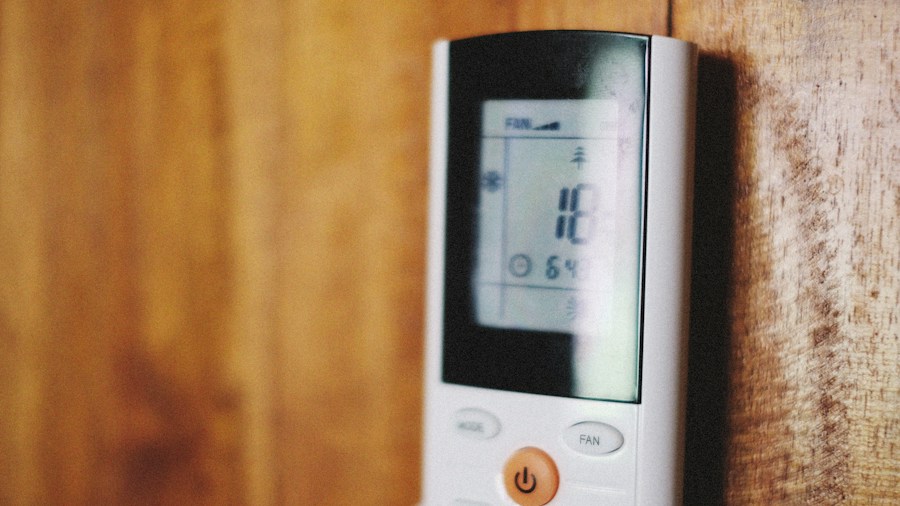
The decision to install a dual-fuel system depends on several factors specific to your home and local energy market. Industry manufacturers now recommend that contractors evaluate your unique situation rather than apply one-size-fits-all rules.
Your heating load, local electricity and gas rates, existing equipment, and personal comfort priorities all factor into the equation. If your utility company charges variable electric rates, the calculation becomes even more complex, since your heat pump’s operating costs fluctuate throughout the day. Some homeowners prioritize lowest-cost heating and accept slightly lower comfort levels, while others value consistent warmth and are willing to pay more. Understanding your own priorities helps contractors recommend the right system for you.
In colder climates, modern cold-climate heat pumps can now deliver heating capacity well into single-digit temperatures. This advancement means that heat pump standards have evolved significantly, and homes in northern regions may no longer need a furnace backup as urgently as they once did. Some homeowners in cold climates may find that a high-efficiency heat pump alone meets their needs effectively.
Setting the Switchover Point Correctly
One of the most common mistakes in dual-fuel installation is setting the switchover temperature too high. When the furnace takes over too soon, you lose much of the efficiency gains you paid for with an advanced heat pump. Contractors unfamiliar with modern inverter technology sometimes use conservative switchover points designed for older heat pump models, which defeats the purpose of upgrading to cold-climate equipment.
Today’s approach to switchover points has become more sophisticated. Rather than choosing a fixed outdoor temperature at installation time, advanced controls can evaluate multiple factors: current indoor and outdoor temperatures, humidity levels, weather forecasts, and anticipated heating loads. Some systems even factor in real-time utility rates, allowing the equipment to choose whether gas or electricity is more cost-effective at any given moment. This dynamic switching optimizes both comfort and operating costs throughout the heating season.
System Design Matters More Than Individual Components
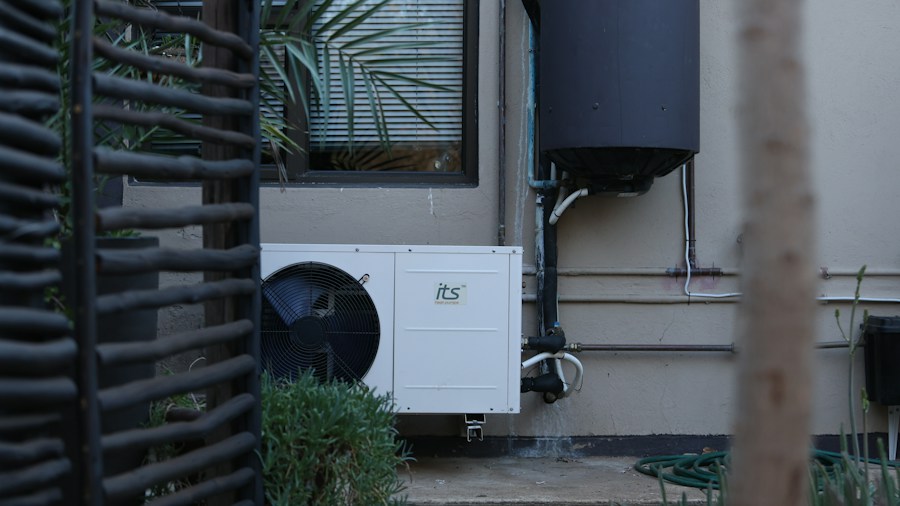
Successful dual-fuel performance requires that your heat pump, furnace, controls, and indoor coil work together as an integrated system, not as separate pieces. This is where contractor expertise becomes critical. Your heating load must be calculated accurately, and both the heat pump and furnace must be sized appropriately for your climate and home.
Compatibility between components is essential. If you are pairing a new heat pump with an existing furnace, the contractor must ensure that all controls operate seamlessly together. Installing a certified quieter heat pump makes sense only if it integrates properly with your other equipment and delivers the performance you expect.
Indoor evaporator coils often need replacement when you upgrade to a new outdoor heat pump unit, even if your furnace remains in service. This compatibility ensures that the entire system operates at its designed efficiency.
Questions to Ask Your Contractor
Start your conversation with your HVAC professional by discussing your priorities. Are you most concerned with monthly energy bills, consistent indoor comfort, minimizing repair risks, or environmental impact? Your answer helps guide the equipment recommendation.
Ask your contractor how modern heat pump performance differs from older models and what switchover point they recommend for your specific home and local utility rates. Request that your heating load be calculated professionally and that the system be designed as a complete unit. Finally, confirm that all components, including properly insulated pipes, are compatible and that controls are configured correctly before installation finishes.
Dual-fuel heating is not the answer for every home, but for many American households, it represents an intelligent bridge between older all-gas systems and all-electric solutions. Understanding how your home’s unique characteristics align with this technology helps you make an informed choice about your heating future.










Write Your Review
No reviews yet. Be the first to share your experience!