

Fall is the ideal time to reassess your houseplant strategy, especially if you’re spending too much energy repotting every season. Recent guidance from indoor plant experts reveals that many popular houseplants actually prefer being slightly root-bound, meaning they thrive when their roots are snug inside their containers. This discovery changes how smart shoppers should approach houseplant selection and care, offering a practical solution for those seeking low-maintenance indoor greenery.
Why Root-Bound Plants Matter for Your Home
When a plant becomes root-bound, its roots grow densely around the inside of the container, filling most available space. While this sounds restrictive, it’s not always a problem. In fact, for certain varieties, a snug fit prevents excess soil moisture that can cause root rot. Moving a root-bound plant into a container that’s too large often leads to overwatering issues and fungal problems, making the plant suffer rather than thrive.
For busy homeowners or anyone new to plant ownership, selecting varieties that tolerate or prefer tight quarters means less frequent repotting and more time enjoying your indoor garden. Understanding which plants fall into this category can transform your approach to houseplant shopping and maintenance.
Top Houseplant Choices That Stay Put Longer
Spider Plant
The spider plant ranks among the easiest houseplants to grow at home. These forgiving plants actually protest when placed in pots that are too large by dying back or developing root rot. According to plant experts, spider plants will happily remain in the same pot for a couple of years. Only repot when roots begin emerging from drainage holes or water rushes through the soil without absorbing. These prolific plants continuously produce baby plants you can propagate, giving you unlimited free plants from a single parent specimen.
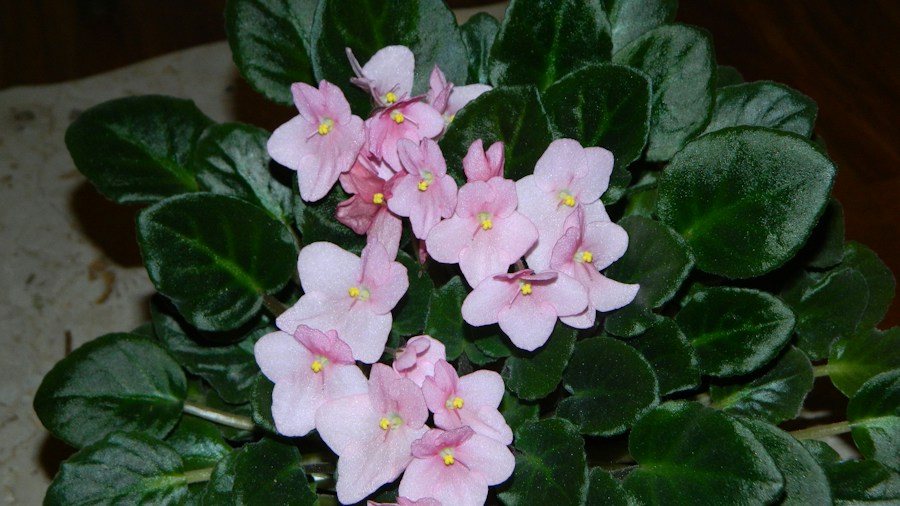
African Violet
Flowering houseplant lovers should consider African violets, which genuinely prefer snug containers. Most standard African violets thrive in just a 4-inch pot. While these compact blooms naturally shed lower leaves over time, creating a leggy appearance, this doesn’t necessarily mean the plant needs a larger home. Only repot when stems become excessively bare or the plant starts drooping. At that point, bury the elongated stem deeper in fresh potting media to encourage new root development. Check annually for signs of crowded roots or declining vigor rather than repotting on a strict schedule.
Jade Plant
Jade plants grow incredibly slowly, adding only about two inches per year, so repotting becomes a rare task. Like most succulents, jade plants prefer root-bound conditions and suffer from root rot if exposed to excessive moisture in oversized containers. Wait to repot every three to four years, or until water rushes through the pot during watering and soil dries out rapidly between sessions. This slow growth rate makes jade plants ideal for those who want beautiful greenery without constant maintenance.
Alocasia
These tropical plants with dramatic, patterned leaves actually grow better when slightly root-bound. Tropical gardeners often make the mistake of moving alocasias into pots much larger than needed, leaving excess compost that retains too much water. A modestly snug container helps you manage watering more effectively. Most alocasias need repotting only every 18 months. Repot when watering no longer moistens the soil sufficiently throughout the pot.
Hoya
Native to southeast Asia, Japan, and Taiwan, hoyas can remain in the same pot for up to five years. These unique plants often require a full root system before they’ll initiate flowering, making them naturally resistant to frequent repotting. If your hoya isn’t blooming, it may simply need more time or room for roots to develop. Frequent repotting can actually prevent flowering, so patience and a snug container go hand in hand with success.
Snake Plant
This classic bedroom plant earns its reputation as a no-fuss air purifier, and its care requirements are equally minimal. Snake plants are susceptible to root rot when placed in oversized pots with excess moisture. Allow the plant to remain root-bound until it becomes top-heavy or water rushes through without absorbing. As a hardy houseplant for air-conditioned homes, the snake plant suits almost any indoor environment.
Christmas and Thanksgiving Cactus
These festive bloomers naturally prefer snug quarters. Frequent repotting diverts the plant’s energy into root development at the expense of flower production. If you want guaranteed Christmas cactus blooms by the holidays, leaving it in a comfortable snug pot helps tremendously. Repot only every couple of years or when the plant clearly outgrows its container.
Kalanchoe
Kalanchoe plants flower throughout the year in shades of pink, white, and orange. As a slow-growing succulent, kalanchoe highly prefers remaining root-bound and becomes extremely susceptible to root rot in oversized containers. Repot every couple of years only after flowering finishes. Smaller pots naturally help control moisture levels, preventing the overwatering that kills these plants.
What to Watch For Before Repotting
Even root-bound houseplants eventually need new homes. Signs include roots visibly emerging from drainage holes, yellowing foliage despite proper care, or soil drying out immediately after watering. When that time comes, avoid common repotting mistakes by moving plants to pots only slightly larger than their current containers and using well-draining soil. Early spring is the optimal repotting season before active growth accelerates.
For shoppers seeking low-maintenance houseplants, prioritizing these root-bound loving varieties saves time and money while guaranteeing healthier plants. By understanding which plants genuinely prefer tight spaces, you’ll make smarter purchasing decisions and enjoy thriving indoor greenery for years.









Write Your Review
No reviews yet. Be the first to share your experience!