

Wyze has introduced a fresh option in the indoor security camera market that puts privacy control directly in your hands. The new Wyze Indoor Cam Pan, priced at just $39.98, features an innovative mechanical design where the camera lens physically retracts into the camera body when you want to disable monitoring. This approach offers something different from traditional cameras that rely solely on software controls.
What Makes This Camera Stand Out
The key difference between this model and other indoor cameras is the visible privacy feature. Instead of pressing a button or toggling a setting to disable recording, you can actually watch the lens descend into the camera housing. This tangible, physical mechanism provides clear visual confirmation that the camera cannot see into your room, which many users find more reassuring than trusting a software function alone.
The design makes particular sense for bedrooms, bathrooms, living rooms, and other private spaces where you might want surveillance capability without constant monitoring. The camera can rotate a full 360 degrees and tilt its lens up to 103 degrees vertically, allowing broad room coverage from a single position.
Performance and Features You Should Know
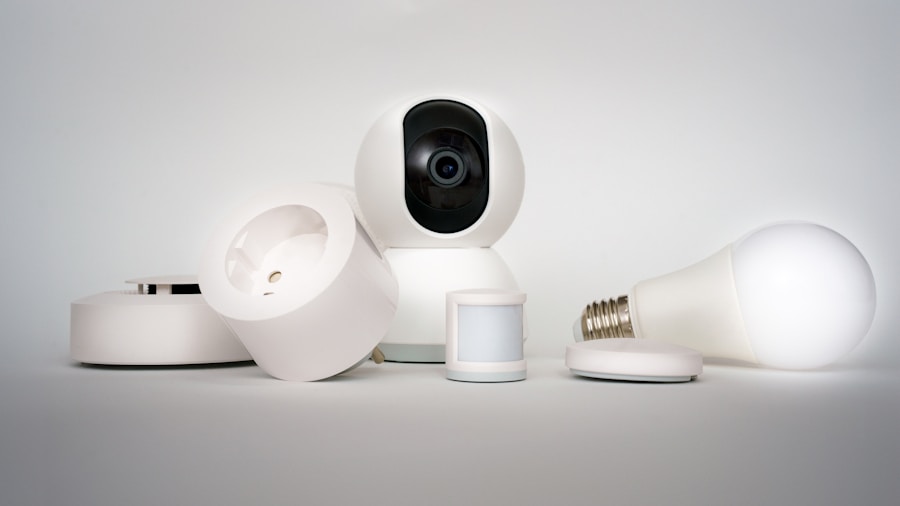
The Indoor Cam Pan captures video at 2K resolution, which exceeds the older Wyze Cam Pan v3 that maxes out at 1080p. While wireless cameras in this price range often sacrifice resolution for cost, this model balances both considerations effectively. The company did engineer a quieter motor than previous versions, so the pan-and-tilt movements won’t create distracting noise as the camera tracks motion.
The camera includes AI-powered motion detection that can follow activity while ignoring irrelevant objects like robot vacuums or people and pets outside your defined zones. For nighttime recording, it uses infrared LEDs and night vision, though footage drops from 20 frames per second to 15 fps in low light conditions.
On the storage side, the camera supports microSD cards up to 512GB, letting you keep recordings locally instead of relying entirely on cloud storage. Two-way audio through a built-in microphone and speaker enables remote communication, and the speaker can emit a 95-decibel alarm if needed. The camera works with Wyze’s Cam Plus and Cam Unlimited subscriptions, which unlock features like AI-generated descriptions of detected activity.
How It Compares to Other Options

Wyze’s pricing strategy positions this camera competitively within their own lineup and against broader market offerings. At $39.98, it costs less than the Wyze Cam Pan v4 at $59.98, which shoots in 4K. However, you gain the privacy-focused retractable lens design that neither the v3 nor v4 models offer. If privacy is your top priority, that mechanical feature justifies the choice, even if resolution isn’t maximum.
This launch also reflects a broader industry shift toward privacy-conscious design. Companies like Comcast have introduced Wi-Fi based motion detection systems that minimize camera reliance, while Apple continues expanding smart home offerings with privacy safeguards built in. Consumers increasingly expect manufacturers to address surveillance concerns, not just add features.
What This Means for Shoppers
If you’ve hesitated buying an indoor camera because you worried about privacy when the device isn’t actively monitoring, this model removes that friction. The retractable lens addresses legitimate concerns about security systems watching you in your own home.
The $39.98 price point also makes this an accessible entry for households that want pan-and-tilt capability without spending significantly more. You’re getting decent 2K resolution, broad pan-and-tilt range, and the privacy mechanism all within a budget-friendly package.
Consider this camera if you want indoor surveillance that covers multiple angles but need reassurance about privacy when the system isn’t in use. The physical lens retraction gives you something no software-only solution can provide: visible, mechanical proof that monitoring has stopped.











Write Your Review
No reviews yet. Be the first to share your experience!