

Apple is preparing a significant shift in its approach to smart home technology, with multiple new products in development that could reshape how consumers think about connected home devices. The company, which has long played second fiddle to Google and Amazon in the smart home market, is now reportedly planning a comprehensive ecosystem that goes well beyond its current limited offerings.
What Apple Has Planned
According to industry reports, Apple’s smart home roadmap includes several major initiatives. The company is working on refreshed versions of its existing HomePod mini speaker and Apple TV 4K device, with both expected to arrive later this fall. The HomePod mini could receive an upgraded processor, moving from the S5 chip to the newer S9, along with improved wireless connectivity and new color options. The Apple TV 4K is similarly expected to get a performance boost, potentially jumping from the A15 Bionic chip to the A17 Pro, which would enable Siri AI capabilities and support for local Apple Intelligence processing.
More significantly, Apple is developing an entirely new category of device: a dedicated smart home hub with an integrated display. Internally referred to as HomePad, this device could arrive sometime between October and early 2027. The company is reportedly considering two designs: a wall-mounted display version and a speaker-based model similar to what Google offers with its Nest Hub products. Both versions are expected to feature a 7-inch square display and run on a new operating system called homeOS, powered by an A18 chip.
Beyond these core products, Apple’s ambitions extend into home security. The company is developing its first smart home security camera and intelligent doorbell. A more advanced version of its smart home display with a larger 9-inch screen and robotic arm capabilities is also in development, potentially transforming the device into a interactive tabletop assistant.
Pricing and Availability Expectations

Current pricing for Apple’s smart home products suggests that consumers won’t face dramatic price increases. The HomePod mini currently sells for $129, while the Apple TV 4K costs $199. Reports indicate that Apple may maintain these price points for the refreshed models, making upgrades relatively accessible for existing customers. However, pricing for the new smart home hub and security devices remains unclear.
Why This Matters for Shoppers
The significance of Apple’s smart home push cannot be overstated. Rather than simply refreshing aging products, the company appears to be building an integrated platform designed to compete directly with Google Home and Amazon Alexa ecosystems. For consumers already invested in Apple’s iPhone, iPad, and Mac ecosystem, this expansion could make smart home adoption more seamless and appealing. Compatibility with existing Apple devices and services like FaceTime, iCloud, and HomeKit could provide advantages over competing platforms.
The addition of AI capabilities through Siri upgrades addresses one of the longstanding criticisms of Apple’s smart home efforts: limited intelligence and usefulness compared to rival voice assistants. With Siri AI improvements enabling more natural conversations and smarter automation, Apple’s devices could finally deliver the functionality that justifies a spot in your home. Other manufacturers like Lutron are also enhancing voice control capabilities, indicating that the entire smart home market is moving toward more intuitive voice interaction.
Security Considerations
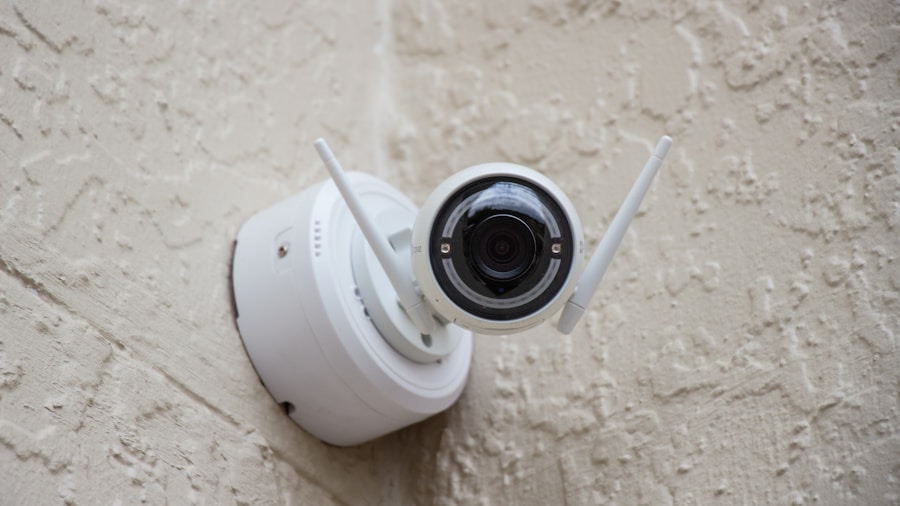
Apple’s entry into home security products represents a major development. The combination of smart cameras and doorbells integrated into Apple’s HomeKit ecosystem could provide end-to-end encryption and privacy protections that many consumers currently lack. This focus on security could differentiate Apple’s smart home platform from competitors and appeal to privacy conscious consumers who worry about data collection by Google or Amazon.
What Consumers Should Do Now
If you’re considering upgrading your smart home setup, waiting until later this fall may be prudent. The refreshed HomePod mini and Apple TV 4K with improved processors and AI capabilities could offer significantly better value than current models. For those investigating smart home security options, monitoring Apple’s announcement timeline could be worthwhile, though numerous established smart lock and camera solutions are already available from other manufacturers.
The broader lesson here is that Apple’s expansion signals growing consumer demand for integrated smart home solutions. Rather than managing separate ecosystems for lighting, security, audio, and climate control, shoppers increasingly want unified platforms that work seamlessly together. Competition from established players continues to drive innovation and lower prices across the entire smart home category.
As Apple rolls out these new products over the coming months and beyond, the smart home market will become more competitive and feature rich. Early adopters of Apple’s new hardware could benefit from cutting edge technology and deep integration with their existing devices, making this an opportune moment to pay attention to the company’s smart home evolution.











Write Your Review
No reviews yet. Be the first to share your experience!