

When space is limited, every furniture choice in your kitchen becomes critical. The right pieces can transform a cramped, closed-off cooking area into a warm, functional hub that feels generous and welcoming. Whether you’re renovating a cottage, apartment, or starter home, these practical furniture strategies will help you maximize your layout and create a kitchen that works as hard as it looks.
1. Embrace a One-Wall Layout Instead of Traditional Islands
If your kitchen is tight, a single-wall arrangement often works better than trying to squeeze in a central island. This layout keeps your work zone organized without eating up precious floor space. A one-wall setup allows you to maintain clear sightlines through the room, making it feel larger and more open. This approach is especially smart if your kitchen opens into a living area, as it prevents the cooking space from dominating the room visually.
2. Choose a Kitchen Table Over an Island
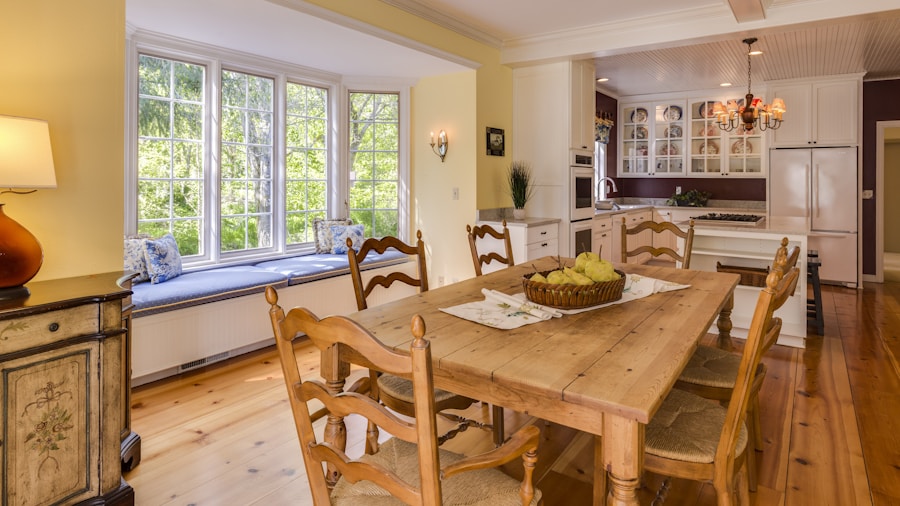
A dining table placed centrally in a small kitchen serves double duty: it becomes your prep surface and gathering spot without the visual bulk of a traditional island. Tables with turned legs and interesting details add charm while maintaining airflow through the space. This strategy also encourages a more social cooking experience where guests can gather around and participate in meal prep. Look for tables in dark wood finishes that anchor the room without making it feel heavier, and pair them with chairs that have decorative backs for visual interest without taking up too much floor space.
3. Opt for Freestanding Antique Storage Instead of Built-Ins
While built-in cabinetry maximizes storage, too many built-ins can make a small kitchen feel claustrophobic and one-note. Instead, add a freestanding antique cabinet or vintage credenza. These pieces provide functional closed storage while introducing personality and character that built-ins simply cannot match. An antique cabinet becomes a focal point rather than just backdrop, and it can be moved if your needs change. Multifunctional furniture gets a design makeover, offering storage that doubles as display space for collected ceramics or vintage finds.
4. Mix Open and Closed Storage Visually
The balance between open shelving and closed cabinetry matters in tight kitchens. Closed storage hides less attractive items and appliances, while open elements prevent the space from feeling too heavy or enclosed. Display your favorite pottery, glassware, or cookbooks on open shelves, but keep everyday clutter behind closed doors. This visual rhythm keeps small kitchens from feeling monotonous and gives you flexibility to style the room seasonally.
5. Use Color and Paneling to Add Depth
Rather than sticking with pale, neutral cabinetry, consider color-drenching your kitchen walls and woodwork in deeper, richer tones. This might seem counterintuitive in a small space, but a cohesive color scheme actually makes rooms feel more intentional and cozy rather than cramped. Full-room wall paneling with V-groove details adds architectural interest and dimension that makes the space feel more substantial. A bold color choice paired with classic furniture pieces prevents the kitchen from feeling too trendy or cookie-cutter.
6. Keep Nautical and Themed Decor Subtle
Decorative elements should enhance your furniture arrangement without overwhelming it. If your kitchen has a coastal or country vibe, let architectural details and authentic antique pieces tell that story rather than relying on obvious shell motifs or themed accessories. Door removal solves tiny apartment layout issues by opening up sightlines, and similarly, subtle decor keeps visual clutter minimal. Include vintage oars, rope-textured hardware, porthole mirrors, or captain’s trunks as accents rather than main focal points.
7. Select Textiles and Details That Tie the Scheme Together
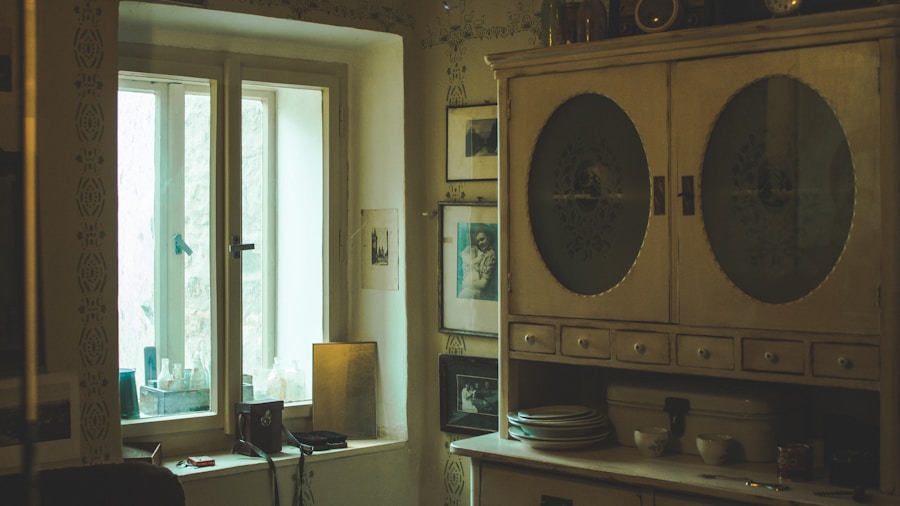
Striped cushions, vintage brass lighting fixtures, and cafe-style window treatments layer texture and personality into your furniture plan without requiring additional pieces. Textiles soften the kitchen aesthetically and can hide less attractive appliances or work areas. These finishing touches should feel collected and lived-in rather than matching or coordinated in an obvious way. Arizona patio finally complete with outdoor dining set shows how the right furnishings complete a space, and the same principle applies indoors.
Final Thoughts
Creating an inviting small kitchen comes down to thoughtful furniture selection and layout planning. By choosing freestanding pieces over built-ins, favoring tables over islands, and committing to a cohesive color story, you transform tight quarters into characterful cooking spaces that feel authentic and beloved. The key is selecting pieces that earn their space through both function and beauty.









Write Your Review
No reviews yet. Be the first to share your experience!