

A Creative Solution to Tight Apartment Living
A Brooklyn couple facing a cramped 415-square-foot apartment layout discovered an unconventional solution: removing the bedroom door entirely. After relocating from Los Angeles to Park Slope, they encountered a quirky floor plan with curved walls and an inward-opening bedroom door that made furniture arrangement nearly impossible. Rather than settling for a cramped, awkwardly arranged bedroom, they decided to take the door off its hinges and store it elsewhere in the apartment, opening up significantly more floor space for their belongings and movement.
This approach reflects a growing trend among renters and homeowners alike who are pushing creative boundaries to maximize every inch of their living spaces. The decision to remove the door was transformative for the couple’s ability to position their bed, nightstands, and other essential pieces in a functional layout. For many people living in smaller urban apartments, such unconventional choices represent the difference between a workable home and a frustratingly cramped one.
Safety Considerations Before Removing a Door
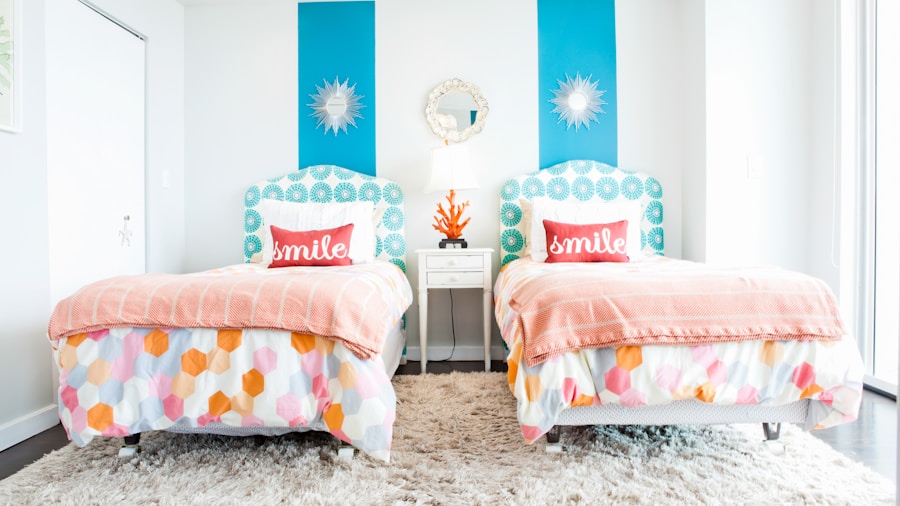
While the couple’s solution successfully freed up space, it comes with important safety tradeoffs that shoppers and renters should carefully weigh. Bedroom doors serve a critical protective function: they slow the spread of smoke, heat, and flames during a fire emergency. Fire safety experts recommend sleeping with bedroom doors closed as part of fire prevention strategies. Removing a bedroom door eliminates this layer of protection and should only be considered after consulting with your landlord and understanding the potential consequences.
Before making permanent changes to a rental property, always check your lease agreement and discuss the modification with your landlord. Some landlords may not permit door removal, and reinstalling a door later could damage the frame or walls. Renters should weigh the convenience gains against the loss of safety features and the potential consequences if they need to move out or if the landlord requires the door to be restored.
Maximizing Small Spaces With Strategic Furniture Choices
The Brooklyn apartment presented multiple layout challenges beyond the problematic door. A curved wall, limited square footage, and inherited design choices left the space feeling cluttered and uninviting. The couple tackled these constraints by carefully selecting furniture that served multiple functions and avoided taking up unnecessary floor space. Multifunctional furniture gets a design makeover in modern small spaces, with pieces designed specifically for compact living becoming increasingly popular among urban dwellers.
Strategic furniture placement and sizing matter enormously in tight quarters. The couple opted for a sectional sofa that fit the living area efficiently, added floating shelves to utilize vertical space, and chose a bed frame that didn’t dominate their bedroom. Using vintage and secondhand pieces from Facebook Marketplace also allowed them to find unique furniture without overspending, a practical approach for renters who may not want to invest heavily in permanent furnishings for temporary homes.
Color and Personality in Rental Spaces
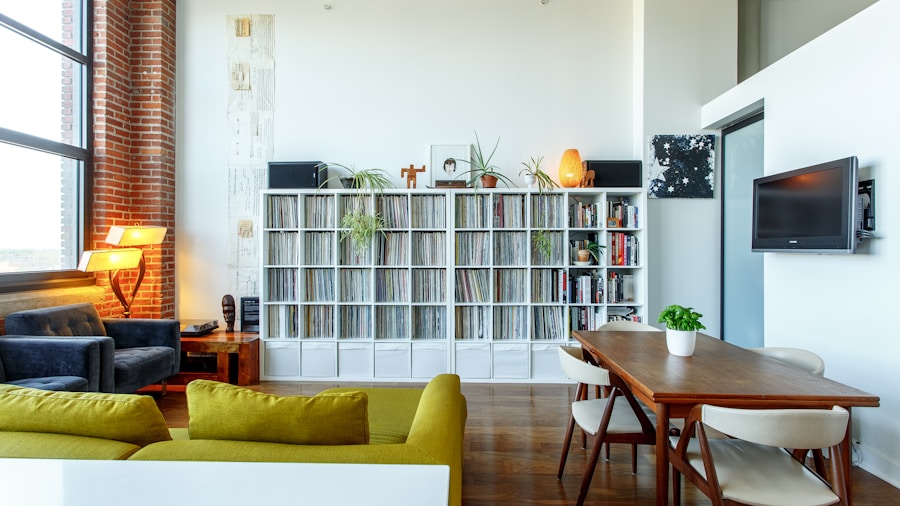
Working within the constraints of a rental property often means tenants cannot paint walls or make permanent structural changes. However, the couple demonstrated that color and personality can still flourish through carefully chosen furnishings, art, and accessories. They introduced bold hues through their furniture selections, including colorful dining chairs, vibrant area rugs, and artwork collected from friends and artists they admired. This approach transformed the space from a bland, inherited apartment into a home that reflected their values and aesthetic preferences.
For renters facing similar situations, artwork, textiles, and furniture can serve as the primary vehicles for personal expression. Window treatments, as new furniture collections continue to offer vintage-inspired options, can dramatically change a space’s appearance without permanent modifications. Strategic lighting through statement lamps and fixtures also creates ambiance and visual interest in smaller apartments.
Lessons for Shoppers in Tight Spaces
The Brooklyn couple’s experience offers several practical lessons for anyone furnishing a small apartment or rental. First, measure carefully and plan your layout before purchasing any large pieces. Second, prioritize quality and timeless design over quantity, since fewer well-chosen pieces create a calmer, more spacious-feeling environment. Third, invest in storage solutions that don’t occupy floor space, such as wall-mounted shelving and vertical organizers.
Living comfortably in under 500 square feet requires intentional decision-making about every item that enters your home. The couple’s willingness to work around architectural limitations, combined with their thoughtful furniture selections, demonstrates that small apartments need not feel cramped or impersonal. By understanding what works and what doesn’t in tight layouts, shoppers can make smarter furniture choices that enhance both functionality and enjoyment of their living spaces.











Write Your Review
No reviews yet. Be the first to share your experience!