

The way we think about furniture is evolving. Instead of viewing worn-out materials as waste destined for landfills, designers and conscious consumers are recognizing scrap as a valuable resource. Whether you are furnishing a new space or refreshing your current decor, understanding how to select and appreciate furniture made from reclaimed and recycled materials can help you make choices that align with both aesthetic and environmental values.
1. Understand the Source of Your Materials
Before purchasing a reclaimed furniture piece, learn where the materials originated. Did the piece come from discarded electronics, reclaimed wood, industrial waste, or post-consumer textiles? Understanding the material’s journey adds meaning to your purchase. For example, a table made from compressed forest byproducts carries a different story than one constructed from recycled metal. Each source material brings unique texture, durability, and environmental impact to consider when evaluating quality and longevity.
2. Appreciate Visible Imperfections as Design Features
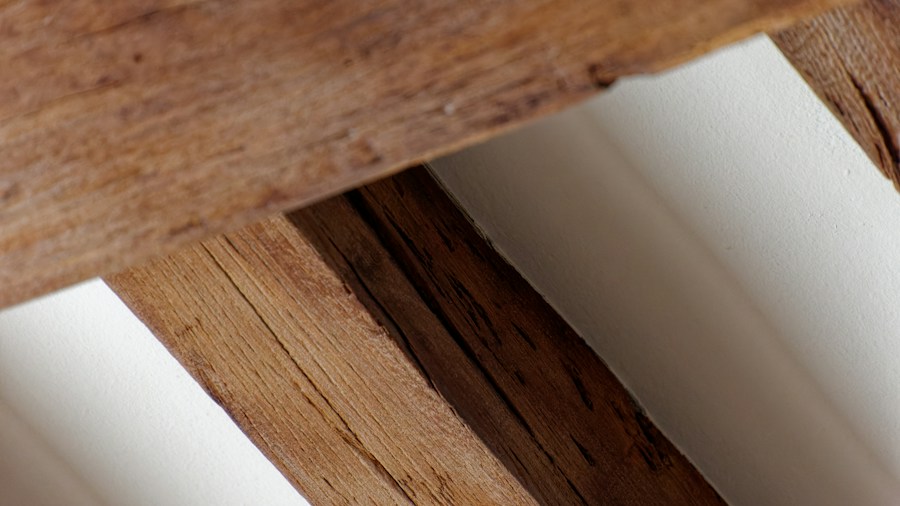
Unlike mass-produced furniture with uniform finishes, pieces made from scrap materials often display visible marks, welds, raw textures, and color variations. Rather than viewing these as flaws, recognize them as authentic design elements that celebrate the material’s history. A surface filled with terrazzo-like patterns from recycled fragments or a wooden chair showing traces of its reclaimed origin tells a story that polished, perfect furniture cannot. This authenticity is increasingly valued by consumers seeking pieces with personality and uniqueness.
3. Verify Structural Integrity and Craftsmanship
Sustainable furniture is not simply about using reclaimed materials; it must be well-constructed to last decades rather than years. Examine joints, welds, and finishes carefully. Quality craftsmanship ensures that your piece will withstand daily use and justify its role as a permanent fixture in your home. Look for pieces created by established designers or studios with proven experience in circular design. Smart furniture choices require evaluating both aesthetic appeal and practical durability to make purchases you will not regret.
4. Consider Versatility Across Rooms and Styles
Reclaimed furniture works best when it can adapt to evolving decor choices. A sculptural stools made from compressed materials or a table fashioned from recycled components should complement various design styles, from contemporary to eclectic. Think about how a piece might serve different purposes as your needs change. Budget-conscious furniture selection extends to sustainable pieces that prove luxury need not mean expense, allowing you to invest in quality without compromise.
5. Explore Functional Art and Statement Pieces
Furniture from reclaimed materials often blurs the line between utility and artistic expression. A decorative tray made from compressed denim fibers serves a practical function while displaying craftsmanship and creativity. Rather than viewing these pieces strictly as functional objects, appreciate them as conversation starters and focal points. Incorporating one statement piece made from recycled materials can elevate an entire room’s design while reducing your environmental footprint.
6. Support Innovation in Material Transformation
The designers and studios working with scrap materials are constantly pushing creative boundaries. By supporting these innovators through your purchases, you encourage further experimentation and refinement. Whether a piece incorporates recycled electronics, textile waste, or forest byproducts, your investment sends a market signal that consumers value sustainability alongside design quality. This growing demand drives technological advancement and makes circular design increasingly accessible.
7. Plan for Long-term Use and Potential Upcycling

Choosing furniture from reclaimed materials means committing to keeping pieces longer. Design your purchase with longevity in mind, selecting items that will remain functional and relevant for years. Consider whether the piece could be repurposed or passed along if your needs change. Innovative furniture design shows how creative approaches to construction materials reshape what home furnishings can become, suggesting your current purchase might inspire future uses you have not yet imagined.
Making the Shift Toward Conscious Consumption
Selecting furniture made from reclaimed and recycled materials is more than an environmental gesture; it is a choice to own pieces with authenticity, character, and genuine craftsmanship. As material costs rise and environmental awareness deepens, the appeal of sustainable furniture will only grow stronger. By following these practical tips, you can confidently navigate the expanding world of circular design and build an interior that reflects both your personal style and your values.












Write Your Review
No reviews yet. Be the first to share your experience!