

Why Pillows Turn Yellow: Understanding the Root Causes
Your once-pristine white pillow develops yellowish stains for a reason, and the culprits are usually hiding in your nightly routine. Understanding what causes these discolored patches is the first step toward keeping your pillow bright and fresh. The main villains are moisture and oils that accumulate on your pillow surface and eventually oxidize, turning from clear to that unsightly yellow shade.
Dermatologists confirm that sweat, natural skin oils, saliva, dead skin cells, and dampness from wet hair gradually seep through your pillowcase and into the pillow fill itself. When these substances combine with oxygen exposure, the oxidation process creates those stubborn yellow stains. The problem worsens if you tend to overheat at night, since increased sweating accelerates discoloration.
Five Habits That Damage Your Pillow
1. Sleeping with Wet or Damp Hair
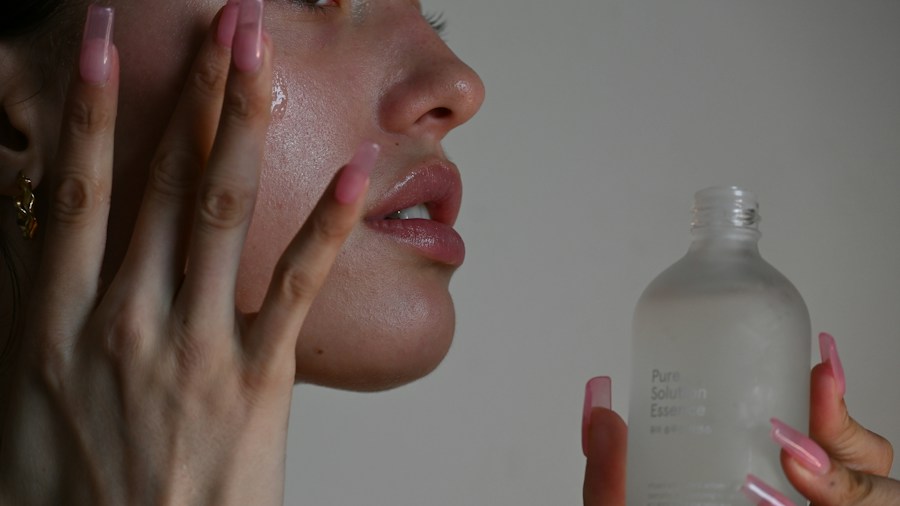
Heading to bed with wet hair might feel convenient after a long day, but it’s one of the fastest ways to yellow your pillow. The excess moisture from your damp hair seeps through the pillowcase and into the filling, where it oxidizes just like sweat does. Even if you use a pillow protector, persistent wet-hair bedtimes will eventually cause visible yellowing. Try drying your hair completely before sleep, or at minimum wait until your hair is damp rather than soaking wet.
2. Applying Skincare Products Right Before Bed
Beauty sleep products like retinol serums, overnight moisturizers, facial oils, and leave-in hair conditioners are excellent for your skin but terrible for your pillow. When you apply these rich, oily products and immediately lie down, they transfer directly onto your pillowcase and seep into the pillow fiber. Products with strong pigments like retinol are particularly notorious for staining. Sleeping with makeup still on compounds the problem even further.
3. Skipping Regular Pillow Washing
When you avoid washing pillowcases and pillows frequently, accumulated moisture and oils have time to deeply penetrate the fabric, creating stubborn stains that resist cleaning. Studies show that most people wash their pillowcases far less often than dermatologists recommend. Allowing sweat and product residue to sit and oxidize makes stain removal increasingly difficult.
4. Not Replacing Pillows on Schedule
Most pillows reach the end of their useful life around two years old. Beyond that point, pillow fibers naturally decay and deteriorate, and yellowing becomes unavoidable. If your pillow is simultaneously flat, unsupportive, and heavily stained, these are clear signs it needs replacement. Unfortunately, surveys show the average person keeps pillows well past their recommended lifespan.
5. Overheating While You Sleep
Night sweats accelerate yellow staining because sweat contains oils and minerals that oxidize quickly on fabric. If you naturally sleep hot or use heat-trapping bedding materials, your pillow will yellow faster than it should. Poor airflow around your pillow prevents moisture from evaporating, allowing stains to set deeper into the material.
Five Proven Prevention Strategies
Wash Your Pillow Every Three Months
Regular deep washing prevents sweat and oils from penetrating deep into the pillow core. Wash your pillowcases at least once weekly, more frequently if you sweat heavily or have oily skin. For the pillow itself, follow care label instructions since foam, latex, feather, and synthetic pillows require different cleaning methods. Most washable pillows can handle cleaning every three to six months.
Add a Pillow Protector Layer
A waterproof pillow protector acts as a barrier between your skin and the actual pillow, stopping sweat and product residue from reaching the filling. Machine-washable protectors make maintenance simple while providing substantial safeguarding. This single addition dramatically extends pillow life and prevents staining.
Apply Skincare an Hour Before Bedtime
Make skincare the first step of your evening routine, not the last. Applying makeup removal and lotions at least an hour before sleep gives your skin time to fully absorb these products. By bedtime, your skin will be dry rather than oily, significantly reducing transfer onto your pillowcase. This timing adjustment is one of the easiest preventive measures you can implement.
Switch to Breathable Pillowcase Fabric
Replace heat-trapping synthetic materials like polyester or satin with naturally moisture-wicking options such as cotton, bamboo, linen, silk, or Tencel. These breathable fabrics promote airflow and reduce nighttime sweating, directly limiting moisture buildup and yellowing. A fabric upgrade often feels better against skin while protecting your pillow investment.
Replace Your Pillow Every Two Years
Even if you follow all other prevention steps perfectly, pillows naturally age out. Investing in a new pillow every two years ensures you’re never sleeping on a decaying, yellowed product. An old unsupportive pillow contributes to neck pain and poor sleep quality, making replacement a health investment, not just an aesthetic one.
Getting Started Today
You don’t need to implement all five strategies simultaneously. Start by adjusting one or two habits this week. Dry your hair before bed, wait longer after applying skincare, or pick up a pillow protector. Each change reduces yellowing and extends your pillow’s lifespan. Combined over time, these practical adjustments keep your pillow bright white while improving your overall sleep environment.











Write Your Review
No reviews yet. Be the first to share your experience!