

Making Room for Meals in Tight Layouts
When you’re managing a modest apartment or small home, the idea of carving out a proper dining zone can feel like a fantasy. Between a cramped living room, a galley kitchen, and limited square footage, finding space for both a table and chairs seems impossible. However, interior designers and small space experts confirm that functional, stylish dining areas are absolutely achievable in apartments and homes of any size. The key lies in selecting the right furniture pieces and applying smart design strategies that maximize your available footprint.
With thoughtful planning and multipurpose furniture selections, you can transform an underused corner or alcove into a gathering spot that serves both everyday meals and weekend entertaining. This approach means investing in pieces that work double duty, creating clear visual boundaries within open layouts, and using lighting and reflective elements to expand the perceived size of your dining zone.
Building Your Foundation with Adaptable Dining Sets
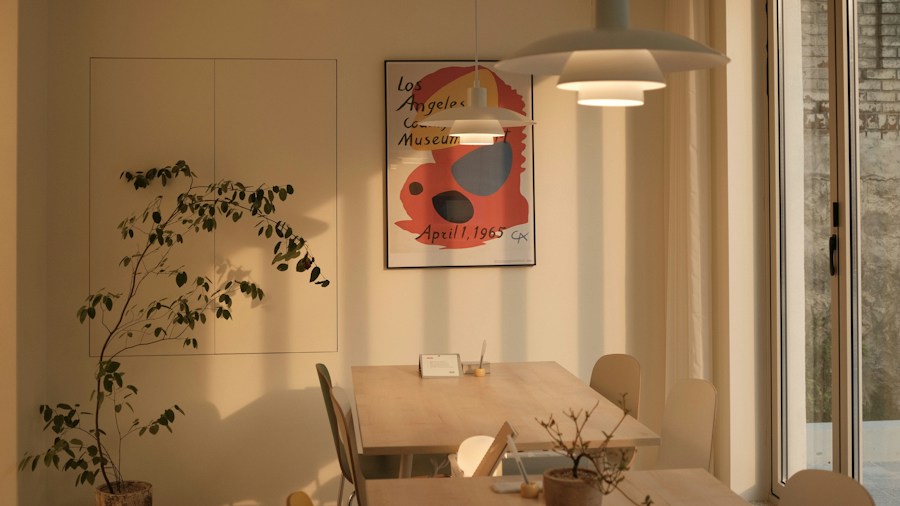
The centerpiece of any small space dining concept must balance daily functionality with occasional hosting. An extendable dining table becomes your best ally here, allowing you to keep your footprint compact during routine meals while expanding surface area when guests arrive. Look for sets that pair rich wood tones with upholstered seating in complementary colors. This mix prevents the space from feeling too matchy and creates visual interest around the table.
One smart styling choice involves selecting dining chairs that can transition beyond the eating area. Upholstered chairs in accent colors like sage green or soft blue can easily move into your living room as extra seating for movie nights or reading nooks. This flexibility means your furniture investment works harder throughout your entire home, not just during formal dinners. When evaluating dining sets for compact spaces, prioritize pieces with streamlined legs rather than bulky pedestals, as this design choice keeps sightlines open and maintains a sense of airiness.
Creating Visual Boundaries Without Crowding
Open-concept apartments and studios require intentional ways to define separate zones. Storage furniture serves double duty here by functioning as both organizational solutions and visual dividers. A well-chosen bookcase or shelving unit acts as a floating room divider, marking where your living area ends and your dining space begins while keeping light and sightlines clear.
Beyond a divider, incorporate a compact bar cabinet or sideboard adjacent to your dining table. These pieces offer dedicated closed storage for dinnerware, entertaining glassware, and table linens without consuming valuable real estate. The benefit of closed storage in small spaces cannot be overstated: it keeps visual clutter at bay while ensuring that your tablescape and surrounding area feel intentional and curated rather than cramped.
Lighting and Mirrors Transform Perception
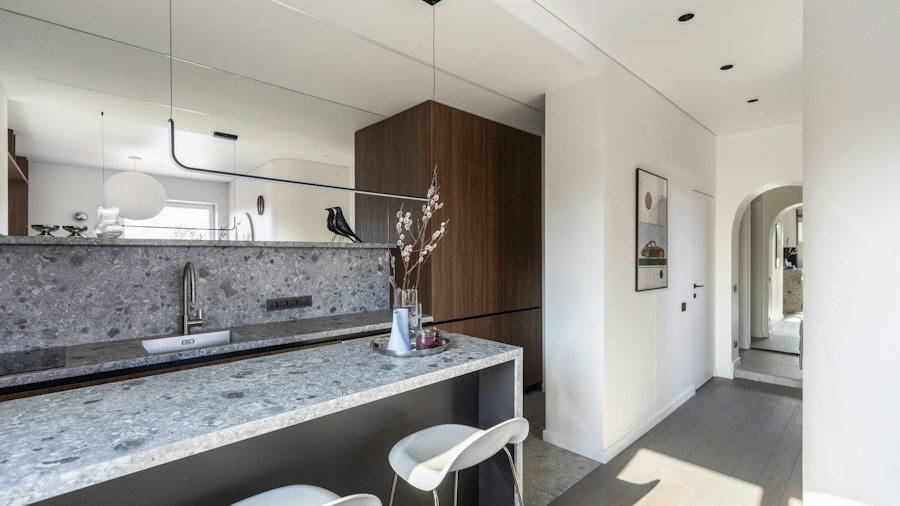
Proper lighting anchors any dining space and creates the ambiance necessary for enjoyable meals. A pendant light suspended above your table keeps precious floor space clear while bathing the eating area in warm, focused illumination. Position it at a height that allows clear sightlines across the room, typically 30 to 36 inches above the tabletop.
Mirrors deliver one of interior design’s most powerful small space tricks: reflecting both natural and ambient light to create an illusion of greater depth and roominess. A wall-mounted mirror opposite a window bounces daylight throughout your dining area, making the space feel larger and more open than it actually is. This optical expansion costs nothing but the mirror itself and installation, making it one of the smartest investments for compact dining zones.
Layering Tabletop Accents for Polish
Even when you’re not actively hosting dinner, your dining table should look intentionally styled. Small decorative pieces like a simple glass vase, a marble tray, or a few carefully chosen dining accessories create the impression of editorial polish. These finishing touches prevent your setup from feeling sparse or temporary, transforming your dining nook into a design-forward gathering space.
The approach to small space dining succeeds when every piece serves a purpose while maintaining visual lightness. By combining an adaptable dining set, smart storage solutions, strategic lighting, and reflective elements, you create a functional and beautiful eating area within your compact home. The result is a space where dinner parties and everyday meals feel equally at home, proving that square footage need never limit your entertaining dreams.










Write Your Review
No reviews yet. Be the first to share your experience!