

New Packaged Heat Pump Promises Major Energy Savings for Food and Beverage Manufacturers
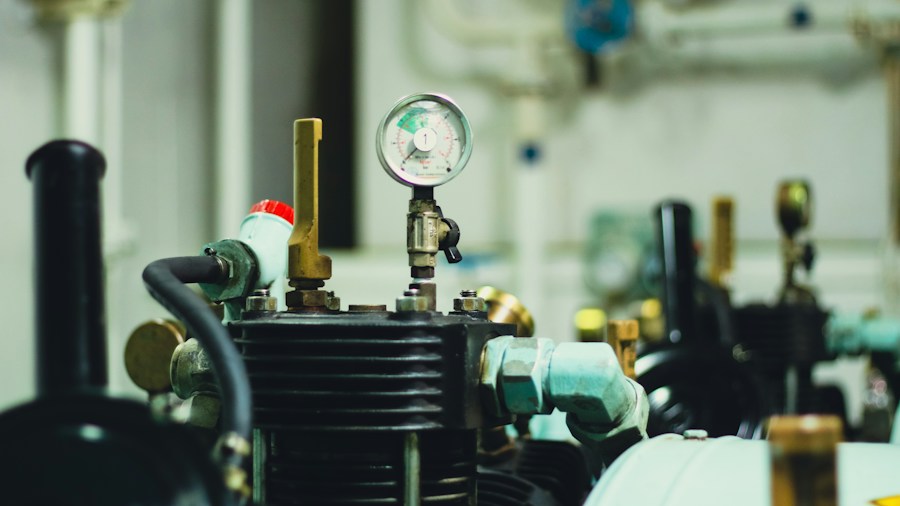
Johnson Controls has introduced the Frick HeatPAC, a reciprocating ammonia heat pump designed specifically for food and beverage processing facilities. This development marks a significant step forward in industrial thermal management, offering manufacturers a way to recover waste heat from existing refrigeration systems and put it to productive use.
How the HeatPAC Works and Why It Matters
The HeatPAC system captures waste heat that food and beverage manufacturers generate during cooling and refrigeration processes, then converts that thermal energy into high-temperature hot water. This recovered heat can be used for pasteurization, sanitation, and facility space heating, eliminating the need to purchase or generate that energy separately. Food processing plants typically run cooling operations in some areas while simultaneously needing heat in others, making the HeatPAC an efficient bridge between these competing demands.
Johnson Controls claims the HeatPAC delivers efficiency levels up to seven times greater than traditional natural gas boilers for typical food and beverage applications. In a modeled scenario involving a cheese producer needing 2,000 kilowatts of 140-degree hot water, the company projects annual energy cost reductions of up to 40 percent compared to conventional boiler systems. As energy costs continue to rise, such savings can meaningfully improve operating margins for processing facilities.
Factory-Built Design Reduces Complexity and Cost
A major advantage of the HeatPAC lies in its standardized, fully assembled factory design. Unlike traditional engineered-to-order industrial heat pumps that require lengthy custom builds, the HeatPAC arrives pre-tested and ready for installation. This approach shortens lead times by weeks and reduces upfront investment costs, making it an attractive option for manufacturers who cannot afford extended construction schedules or budget overruns.
The unit is built around the Mark 5 Sabroe reciprocating compressor platform and offers heating capacity ranging from 200 kilowatts to 2,000 kilowatts, with hot water temperatures from 130 degrees to 190 degrees Fahrenheit. Its compact design includes a fully welded plate-and-shell condenser, integrated desuperheater, and two-stage oil separation technology that maximizes heat exchanger performance. The ammonia charge is kept to just 87 pounds, minimizing environmental impact and safety concerns.
Smart Controls and Integration Capabilities
Every HeatPAC unit comes equipped with a Frick Quantum HD controller featuring Unity architecture, allowing seamless integration with diverse plant control systems. A 15-inch touchscreen interface can be customized for specific applications and linked with other refrigeration equipment throughout the facility, enabling coordinated operation and remote monitoring capabilities. This level of control flexibility helps facility managers optimize performance across multiple systems simultaneously.
To help prospective buyers evaluate whether the HeatPAC makes financial sense for their operation, Johnson Controls offers Frick Coolware selection software. Users input their application parameters, and the tool estimates the amount of waste heat available, projected efficiency levels, heat recovery potential, and operating cost savings. EU research funding efforts for heat pump technology underscore growing industry recognition of these systems’ importance.
What This Means for Buyers and Plant Operators
For food and beverage manufacturers struggling with rising energy bills, the HeatPAC offers a practical path toward substantial cost reduction without disrupting production. The system works within existing refrigeration infrastructure, requiring no major facility overhauls. The relatively quick installation timeline compared to engineered alternatives means less downtime and faster payback on investment.
Beyond immediate cost savings, adopting waste heat recovery technology strengthens a company’s competitive position. Manufacturers increasingly face pressure from customers and regulators to demonstrate energy efficiency improvements. Implementing solutions like the HeatPAC provides measurable proof of commitment to sustainable operations. Hybrid heating approaches are gaining traction across multiple sectors, reflecting broader industry momentum toward thermal efficiency.
The standardized, pre-packaged nature of this heat pump also reduces the technical expertise required during selection and commissioning phases. Johnson Controls’ design team has already addressed common engineering challenges, meaning facility managers can focus resources on day-to-day operations rather than lengthy equipment specification processes. For companies operating on tight budgets or with limited engineering staff, this streamlined approach delivers clear practical value.
Looking Ahead
As industrial energy costs remain elevated and environmental regulations continue tightening, waste heat recovery systems are becoming less of a luxury option and more of a business necessity. The HeatPAC’s combination of proven efficiency gains, simplified procurement, and rapid deployment makes it a noteworthy entry in the industrial heat pump market. Food and beverage processors considering their next equipment upgrade should evaluate whether the HeatPAC aligns with their long-term cost reduction and sustainability objectives.











Write Your Review
No reviews yet. Be the first to share your experience!