

A Designer’s $5K Dining Room Overhaul Teaches Shoppers a Critical Lesson About Table Lamps
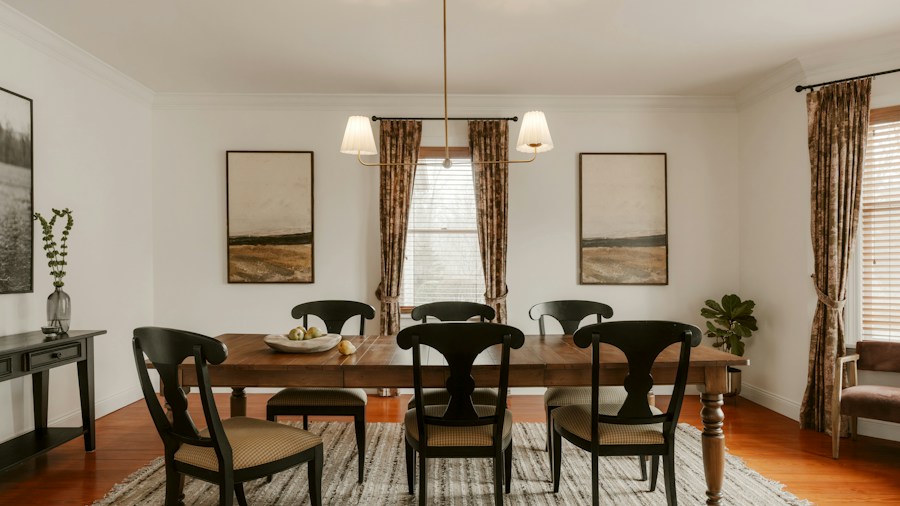
When a homeowner decided to gut her outdated 1980s dining room and rebuild it from scratch, she uncovered a design principle that most shoppers overlook: lighting strategy should come first, not last. Her dramatic transformation from sterile orange-and-white space to a moody, collected-looking room with deep green walls and vintage furnishings cost $5,000 total, but the biggest payoff came from how she approached her lighting plan.
Why Lighting Comes Before Everything Else
The homeowner’s first piece of advice to anyone tackling a dining room renovation sounds counterintuitive. “Moody, cozy rooms rely on good lighting,” she explains. “Layer your light sources, overhead lighting alone isn’t enough. Add wall sconces, picture lights, or even a table lamp on a credenza. Don’t wait until the end to think about wiring.”
This insight matters for shoppers because most people approach home design backward. They pick paint, furniture, and flooring first, then scramble to find lighting that fits what’s left. The result is often a room that feels bright and harsh during the day, then gloomy at night. By considering how table lamps and other fixtures work together early, you can actually wire walls properly and place outlets where they make sense.
Her dining room now features a layered approach: overhead chandelier lighting, wall sconces, candelabra accents, and strategically placed table lamps on the credenza. The result feels candlelit and intentional, not like an afterthought.
Removing Dated Elements Opens Design Possibilities
The original dining room had two major design anchors working against any update: terracotta tile flooring and bright white walls. Both screamed 1980s, and both made the space feel sterile and disconnected. Removing these elements was the first real step forward.
Once the tiles came out, the homeowner replaced them with warm wood tones that instantly grounded the space and made it feel inviting. She also knocked down a wall between the dining room and kitchen, creating flow rather than compartmentalization.
Paint Color Sets the Entire Mood
With the structural work done, she chose Benjamin Moore’s “Vintage Vogue” green for the walls, adding picture-frame molding to create depth and an old-world aesthetic. The green serves as the foundation for everything else in the room, from furniture selection to how contemporary lighting fixtures integrate visually.
This is crucial for shoppers to understand: once you commit to a wall color, that choice ripples through every other decision. Your table lamps, candlesticks, framed art, and wood furniture all need to feel cohesive with that color story. The homeowner kept warm wood tones throughout, avoiding the chaotic “I bought everything separately” feeling that derails many DIY projects.
Vintage and Thrifted Pieces Need a Unifying Strategy
One reason the transformation feels “collected” rather than cluttered is intentional curation. The homeowner used ladder-back chairs, an old credenza, and vintage frames sourced from thrift stores and flea markets, but she applied a clear filter: wood tones that complement each other, even if they don’t match exactly.
For the gallery wall above the credenza, she mixed vintage and secondhand frames, spraying some to unify the look while keeping others in their original worn finishes. Soften hard edges with textures like fur seat covers, linen runners, and dried florals like pampas grass to make the space feel warm and collected.
Built-In Bookcase Becomes the Showpiece
One highlight of the project was a DIY built-in corner bookcase topped with a sconce. This detail alone changed how the entire room felt. Made from inexpensive MDF boards with basic trim added for a custom look, the project cost only $150 including the light fixture. For shoppers interested in similar projects, she recommends sketching thoroughly, double-checking measurements, and bringing your plans to a hardware store so they can make cuts for you.
The key takeaway: don’t skip on lighting details. Even in a corner bookcase, a well-placed sconce transforms a functional storage piece into a design moment.
What This Means for Your Own Project
If you’re considering a dining room refresh, this $5,000 transformation offers real lessons. Start by thinking about lighting placement and layering before you paint or purchase furniture. Choose a wall color that excites you, then build your material palette around it. Hunt for vintage and thrifted pieces, but keep them tonally cohesive. Consider accent options like affordable cordless table lamps that offer flexibility without wiring complexity.
Most importantly, understand that good design isn’t about spending the most money. It’s about planning early, making intentional choices, and understanding how every element from paint to lighting works together to create mood and personality.









Write Your Review
No reviews yet. Be the first to share your experience!