

A 1928 home bathroom that felt stuck in the early 2000s has been successfully transformed into a classic space that matches the home’s original character. The renovation is now drawing attention as a case study in how modern shopping platforms can streamline the design and sourcing process for major home projects. For shoppers considering their own bathroom upgrades, this real-world example offers valuable lessons about planning, product selection, and avoiding costly mistakes.
Understanding the Starting Point
The original bathroom featured all the telltale signs of a dated renovation: frosted glass shower doors, low-slung toilets, rainbow-striped wall tiles, and harsh fluorescent lighting. White floors with pink grout showed every speck of dust, while a drop ceiling with office-style tiles kept the space feeling institutional rather than residential. The wood vanity was peeling, storage was minimal, and nothing in the room reflected the home’s actual age or the design direction of the rest of the house.
When a pipe behind the shower wall began acting up after a few years of ownership, the homeowners decided to tackle a complete overhaul. The goal was straightforward: create a bathroom that honored the 1920s character of the house while incorporating modern conveniences and updated fixtures.
How One-Stop Shopping Changed the Process
Rather than bouncing between multiple showrooms and home centers, the homeowners turned to Wayfair to source nearly everything for the project. This decision simplified what could have been an overwhelming process. The platform’s breadth of inventory, from plumbing and faucets to tiles and bathroom hardware, meant fewer trips and easier tracking of orders and delivery dates. Many items qualified for free shipping, and the consolidated checkout process reduced friction in the design phase.
This approach proved especially helpful for someone without professional design experience. The ability to browse a vast selection in one place while building a cohesive vision made decision-making faster and more manageable. As the design plan took shape during shopping, specific product choices solidified the overall aesthetic.
Design Decisions That Define the New Space
The renovation introduced a sophisticated two-tone wall treatment: sage green tiles covering the bottom two-thirds of the walls, with vanilla tiles on the upper third. A black pencil tile trim borrowed from 1920s design separated the two colors. This classic-meets-contemporary approach carried onto the tub surround, mimicking the custom built-in fixtures seen in luxury hotel bathrooms.
The flooring shifted from problematic white tile with pink grout to black mosaic with white centers, eliminating maintenance headaches while adding visual interest. A statement vanity became the room’s focal point, offering substantial closed storage with two large drawers and a marble countertop integrated sink, a significant upgrade from the original setup.
For storage beyond the vanity, a fully recessed 36-inch medicine cabinet with a matte black frame provided streamlined organization while maintaining the refined aesthetic. If you are looking for additional storage solutions throughout your home, consider exploring storage alternatives beyond standard options to maximize functionality in any room.
Fixture and Hardware Selection
Keeping all plumbing fixtures from a single manufacturer, Kohler, ensured color consistency and a cohesive look. The brushed moderne brass finish added warmth throughout. Traditional styling choices, such as the Memoirs toilet with minimal base exposure, prioritized both aesthetics and easy cleaning.
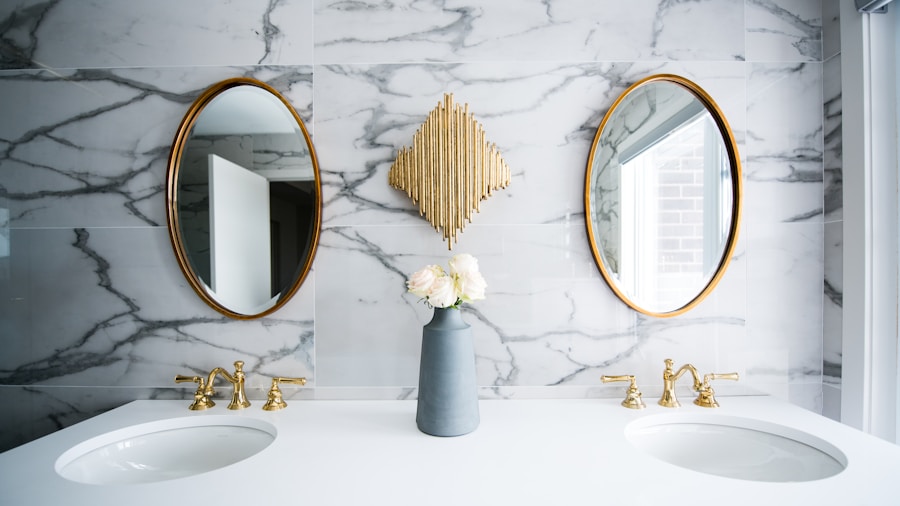
Lighting shifted from harsh fluorescent to a combination of a mid-century wall sconce in gold and a matte black LED ceiling fixture. These choices balanced the tile-heavy design with contemporary touches. Well-placed mirrors in the right finish can further enhance a bathroom’s functionality and light distribution.
Learning From Mistakes

The renovation revealed an important pitfall: relying solely on AI recommendations for technical product decisions. When choosing between two tub models, using an AI tool without full specifications led to ordering a tub incompatible with the existing wall configuration. This mistake required a third order and added unexpected costs. The lesson is clear: for complex products with specific installation requirements, professional guidance remains invaluable.
The Final Result and Timeline
The project took approximately two months from start to finish, which is fairly typical for renovations. The finished bathroom now feels like a luxury hotel retreat, complete with heated toilet seat, strong rainfall showerhead, and floor-to-ceiling tile work. The design successfully bridges the home’s original 1928 character with modern comfort.
For homeowners planning their own bathroom upgrades, this renovation demonstrates that consolidating purchases through a comprehensive retailer, maintaining a clear design vision, and building a trusted contractor team can yield professional results. The key is balancing ambition with flexibility, especially when unexpected structural challenges arise.










Write Your Review
No reviews yet. Be the first to share your experience!