

When you are shopping for curtains, it’s easy to fixate on size, color, and fabric type. Yet one critical detail that shoppers frequently overlook can determine whether your window coverings look polished and professional or cheap and unfinished: the hem. The way a curtain is hemmed affects both how it looks in your space and how well it functions to block light and stay in place.
Many people don’t realize that a poorly executed hem or no hem at all can instantly signal low quality, even if you selected an otherwise lovely fabric. Conversely, a well-constructed hem adds weight to the fabric, allows it to drape evenly, and creates the illusion of a much more expensive purchase than what you actually spent. Understanding curtain hem options and choosing the right one for your specific window covering can transform your room’s appearance.
Why Curtain Hems Matter
A hem is far more than a cosmetic detail. When fabric is folded and sewn at the bottom, the hem serves multiple purposes. It adds weight so the curtain hangs straight and doesn’t bunch or wrinkle. It keeps the fabric in place when you close the curtains, preventing gaps that allow light to seep through. Over time, a properly hemmed curtain will maintain its appearance and last significantly longer than one without adequate hemming.
The difference between a finished hem and no hem is immediately visible. Hemmed curtains fall to a consistent length across the entire panel, creating clean lines that frame your windows beautifully. Without a hem, fabric edges fray, the curtain hangs unevenly, and the overall effect looks incomplete or amateur. For renters and homeowners alike, paying attention to this detail is one of the easiest ways to elevate your decor instantly.
Choosing the Right Hem Type for Your Curtains
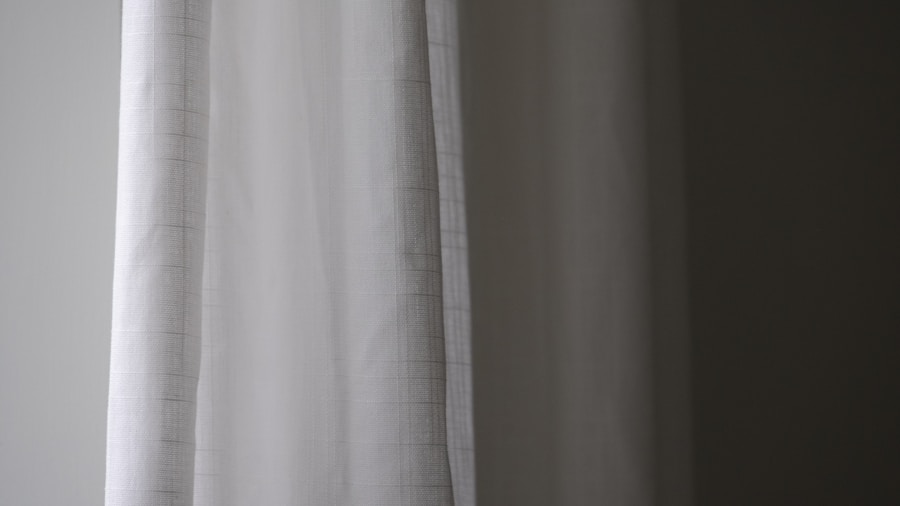
Not all hems are created equal. The best choice depends on your fabric weight, curtain length, and how much light control you need. Weighted hems work best for thicker, full-length, or blackout curtains. Small weights are sewn directly into the bottom fold of the fabric, preventing movement and ensuring the curtain stays firmly in place to block out light completely. This option is ideal if you’re looking for maximum light blocking and a stationary appearance.
For lighter-weight fabrics like polyester or sheer materials, a blind stitch hem is often preferable. This sewing technique creates invisible seams along the bottom edge, giving the curtain a clean, seamless look without visible stitching. The blind stitch works particularly well for budget-friendly options where you want to maintain a refined appearance.
The standard doubled-folded hem is the most versatile option and works across most fabric types and weights. This traditional approach involves folding the fabric twice at the bottom and stitching it securely. It provides adequate weight without the bulk of a weighted hem and creates a finished look suitable for casual and formal spaces alike. Even budget-friendly curtains under five dollars can benefit from proper hemming techniques that ensure durability and appearance.
How to Get the Right Hem for Your Space
You have several options for achieving properly hemmed curtains. Many retailers offer professional hemming services when you purchase curtains online or in-store. This ensures accurate measurements and expert execution, taking the guesswork out of the process.
If you prefer a DIY approach, you don’t necessarily need sewing skills. No-sew hem tape and adhesive options are available for those who want to avoid a needle and thread. Alternatively, you can order pre-hemmed curtains in the correct size for your windows, which eliminates the need for any adjustment work on your part.
For those with basic sewing ability, hemming curtains yourself is entirely feasible. The key is taking accurate window measurements before placing your order. Adding creative hem finishes, like decorative beading or unique fabric treatments, can even become a design statement that reflects your personal style.
What This Means for Shoppers
When comparing curtain options online or in stores, examine the hem closely. Look at product photos from multiple angles and read customer reviews that mention construction quality. A curtain with a quality hem may cost slightly more upfront but will look better, perform better, and last longer than one with shoddy or missing hemwork.
Budget constraints don’t mean you have to compromise on the hem. Even simple, affordable curtains can serve as a foundation for elegant window displays when paired with proper hemming and creative styling touches. The hem is your opportunity to elevate even the most basic window covering into something that looks thoughtfully designed and professionally finished.











Write Your Review
No reviews yet. Be the first to share your experience!