

A growing number of homeowners are discovering that the coffee table doesn’t have to stay in the living room. What started as a creative solution to furniture overflow has evolved into a legitimate interior design strategy, particularly in kitchens. This unconventional placement is changing how people think about both furniture function and entertaining at home.
How the Kitchen Coffee Table Trend Started
The trend gained traction when creative homeowners faced a familiar dilemma: they loved multiple pieces of furniture but lacked the space to display them all. Rather than parting with beloved items, some decided to reimagine where these pieces could live. A Los Angeles homeowner and floral designer discovered this solution when she acquired a new coffee table from a contemporary furniture brand but couldn’t bear to part with her vintage multicolored marble vintage piece from eight years prior. Both tables were too beautiful to let go, so she started exploring underutilized spaces in her home.
The small nook in her kitchen near a bedroom entrance became the perfect candidate. She positioned a bench in front of large French windows and placed one of her coffee tables in front of it, creating an inviting corner that had previously gone unused. The result was unexpectedly stunning and functional in ways she hadn’t anticipated.
The Hosting Advantage
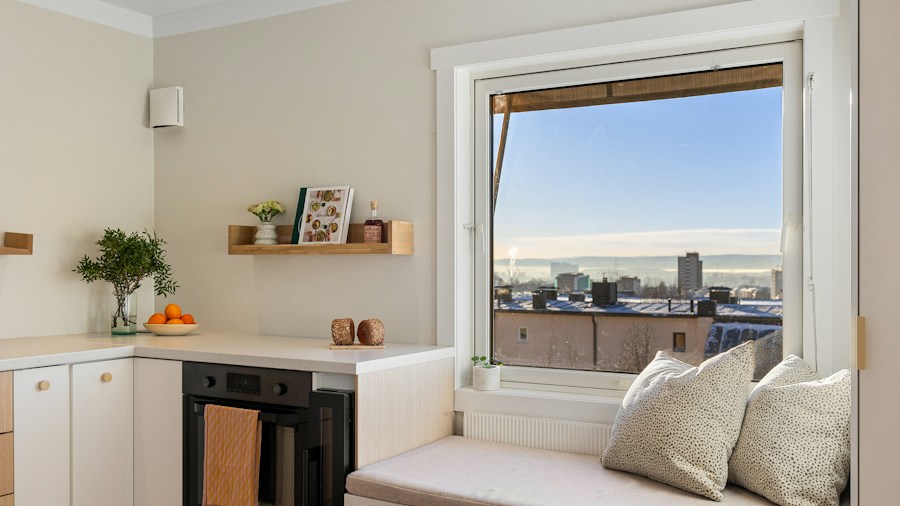
Perhaps the most practical benefit of placing a coffee table in the kitchen is how it transforms the entertaining experience. When guests gather during meal preparation, they’re no longer stuck at a distance from the host. A kitchen coffee table provides comfortable seating where visitors can sit, converse, and even enjoy drinks while watching the cooking action unfold. This creates a more intimate, connected atmosphere than traditional kitchen barstool seating alone.
The setup works particularly well for people who enjoy hosting regularly and want their guests to feel included in the kitchen activity rather than isolated in another room. It’s a simple but effective way to bridge the gap between chef and company. The styling approach emphasizes casual, lived-in aesthetics that make both the furniture and the entertaining space feel approachable and welcoming.
Practical Considerations for Shoppers
If you’re considering this trend for your own home, start by identifying underutilized kitchen areas. Nooks near windows, corners near entrances, or unused floor space can all work, provided there’s enough room for safe movement around the kitchen during cooking. You’ll also want to ensure the coffee table’s dimensions and style complement your kitchen’s aesthetic.
Durability matters in a kitchen environment. Consider tables with surfaces that can withstand occasional spills, moisture, and the general wear of a high-traffic space. Some homeowners have successfully repurposed thrifted tables as multifunctional kitchen pieces, proving that you don’t need to buy new furniture to make this work.
Style and Function Combined
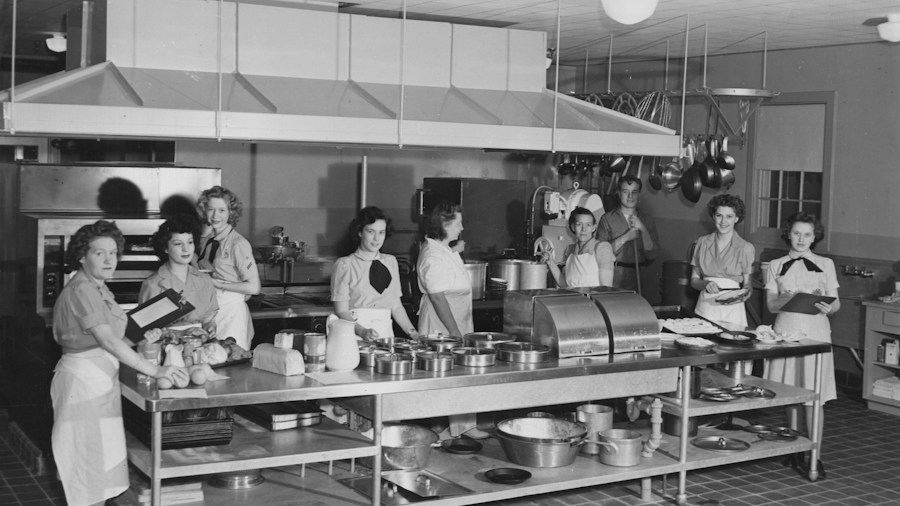
The beauty of the kitchen coffee table trend lies in its flexibility. It serves as a functional seating area, a decorative accent, and a conversation focal point all at once. Whether your table is vintage, modern, marble, wood, or painted, it becomes part of your kitchen’s overall design story rather than hidden away in a formal living room.
This approach aligns with a broader shift toward multifunctional furniture and intentional home design. Rather than strict rules about where pieces belong, today’s homeowners are asking what works best for their lifestyle and entertaining style. Coffee tables are increasingly recognized as design features worthy of attention, whether in traditional or unexpected locations.
Making the Space Work for You
Success with a kitchen coffee table depends on thoughtful planning. Measure your space carefully, consider traffic flow, and test the arrangement before committing. Think about whether you’ll use the seating regularly and whether it genuinely improves your daily life and entertaining experience.
The trend also gives permission to experiment with unconventional furniture placement throughout your home. If a coffee table works in the kitchen, what about a bookshelf in an entryway, a dining table in a bedroom, or a side table in a hallway? The key is solving a real problem or creating genuine value, not simply following a trend for trend’s sake.
As more homeowners embrace this flexible approach to interior design, the kitchen coffee table is becoming less of a quirky one-off and more of a recognized style strategy. For shoppers considering this move, the evidence suggests it can truly enhance both the aesthetic and functionality of your space.











Write Your Review
No reviews yet. Be the first to share your experience!