

The way we decorate our homes is becoming more personal and intentional, and that shift is reshaping even the smallest design choices. Decorative bowls, once relegated to simple round shapes, are now being reimagined as statement pieces. Organic, asymmetrical ceramic bowls with handcrafted imperfections are trending as homeowners seek ways to inject personality into their spaces. This shift reflects a broader movement toward authentic, curated interiors that feel less like showrooms and more like genuine homes.
Designer and ceramic experts agree that handmade aesthetic qualities are driving this change. The key appeal is that flaws become features. Rather than pursuing factory-perfect symmetry, contemporary interior design celebrates the unique variations found in handcrafted pieces. Brands and artisans are responding to growing demand for bowls that look intentionally imperfect, with uneven rims, organic glazing patterns, and sculptural forms. For anyone updating their home decor, understanding this trend can help you make smarter purchasing decisions.
Why Asymmetrical Bowls Are Becoming the Default Choice
Search interest in achieving an organic modern aesthetic has surged, and decorative sculptural bowls have become central to that look. These pieces work because they look handmade and unique, which creates the impression of a carefully curated home rather than something assembled from mass production catalogs. Los Angeles-based designer Jenna Cooper has advocated for selecting decorative objects that appear artisanal, recommending pieces like asymmetrical stoneware bowls on pedestals as affordable ways to add organic texture without buying new furniture.
The appeal extends beyond pure aesthetics. An asymmetrical bowl can serve dual purposes in your home. Use a sculptural bowl as a coffee table centerpiece for maximum visual impact, or position it in an entryway console to hold everyday essentials like keys and mail. This versatility makes them practical investments, not just decorative indulgences. The organic, irregular edges that define this trend also make each bowl feel one-of-a-kind, which aligns with how modern consumers want their homes to reflect their individual taste.
How to Choose the Right Sculptural Bowl for Your Space
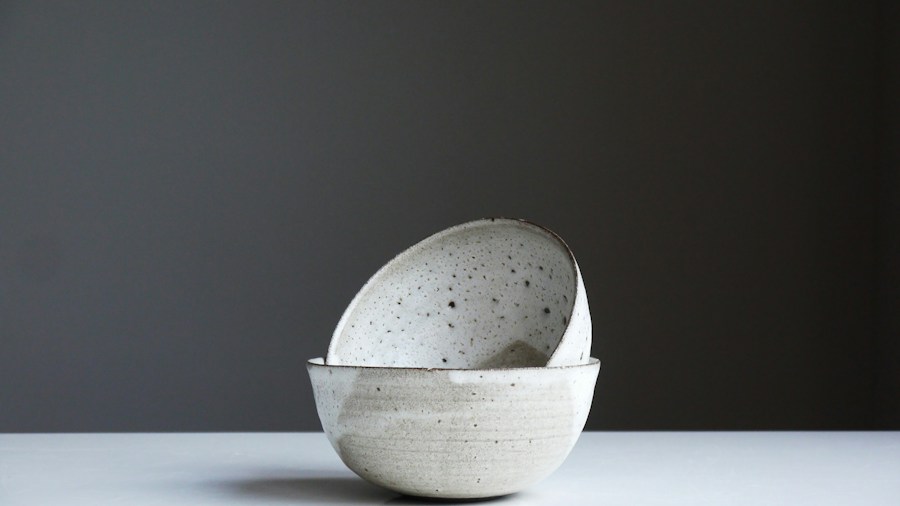
When selecting a decorative bowl, start by clarifying its primary function. If you want a purely aesthetic focal point, you can embrace more dramatic designs with reactive glazes and pronounced asymmetry. These bold pieces work beautifully as standalone coffee table centerpieces, drawing the eye without competing with other decor. If you need the bowl to serve a practical function, prioritize depth and durability so it can hold everyday items without looking cluttered.
Pattern and color offer another layer of customization. Interior designers like Emily Henderson have created collections inspired by Parisian Art Deco, showcasing ceramic bowls with abstract patterns that anchor a neutral color palette. This approach allows you to introduce visual interest without overwhelming your space. Pairing sculptural bowls with other curated pieces creates a cohesive, intentional look that feels effortlessly sophisticated.
Designer Leanne Ford’s collection for major retailers emphasizes imperfect, earthy ceramics with free-form edges and glazed finishes. This aesthetic resonates because it rejects the sterile perfection that defined earlier design eras. Medium-sized bowls with glazed, organic edges work in almost any interior, whether you favor minimalist, maximalist, or eclectic styles.
Styling Your Sculptural Bowl Display
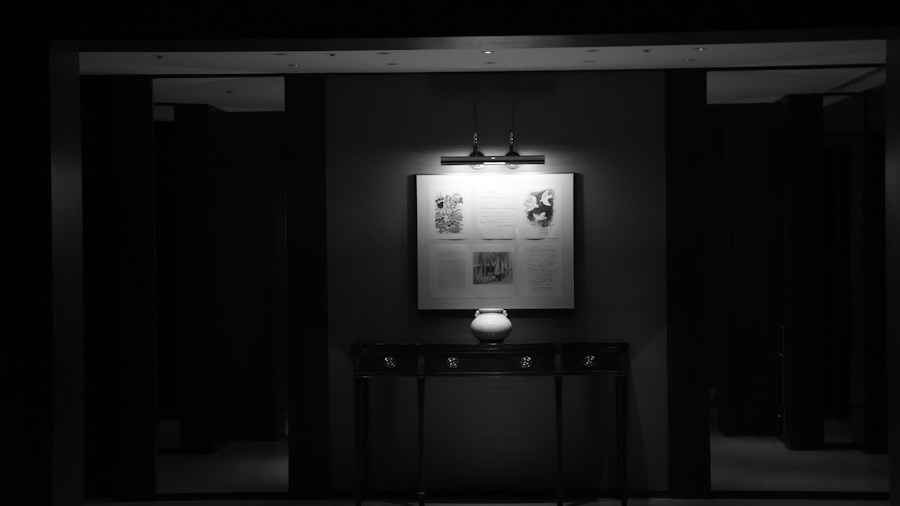
Once you’ve selected your bowl, placement matters. Coffee tables remain prime real estate for statement ceramic pieces, but console tables, shelving, and entryway surfaces all work well. The key is ensuring the bowl doesn’t compete with surrounding items. If you’re displaying a highly sculptural or patterned piece, keep the surrounding area relatively clear so it can command attention.
The lived-in aesthetic encourages combining your bowl with other vintage or ceramic pieces rather than leaving it isolated. Grouping complementary bowls or pairing a sculptural piece with books or plants creates depth and visual interest. This arrangement approach prevents any single item from feeling like a lonely accent and instead creates a cohesive vignette.
Making Your Purchase
Sculptural bowls at premium price points offer artisanal appeal, but accessible alternatives exist. Stoneware options from mainstream retailers deliver the same organic modern aesthetic at a fraction of the cost. When comparing options, consider whether the bowl’s shape and glaze align with your existing color palette and furniture style. Because these pieces are meant to be visible and central to your decor, choosing one that genuinely excites you matters more than following trends blindly.
The shift away from round, perfect bowls represents something bigger about contemporary home design: acceptance of imperfection as beauty. As you shop for decorative pieces, embrace asymmetry, celebrate handmade qualities, and prioritize pieces that feel authentic to your space.









Write Your Review
No reviews yet. Be the first to share your experience!