

Homeowners are increasingly asking for landscape solutions that reduce environmental impact without sacrificing durability or style. Whether you are planning a new patio, replacing an aging deck, or adding a garden path, understanding your material options can help you make choices that benefit both your budget and the planet.
Why Hardscaping Material Choices Matter
Every hardscaping product carries what experts call a production history: the energy and resources consumed during manufacturing, the fuel burned during shipping, and ultimately the disposal or reuse at the end of its life. Conventional concrete, virgin lumber, and newly manufactured pavers all carry these hidden environmental costs. The good news is that sustainable alternatives are becoming widely available and often prove more cost-effective over time due to lower maintenance needs and superior durability.
A growing number of homeowners are actively seeking out locally sourced materials and repurposed elements, recognizing that creative approaches yield attractive results. You may already have salvaged bricks, concrete pieces, or other materials on hand that can be incorporated into your design, turning waste into functional garden features.
Recycled and Responsibly Sourced Lumber Options
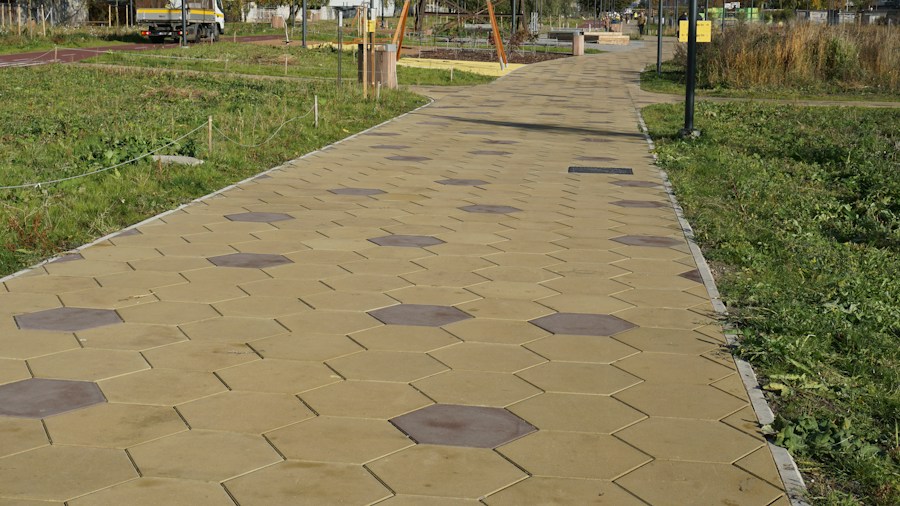
For decks, fences, and other wood-based hardscaping, you have several alternatives to conventional lumber. Composite decking and recycled plastic lumber have evolved significantly and now offer durability advantages that may justify their initial cost through extended lifespan and minimal upkeep. While manufacturing these products is not carbon neutral, using recycled content reduces demand for virgin resources.
Another approach is to select responsibly sourced, third-party-certified lumber carrying Forest Stewardship Council (FSC) certification. This seal guarantees that wood was harvested, processed, and tracked according to established environmental standards. For many shoppers, this transparency provides confidence that their purchase supports responsible forestry practices.
Permeable Paving and Reclaimed Materials
Patios represent a major investment in your garden landscape, and the choice between permeable and traditional solid paving directly affects stormwater management on your property. Permeable pavers, open-grid systems, and pervious concrete allow water to pass through the surface into underlying layers, reducing runoff and erosion when properly installed and maintained.
Reclaimed brick and vintage pavers add character while keeping durable materials in circulation. One landscape designer worked with a client who sourced over 4,000 reclaimed clay pavers from the early 1900s that now pave pathways and patios with a distinctive, weathered appearance. This approach eliminates the need for new manufacturing while delivering authentic, one-of-a-kind aesthetics. When selecting salvaged brick, verify that materials can withstand your climate and freeze-thaw cycles to ensure longevity.
Upcycled Concrete and Found Materials
Crushed and broken concrete pieces, sometimes called urbanite, represent an enormous waste stream that typically ends up in landfills. By repurposing these fragments as stepping stones, patio bases, or pathway fill, you give common building waste a second life. Pieces can be fitted together puzzle-style with soil and plants filling the gaps, creating rustic outdoor rooms that invite creativity.
Crushed concrete also serves as an effective base layer for paths and patios when suitable for your intended application. Local sourcing of crushed concrete further reduces the carbon footprint associated with transportation.
Beyond concrete, other found materials deserve consideration. Salvaged wood rounds create woodland pathways with natural character, though they will eventually decay. Reused glass bottles can define garden bed edges, provided they are installed securely. Even gravel fire pit areas with simple benches offer functional gathering spaces without requiring elaborate patio installations. Thoughtful material selection aligns with broader gardening values that emphasize stewardship and resourcefulness.
What Sustainability Means for Your Bottom Line
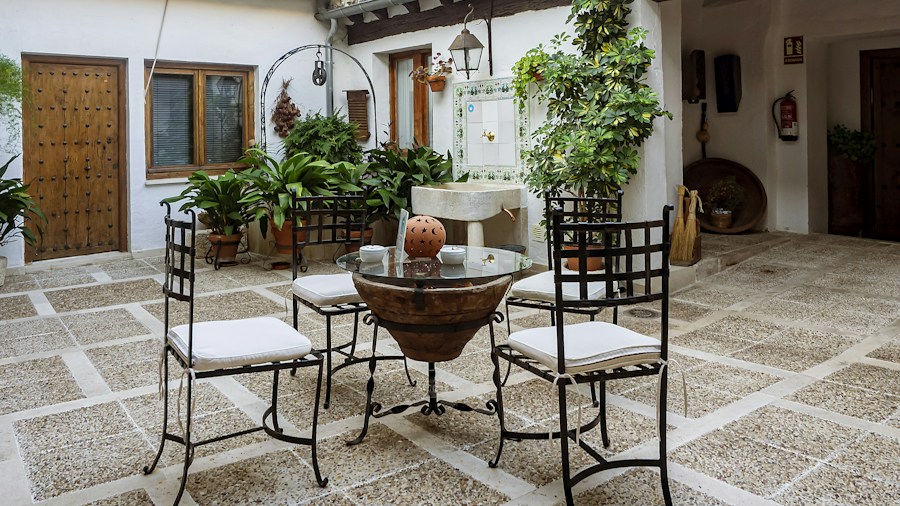
Choosing eco-friendly hardscaping does not automatically mean paying premium prices. Many sustainable options actually reduce long-term costs through lower maintenance requirements and extended useful lifespans. Time-tested designs demonstrate that durability and environmental responsibility align perfectly, as materials built to last inherently waste fewer resources over decades.
The convenience of ordering ready-made new materials from standard suppliers may seem appealing upfront. However, investing time to research salvaged, recycled, and locally sourced alternatives can yield equally attractive results at comparable or lower total cost. Starting your project by surveying what materials are already available for reuse within your community is a smart first step.
Taking Action in Your Garden
Before making hardscaping purchases, ask yourself whether you might source materials from deconstruction sites, salvage yards, or other property owners planning their own landscape updates. Sustainable practices extend to every aspect of thoughtful garden design. Whether your goal is preventing waste, conserving resources, or protecting local ecosystems, the materials you select for your garden paths, patios, and edging directly reflect your values and impact your surrounding environment.











Write Your Review
No reviews yet. Be the first to share your experience!