

The commercial HVAC industry is experiencing unprecedented growth, driven largely by the explosive expansion of data centers worldwide. Recent financial results show that major equipment manufacturers are seeing orders jump dramatically, with backlogs reaching record levels. For homeowners and building managers, these industry trends could have real implications for pricing, availability, and the future of cooling technology.
The Data Center Cooling Boom Driving HVAC Growth
Commercial HVAC orders have surged 44% in the latest reporting period, according to industry leaders. The primary catalyst behind this growth is the massive demand for data center cooling systems. As artificial intelligence, cloud computing, and digital services continue to expand, data centers require increasingly sophisticated temperature and humidity control. Battery manufacturing facilities and semiconductor plants are also driving significant orders, along with large research institutions upgrading their cooling infrastructure.
The backlog for commercial HVAC equipment has now reached $23 billion, representing a 43% increase. This means manufacturers have secured contracts for work that extends well into the future, indicating robust long-term demand. Organic revenue in the sector has grown 12%, with double-digit expansion across North America and Asia-Pacific regions.
Why Your HVAC Costs May Rise
As demand accelerates, so do prices. Manufacturers are implementing price increases that significantly outpace inflation. While companies are working to remain competitive, they are deliberately raising prices faster than their material and labor costs increase. This means consumers should expect to pay more for HVAC equipment and installation in the near term.
The challenge facing manufacturers is balancing the need to recover costs from rising materials and labor with the pressure to stay competitive in the market. Price increases are expected to continue into 2027, though manufacturers acknowledge they may not fully preserve their profit margins on inflation recovery alone. Homeowners should have conversations with contractors about cooling needs before emergencies force immediate replacements, as prices are unlikely to decline soon.
Equipment Availability and Capacity Constraints
While demand is at record levels, the supply side presents a more complex picture. Manufacturers have indicated they can expand production capacity relatively quickly, adding new manufacturing facilities within 12 months or even quarters using lean manufacturing techniques. However, the main constraint is not production capacity but rather customer infrastructure limitations.
Many large data center operators and other commercial clients are facing power and electrical infrastructure bottlenecks. Their facilities cannot accept new cooling equipment faster than their electrical systems can support them. This means even though manufacturers could theoretically deliver all their backlog within a year, customers cannot physically install and operate the equipment due to power limitations. This dynamic actually benefits consumers by potentially slowing price escalation somewhat, since manufacturers cannot simply flood the market with equipment faster than customers can absorb it.
The Future of HVAC Technology
The composition of HVAC systems is shifting. Manufacturers are seeing increased demand for high-end chiller systems, particularly for data center applications where precision cooling is critical. Newer cooling architectures, including direct-to-chip and liquid cooling solutions, are creating additional opportunities for specialized equipment beyond traditional chillers. Integration with advanced building control systems is becoming increasingly important as commercial buildings become smarter and more efficient.
While some industry observers initially worried that new liquid cooling technologies might eliminate the need for traditional chiller systems, manufacturers report that data centers continue to be designed with multiple chillers for redundancy and to handle peak demand periods. The new technologies are actually complementary, creating more complex cooling systems with higher attachment rates and more equipment to maintain and service over time.
What This Means for Service and Maintenance
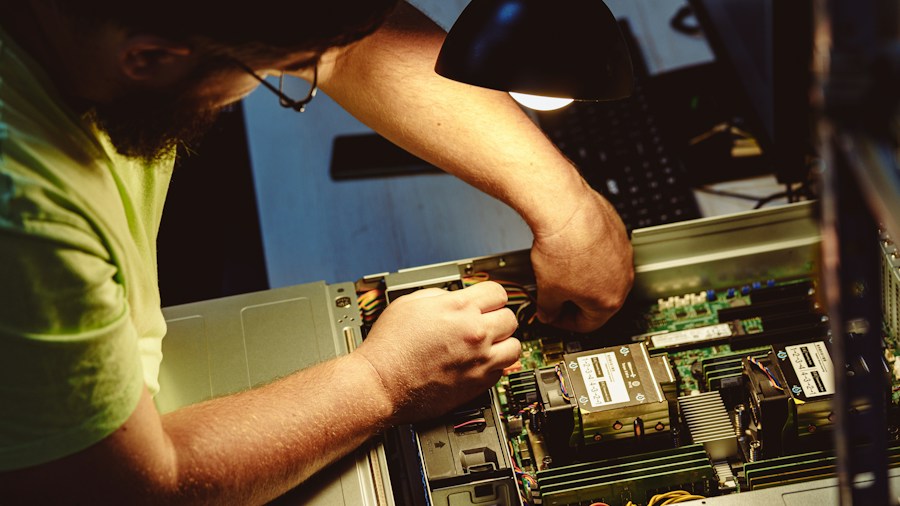
Beyond the initial equipment sales surge, the data center boom is creating a substantial service tail. Every cooling system installed in a data center requires ongoing maintenance, monitoring, and eventual replacement of components. Manufacturers expect that as this massive installed base grows, it will eventually generate significant aftermarket service revenue for HVAC contractors and technicians. This could mean more available service options but potentially longer wait times as contractors become busier.
Bottom Line for Shoppers
The HVAC industry is in a period of rapid expansion and change. For commercial property owners and building managers, this is a period of rising costs but also access to advanced cooling technologies. Understanding refrigerant transitions and equipment standards helps buyers make informed decisions about future-proofing their investments. If you are considering HVAC upgrades or replacements, expect higher quotes than in previous years, and consider locking in projects sooner rather than later as demand and pricing pressures continue to mount. The equipment market is robust and healthy, but the window for favorable pricing is closing.










Write Your Review
No reviews yet. Be the first to share your experience!