

A Major Shift in Sleep Tracking Value
The sleep tracking market has long been dominated by high-end wearables and smart rings that cost hundreds of dollars. But a new development is reshaping how consumers think about sleep monitoring: a completely free smartphone app is now delivering accuracy that rivals devices costing five times as much. This shift has significant implications for shoppers deciding whether to invest in premium sleep trackers.
The Free App That Matches Premium Wearables
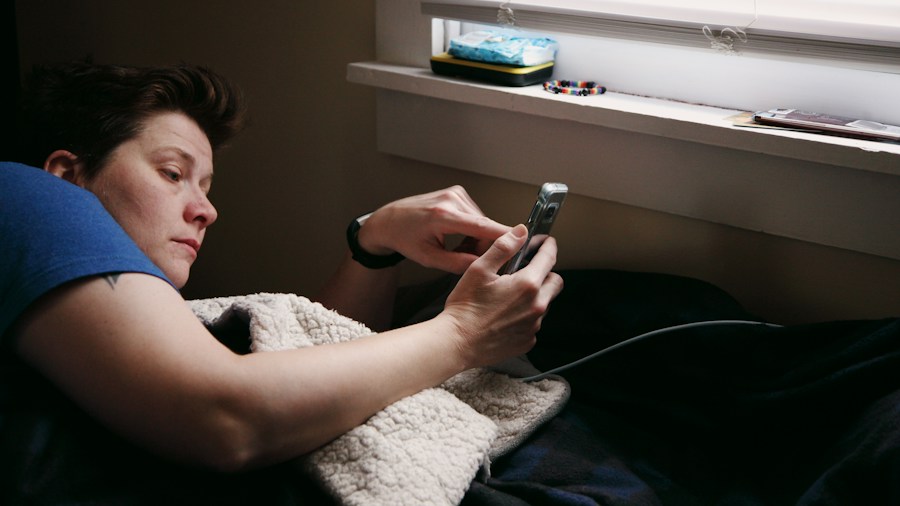
A contactless sleep tracking application called Sleepwave has emerged as a game-changer. The app works by placing your iPhone on your nightstand or mattress, using the device’s built-in motion sensors and microphone to monitor your sleep patterns. Unlike many free sleep apps, Sleepwave tracks multiple key metrics: total sleep duration, time awake during the night, sleep stages (light, deep, and REM), and sleep latency (how long it takes to fall asleep).
The remarkable part is its accuracy. When tested head-to-head against a premium $499 smart ring, Sleepwave’s data matched within a five-minute margin across all metrics except REM sleep. For a free application with no subscriptions or hidden costs, this level of precision represents a substantial challenge to the premium wearable space.
How This Affects Your Buying Decision
If your primary goal is understanding how long you sleep and how much deep sleep you accumulate each night, a free smartphone app may be sufficient. The app displays all sleep data in an easy-to-read infographic format, making it simple to spot trends over time. Additionally, Sleepwave includes a smart alarm feature that wakes you during light sleep, when you’re naturally more inclined to wake, reducing the jarring effect of being awakened during deeper sleep cycles.
For light sleepers, the app includes a bonus feature: it records ambient bedroom sounds throughout the night. This lets you review whether noise from snoring, traffic, or pets might be contributing to middle-of-the-night wake-ups.
Where Premium Wearables Still Hold an Edge
While Sleepwave is impressively accurate for sleep stage data, premium devices still offer features the free app cannot. High-end smart rings provide readiness scores (indicating how well-rested you are for the day ahead), heart rate variability tracking, insights into your natural circadian rhythm, and integrated fitness monitoring. If you want a holistic view of your health combining sleep, daily activity, and recovery metrics, a premium wearable remains necessary.
Additionally, wearable devices work automatically without requiring your phone to be placed in a specific location, making them more convenient for travel or if you frequently move during sleep. If you’re comparing options, consider reviewing how mid-range trackers stack up against premium smart rings to understand the full value spectrum available.
The Broader Market Impact
This development highlights a growing trend: smartphones are becoming increasingly capable sleep monitoring devices. As mobile processors improve and built-in sensors become more sophisticated, the gap between dedicated wearables and phone-based tracking continues to narrow. For budget-conscious consumers and those new to sleep tracking, this means there’s now a legitimate no-risk way to assess whether detailed sleep monitoring is actually valuable for your needs.
The appearance of high-quality free alternatives doesn’t eliminate the market for premium wearables, but it does increase pressure on these devices to justify their cost through additional features and convenience. You can also explore emerging non-wearable sleep tracking solutions that offer different approaches to monitoring your rest.
What This Means for Your Sleep Journey
The practical takeaway is clear: if you’ve been hesitant to invest in a sleep tracker due to cost, there’s now an excellent free option worth trying. Start with the phone-based app at no financial risk. If you find that basic sleep metrics help you improve your rest and you want more advanced features like fitness integration or health readiness scores, then consider upgrading to a premium device. This approach lets you make a more informed purchasing decision based on your actual needs rather than marketing promises.
The smartphone app market continues to democratize health tracking, and sleep monitoring is just the beginning. For consumers in 2024, this means more choice, lower barriers to entry, and genuine competition across price points in the sleep tracking space.








Write Your Review
No reviews yet. Be the first to share your experience!