

The next time you open the drawers of your bedroom dresser, you might be surprised to learn that its name has nothing to do with getting dressed. Instead, this common piece of bedroom furniture carries a name rooted in centuries of kitchen tradition, reflecting a fascinating shift in how we use household storage over time.
The Unexpected Kitchen Connection
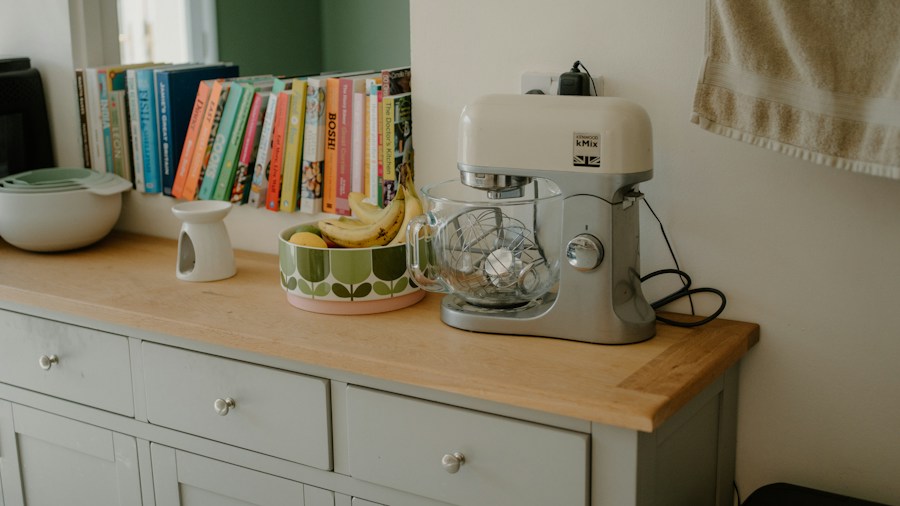
For roughly five hundred years, dressers were fixtures in kitchens and dining rooms across Europe and North America. During this long period, the piece of furniture we now associate with bedroom storage was actually a work station for food preparation. The term “dresser” itself comes from the verb “to dress,” but in this historical context, it referred to the practice of dressing, or preparing and arranging, food for service. Cooks and servants would use these sturdy, multi-drawer tables to ready meals, plate dishes, and organize tableware before presentation.
If you examine a traditional dresser closely, you might notice it bears a striking resemblance to a kitchen sideboard, and that similarity is no accident. Both pieces share the same functional ancestry. The sideboard remains associated with dining rooms and food service, while the dresser eventually migrated into bedrooms during the 1800s, where it took on a new role storing clothing and personal items instead of culinary supplies. Yet the name from its food-service days stuck around.
Understanding Dresser Design and Dimensions
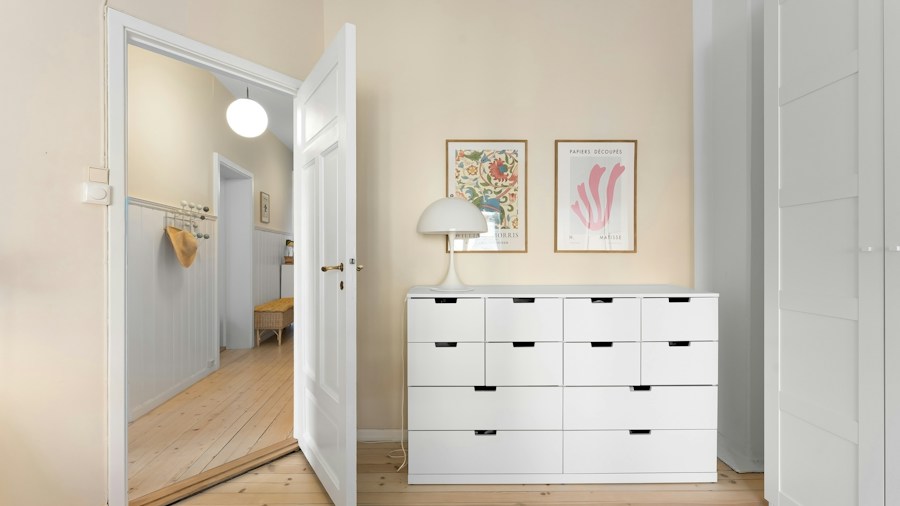
Today’s bedroom dressers are designed with horizontal emphasis, typically measuring up to 70 inches wide but standing no taller than 35 inches. Most models feature anywhere from five to nine drawers, offering ample storage capacity for clothing, accessories, and miscellaneous items. The horizontal form factor makes dressers ideal for larger bedrooms, where they can anchor a wall and serve as an attractive focal point.
One key feature that sets modern dressers apart is the option of a mirror mounted on the back surface of the top, creating what’s sometimes called a vanity dresser. This mirror placement allows you to keep grooming supplies, jewelry boxes, and decorative trays within arm’s reach. When evaluating options, understanding what to look for in a quality dresser can help you make a choice that balances durability, style, and value.
Dressers are typically constructed from solid wood, plywood, or particleboard, with wood finishes offering greater longevity and aesthetic appeal for many shoppers. The material composition directly affects both the price point and how well the dresser will hold up over years of regular use.
Dresser vs. Chest of Drawers: Key Differences
While dressers and chests of drawers may look similar at first glance, they serve distinctly different purposes and work best in different spaces. Understanding the distinction helps you choose the right storage solution for your needs.
Chests of drawers prioritize vertical storage, making them significantly taller and narrower than dressers, typically no wider than 38 inches. This vertical orientation makes chests excellent choices for smaller bedrooms where floor space is limited. Because they stand tall and narrow, chests of drawers have more compact top surfaces that aren’t ideally suited for displaying decorative items or personal grooming supplies. However, their vertical design makes them versatile enough to fit into other rooms like hallways, nurseries, or home offices.
Dressers, by contrast, emphasize horizontal spread and create lower, wider profiles that work best as statement pieces in larger bedrooms. The generous top surface provides practical space for a mirror, artwork, or functional items like jewelry organizers. If you’re concerned about stability, learning key safety tips to prevent dresser tip-overs is especially important if you have children or pets in your home.
Regional Language Variations
It’s worth noting that English-speaking countries don’t always use the same terminology for furniture. In the United Kingdom, the word “dresser” has retained its original kitchen and dining room associations far more than it has in the United States. British dressers typically refer to kitchen storage furniture with open shelving, quite different from the American bedroom dresser most of us know. This linguistic difference underscores how regional usage shapes furniture naming conventions.
Making the Most of Your Dresser
Whether you’re shopping for a new dresser or working with one you already own, recognizing its heritage and design purpose can help you use it more effectively. Budget-friendly DIY projects can add extra storage using recycled materials if you need additional drawer capacity without purchasing another piece. Vintage and antique dressers remain popular choices for homeowners looking to add character while upgrading their bedroom storage on a limited budget. Refinishing an older dresser can transform both its appearance and functionality while honoring the piece’s long history of usefulness in homes.











Write Your Review
No reviews yet. Be the first to share your experience!