

DIY Shower Curtain Wall Art Is Becoming a Popular Outdoor Decorating Solution
Decorating exterior walls presents a genuine challenge for homeowners. Outdoor decor must withstand weather exposure, complement your home’s aesthetic, and hold its own against natural surroundings. A growing trend is turning everyday shower curtains into gallery-quality wall art for patios and backyards. This approach leverages a material already engineered to handle moisture, making it an intelligent choice for outdoor conditions. By stretching a shower curtain across a wooden frame, you create durable, weather-resistant artwork that functions like stretched canvas but costs a fraction of the price.
This DIY solution appeals to budget-conscious decorators and those exploring creative upcycling options. Shower curtains come in countless colors and patterns, giving you endless design flexibility. Whether you select a curtain with existing artwork or customize a plain white option with your own designs, the finished piece will be substantial enough to make an impact from anywhere in your yard.
Materials and Preparation Matter for Long-Term Success
Before starting this project, gather the right supplies. You will need a shower curtain in good condition; worn or damaged curtains may tear during the stretching process or fail prematurely once installed. Look for curtains specifically labeled as water-resistant or waterproof, as these will better endure outdoor conditions. Cloth-based shower curtains typically offer water resistance, while plastic options provide full waterproofing.
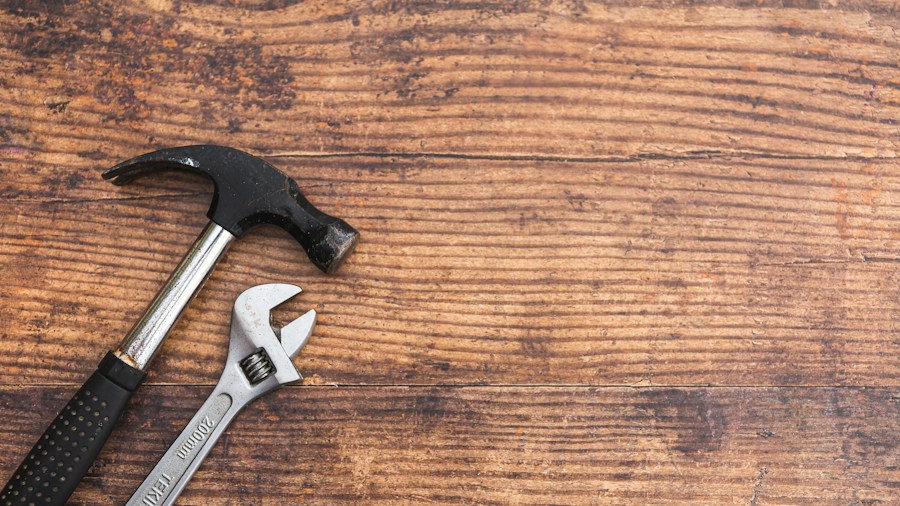
Beyond the curtain itself, you’ll need wooden materials and basic tools. Acquire 1-by-2-inch wood boards and exterior-grade screws for your frame. Essential tools include a saw, wood glue, clamps, and a staple gun. If you plan to paint or decorate the curtain, add paint, brushes, and UV-protective sealer to your shopping list. For those interested in exploring other creative wall art approaches, consider how old terracotta pots can transform into boho wall planters through similar upcycling techniques.
Building Your Wooden Frame Correctly Ensures Stability
Start by measuring your outdoor wall space and comparing it to your shower curtain’s dimensions. Remember that several inches of fabric will wrap around the back of the frame for stretching and securing, so your finished artwork will be smaller than the raw curtain size. Plan your frame dimensions accordingly.
Cut your 1-by-2-inch boards to length and width as needed. For a professional appearance, cut 45-degree angles at each corner using a miter saw or miter box. This creates tight, seamless corners that look polished. If you lack angled cutting tools, straight-edged boards work perfectly well too. Apply wood glue to each corner joint, clamp the pieces together, and let the glue cure for approximately 24 hours. Once dry, reinforce each corner with screws for maximum durability.
Stretching and Installing Your Finished Piece
Lay your curtain face-down on a clean surface and center the wooden frame on top. Working methodically from the top center outward toward the sides, fold the fabric back and staple it to the frame’s underside. Keep tension on the fabric as you work. Repeat this process on the bottom edge, pulling the curtain taut, then move to each side, folding corners neatly as you go.
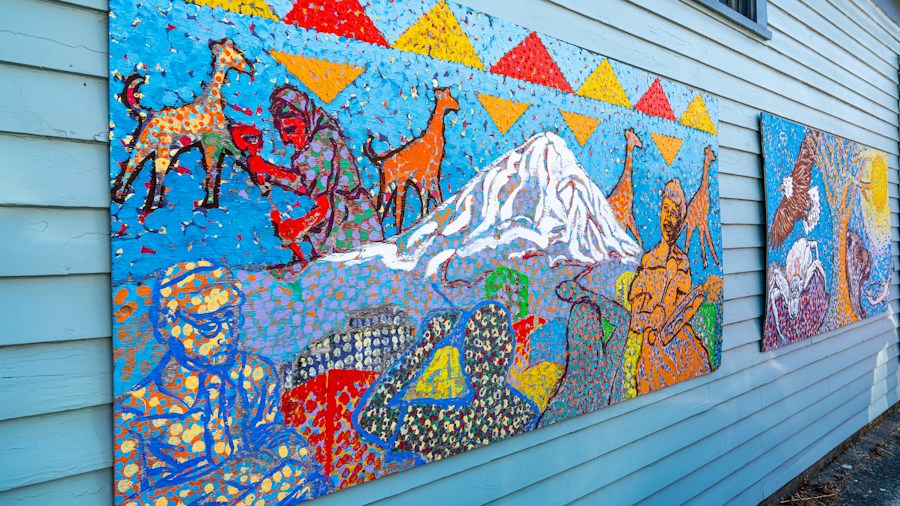
At this stage, customize your artwork. Paint designs directly onto the curtain, or leave an existing pattern as-is. After decorating, apply a UV-protective and waterproof sealer to shield the fabric from sun damage and weather. Alternatively, hang your creation in a shaded area to minimize fading. Those wanting to explore additional textile wall art options might find interest in the thrifted teacup wall art trend, which offers another creative direction for repurposed decor.
Proper Mounting Ensures Long-Term Durability
When hanging your artwork, secure the frame to your wall at multiple points to protect it from wind damage. Use outdoor-rated hardware exclusively, such as stainless steel hooks, nails, or masonry anchors. Standard interior fasteners will rust quickly and fail outdoors. Bring your artwork inside during severe weather or storms to extend its lifespan. For those interested in how textiles feature in home decor trends, the modern tapestry wall art movement demonstrates renewed interest in fabric-based wall installations across interior and exterior spaces.
This DIY project transforms an inexpensive material into striking outdoor decoration while demonstrating how thoughtful upcycling enhances both your space and your budget. The result is weather-resistant, customizable wall art that showcases your personal style.







Write Your Review
No reviews yet. Be the first to share your experience!