

The Teacup Wall Art Trend Taking Over Social Media
A creative DIY project featuring upcycled teacups has captured the attention of home decorators across social media, turning dusty vintage dishware into stunning three-dimensional wall art. The trend showcases how everyday household items can be transformed into gallery-worthy pieces without breaking the bank. This movement reflects a broader shift toward sustainable decorating and budget-friendly alternatives to expensive wall art.
The concept is straightforward: broken teacup pieces become flower petals in an elaborate floral composition. Creators use cardboard as a base, add a pot or cup center, incorporate green paper leaves and beads for stems, then fill the surrounding space with decorative mosaic tiles. The result is a sophisticated-looking art installation that costs minimal money to produce. For shoppers interested in refreshing their home decor without expensive purchases, this upcycling method offers real appeal.
How to Make Your Own Teacup Floral Wall Art
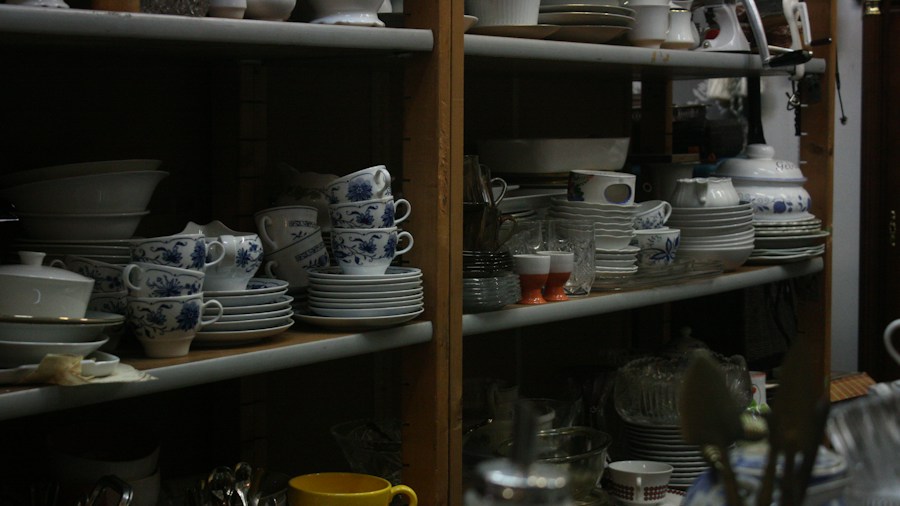
The process begins with gathering materials: old teacups, cardboard, a flower pot or plastic cup, green paper, craft beads, adhesive, mosaic tiles, and a frame. First, glue half a flower pot onto cardboard to create the foundation for your flowers. A plastic cup works equally well and can be painted to match your chosen color scheme. Cut green paper into leaf shapes and attach them around the base pot using strong craft glue.
Next comes the most satisfying part: carefully tapping old teacups with a hammer to break off curved pieces that resemble flower petals. Arrange these pieces in circular formations on your cardboard base and glue them in place. Use beads to form delicate stems, then fill empty spaces with black or colored mosaic tiles. Once everything has dried completely, frame your creation with a border of your choice. The entire project typically takes just a few hours and requires minimal artistic skill.
If you lack specific materials, don’t worry. You can simplify the design by painting your background and flower directly onto cardboard, then gluing teacup pieces on top as three-dimensional accents. Dollar Store faux flowers offer another budget-friendly substitution. For a more avant-garde aesthetic, consider using broken pieces from a teapot as the central stem structure instead of a traditional pot. Budget wall art trends continue to explode with simple DIY methods like these, proving that expensive purchases aren’t necessary for impressive home decor.
Where to Source Materials for This Project
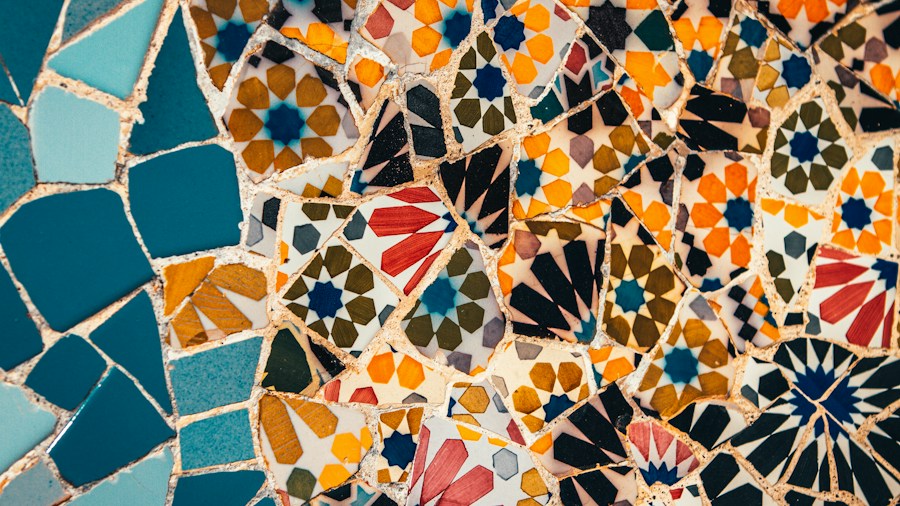
The beauty of this craft lies in its accessibility. Most people already have old teacups gathering dust in cabinets or storage boxes. However, if you need additional pieces, thrift stores offer abundant options at minimal cost. Charity shops, flea markets, and online secondhand marketplaces provide steady supplies of vintage dishware in varying styles and colors. You might even find complete sets for just a few dollars.
Before you begin smashing any antique teacups, take time to research their actual value. Some vintage teacups command surprisingly high prices when sold in original condition, particularly those from renowned makers or featuring rare patterns. Collectors actively purchase well-preserved pieces, and you could earn significantly more by listing them for sale rather than repurposing them into craft projects. Tapestry wall art and other textiles have made major comebacks in modern homes, showing that collectors value authentic vintage items. Always verify the maker, age, pattern, and condition before destroying any pieces.
What This Trend Means for Home Decorators
This viral DIY project represents something meaningful for budget-conscious shoppers: high-impact home improvement doesn’t require expensive purchases or professional installation. The trend encourages people to look at ordinary household items differently and recognize their decorative potential. It also promotes sustainability by reducing waste and giving second life to items destined for landfills.
For renters concerned about making permanent changes, this framed wall art offers the perfect solution. It’s easily removable, doesn’t require wall drilling, and can move with you between apartments. Kitchen wall art continues to become a major design focus in 2027, making this customizable approach particularly valuable for kitchen spaces. Whether you’re decorating a bedroom, living room, bathroom, or kitchen, the color scheme adjusts to match your existing palette simply by changing paint colors and tile choices.
The teacup wall art movement demonstrates that shoppers no longer need to choose between affordability and aesthetic appeal. With creativity, readily available materials, and a few hours of work, you can create gallery-quality decor that rivals expensive retail wall art. The key is starting with quality research on your materials and allowing adequate drying time between project stages.












Write Your Review
No reviews yet. Be the first to share your experience!