

As summer fades and temperatures drop, many gardeners face a critical window for making the most of their outdoor spaces. Late July through October presents unique opportunities and challenges for those looking to refresh their garden with plants that thrive as cooler weather arrives. Understanding what works during this seasonal shift can help you make smarter purchasing decisions for your landscape.
Why Late Summer and Fall Matter for Garden Planning
The transition from summer to fall offers distinct advantages for gardeners. Cooler temperatures mean less stress on newly planted perennials and shrubs, allowing roots to establish before winter dormancy. Many gardeners overlook this period, focusing instead on spring plantings, but fall actually provides ideal growing conditions in many regions. Plants moved or divided during late summer benefit from moisture-rich autumn weather and have several months to develop strong root systems.
Recognizing which plants perform best during this window helps you avoid purchasing varieties that won’t succeed in shortened growing seasons. Before buying plants for your garden, consider your hardiness zone and the specific environmental conditions where you plan to place them, such as sun exposure or moisture levels.
Key Plants That Thrive in Late-Season Gardens
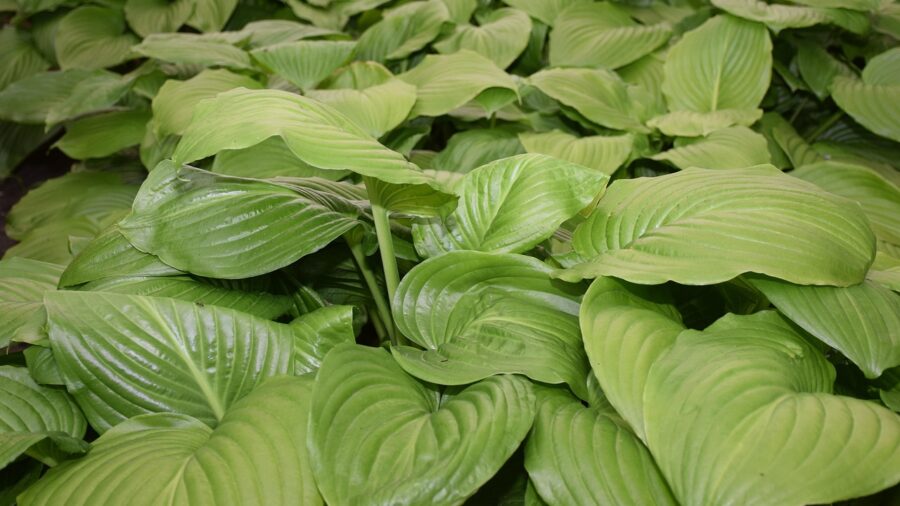
Hostas remain popular choices for shaded garden areas, particularly varieties that tolerate inconsistent light conditions. Moving hostas from overly sunny spots to sheltered locations under trees or structures can dramatically improve their appearance and vigor. Several hosta cultivars maintain attractive foliage throughout the season and even produce appealing flowers in late summer.
Astilbe companions work beautifully alongside hostas, offering complementary textures and subtle color variations. Other fall-blooming perennials like stonecrop varieties deliver reliable flowers that attract pollinators even as other plants decline. Fall weather conditions extend your garden season, allowing ornamental plants to continue blooming through October and beyond in many climates.
Shade-loving options include black cohosh, a native perennial that produces distinctive late-season flowers attractive to beneficial insects. These plants provide structure and interest when many summer bloomers have finished their display. When selecting plants for late-season impact, prioritize species known for reliability in your specific growing zone.
Managing Plant Transitions and Replanting
Late summer offers the perfect opportunity to address plants struggling in their current locations. Hostas receiving too much direct sun benefit significantly from relocation to shadier spots. Dividing overgrown plants during this period produces multiple specimens, essentially multiplying your investment without additional expense.
When replanting divided sections, ensure proper soil preparation and consistent moisture during establishment. Most perennials dividing well during late summer recover quickly and develop strong root systems before ground freeze. Seasonal plant care adjustments help your garden thrive as conditions shift from warm to cold.
Plan for unexpected plant discoveries as well. Late-blooming specimens sometimes escape your attention during spring cleanup or initial garden surveys. Leaving these surprising bloomers intact allows you to enjoy unexpected color and consider whether to propagate or relocate them for better visibility.
Selecting Appropriate Companions and Color Schemes
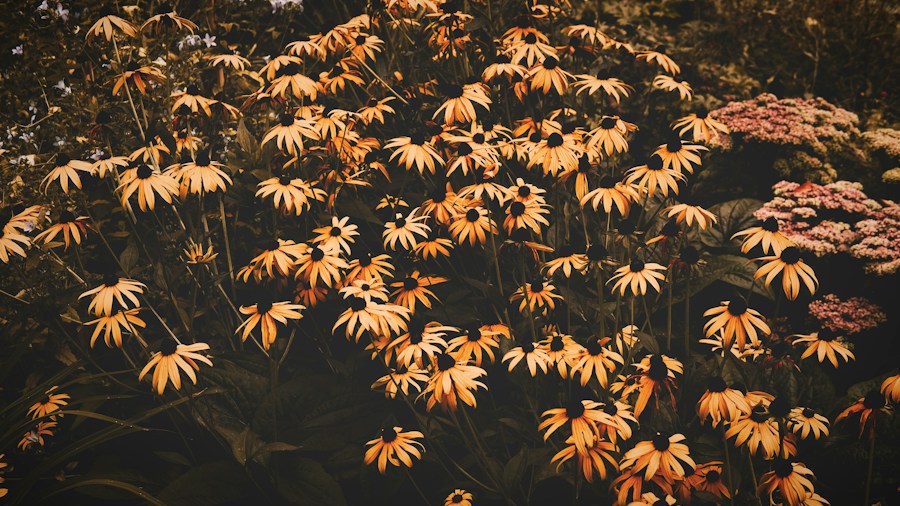
Late-summer and fall gardens benefit from thoughtful color combinations. Pairing complementary plants creates visual interest when many spring bloomers have long since faded. Classic combinations include contrasting foliage textures alongside ornamental grasses and flowering perennials that bloom during cooler months.
Pollinators remain active throughout fall, making late-blooming varieties particularly valuable additions. Plants like stonecrop and black cohosh attract butterflies and other beneficial insects well into autumn. These pollinator-friendly options support local ecosystems while providing garden structure and seasonal color.
Consider purchasing multiple specimens of reliable performers rather than experimenting with unfamiliar varieties late in the season. This conservative approach ensures success while you learn which plants perform best in your specific conditions and microclimate.
Preparing for Winter Success
As fall advances toward winter, proper garden maintenance protects your investment. Clearing drainage before winter arrives prevents water damage and rot in dormant plant areas. Mulching appropriately protects newly planted perennials from freeze-thaw cycles that can heave plants from the soil.
Late-season planting requires attention to hardiness zones and cold tolerance. Purchasing plants rated for at least one zone colder than your location provides insurance against unexpected cold snaps. This extra precaution protects your garden investment and prevents disappointment when tender plants don’t survive winter.
By understanding the unique opportunities that late summer through fall presents, you can make informed purchasing decisions that maximize your garden’s potential. Choosing appropriate plants for seasonal transitions and providing proper care during establishment ensures your outdoor space thrives year-round.









Write Your Review
No reviews yet. Be the first to share your experience!