

What’s Happening in Fall Gardens Right Now
As November approaches across much of the United States, gardeners in regions like the Midwest are experiencing unusually mild weather that is allowing flowering plants to remain vibrant well beyond their typical frost date. This extended growing season is catching the attention of plant enthusiasts and homeowners alike, as gardens that would normally be shutting down are instead putting on a second show of color. Real gardeners across the country are reporting that their flower beds are still packed with blooms, and the mild temperatures mean frost may hold off for several more weeks.
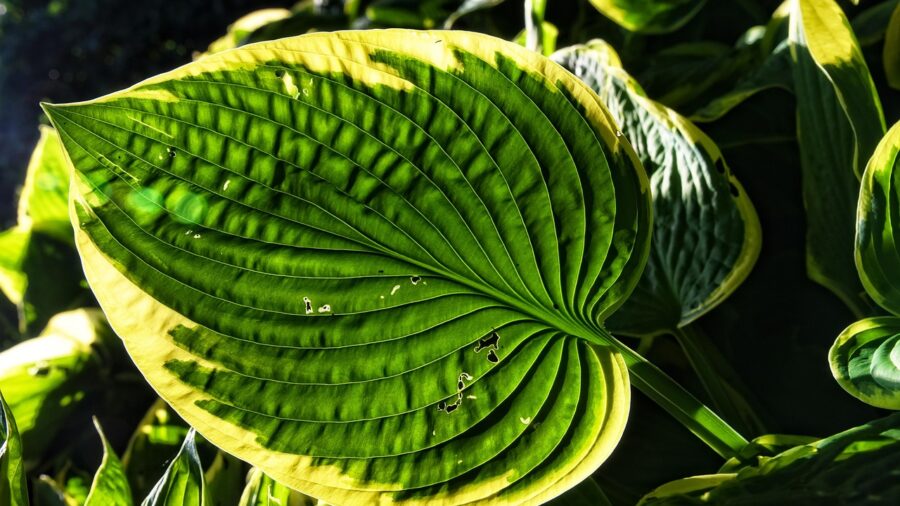
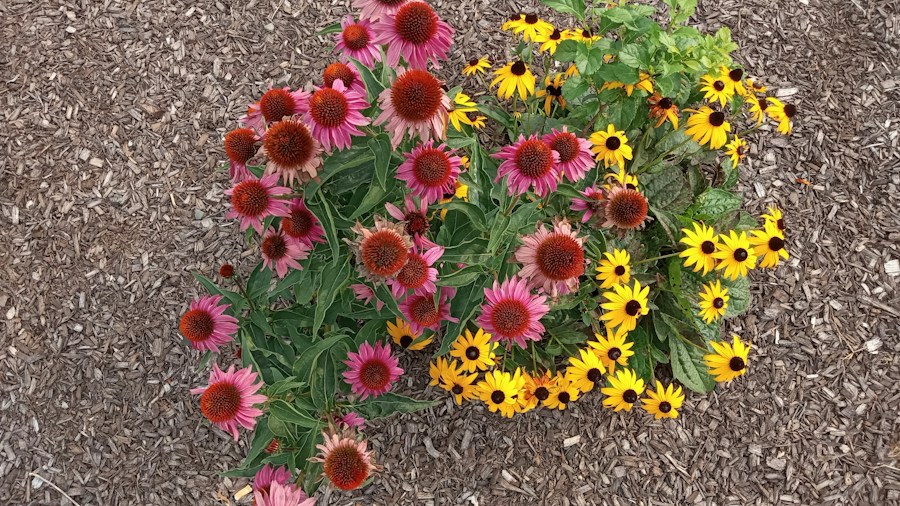
The extended fall display is particularly noticeable in shade gardens, where impatiens are continuing to fill spaces between hostas and ferns with bright color. Coneflowers in shades of red-orange are also holding strong, with their distinctive dark central cones still attracting attention. These hardy perennials demonstrate that late-season gardening opportunities are expanding thanks to shifting weather patterns.
Which Plants Are Performing Well in Late Fall
Several plant varieties are showing exceptional staying power as temperatures remain moderate. Impatiens, which thrive in shady borders, continue to provide instant color and fill gaps between shade-loving companion plants. Cutleaf coneflower, a hardy perennial rated for zones 3 through 9, is still producing flowers in late fall. Varieties like the Sombrero Sangrita coneflower are delivering rich red-orange petals that add visual interest to late-season gardens.
For gardeners considering what to plant now or save for spring, understanding which plants naturally extend the season is valuable information. As you prepare your garden for seasonal changes, selecting varieties with proven cold tolerance will maximize your outdoor enjoyment. The key is choosing plants that are rated for your hardiness zone and placing them where they will receive appropriate light conditions.
What This Means for Shoppers and Gardeners
The trend of extended fall color has important implications for consumers shopping for plants and garden supplies. Nurseries and garden centers are stocking inventory based on historical frost dates, but as weather patterns shift, savvy shoppers may find opportunities to purchase flowering plants later into the season than ever before. This extended window means you have more time to refresh tired garden beds or fill containers with seasonal color without worrying about an immediate hard freeze.
Home gardeners should also reconsider their shopping timeline. If your region is experiencing mild fall weather, holding off on putting away garden tools and cleaning up beds might pay dividends. You may be able to enjoy color and fragrance for several additional weeks without any extra effort. Additionally, supporting pollinators through fall means leaving flowering plants standing longer can provide essential food sources as insects prepare for winter.
Planning Your Garden Strategy Going Forward
For shoppers looking to maximize their garden investment this year and beyond, the lesson is clear: plant hardiness zones matter, but so do the microclimates within your own yard. Shade areas beside house foundations, protected corners, and south-facing walls all experience different conditions than open garden beds. Understanding these variations allows you to select plants that will thrive longer and provide extended seasonal interest.</n
Container gardening presents another opportunity for late-season shoppers. Fall container designs filled with hardy plants, ornamental grasses, and late-blooming perennials can deliver color and texture throughout extended mild periods. When frost does finally arrive, containers can be moved to protected locations or simply enjoyed as decorative elements with their faded foliage intact.
The shift toward longer growing seasons also suggests that gardeners should stay informed about emerging plant varieties bred for resilience and extended bloom times. As climate patterns continue to evolve, the plants that perform well in your garden may change. Consulting with local nursery staff about varieties suited to current rather than historical weather patterns can help ensure your purchases thrive.
Taking Action This Fall
If you are a gardener with mild fall weather in your region, now is the time to take advantage of the extended season. Visit local garden centers to see what plants are still available and performing well, and consider adding cold-hardy varieties to your shopping list. Take photos of what is thriving in your garden right now, as this information can guide future purchases and planting decisions. Most importantly, enjoy the extended opportunity to spend time outdoors tending to and admiring your garden before winter truly arrives.







Write Your Review
No reviews yet. Be the first to share your experience!