

Tired of Old String Lights? A Trending DIY Solution Uses Household Scraps
If your patio string lights are looking worn out with burnt-out bulbs and faded cords, you’re not alone. Many homeowners face the same challenge each season: replacing outdoor lighting adds up in cost and creates waste. A new decorating trend is changing how people approach this problem by transforming everyday materials into charming lanterns that add warmth and character to outdoor spaces.
The concept involves repurposing toilet paper rolls and natural fallen leaves to craft miniature illuminated structures that work beautifully on patios, porches, and garden areas. This approach combines sustainability with creativity, giving your outdoor space a fresh, organic aesthetic without the expense of new fixtures.
How to Create Your Own Leaf Lanterns
The process requires minimal supplies and basic crafting skills. You’ll need toilet paper rolls (one per lantern you want to create), scrap cardboard for the roof, scissors, hot glue, ModPodge adhesive, fallen leaves, and LED tea lights for the light source. The simplicity of this project makes it accessible for anyone, including families looking for weekend activities with their children.
Start by cutting a triangle shape at the top of each toilet paper roll to form the roof base. Next, fold the cardboard and cut small squares into it to create windows and doors around the structure, giving it a charming house-like appearance. Once satisfied with the design, apply ModPodge to the roll’s surface and carefully press pieces of fallen leaves onto it. Add another layer of ModPodge for protection and allow approximately twenty minutes for drying.
After the adhesive dries, create a small cardboard roof by cutting a rectangle, folding it in half, and hot gluing it to the top of the triangle base. The final step involves placing an LED tea light inside the circular base to illuminate your creation. Critical safety note: use only flameless LED lights, never real candles or tea lights, as cardboard is highly flammable.
Selecting the Right Leaves and Materials
Finding quality leaves is essential for this project’s success. Look for fallen leaves with appealing colors and interesting vein patterns. Fresh leaves work better than completely dried ones, as dried leaves tend to crack and won’t adhere properly to the cardboard. You can use uniform leaves for a cohesive look or mix different colors and textures for visual variety and depth.
The beauty of this method lies in its sustainability angle. Rather than purchasing new decorative lighting, you’re utilizing materials already available in your yard and home. This approach aligns with broader home decor upcycling trends that transform discarded items into stunning focal points, proving that thoughtful repurposing can rival expensive store-bought alternatives.
Placement and Weather Considerations
Location matters significantly when displaying these lanterns. Since cardboard isn’t waterproof and is lightweight, avoid areas exposed to rain, wind, or direct moisture. Place them in covered patio areas, under awnings, or near sheltered corners where they’ll remain protected from the elements.
For those wanting to display these creations in more exposed outdoor settings, placing each lantern inside a mason jar provides weather protection while maintaining visibility and aesthetic appeal. Alternatively, bring them indoors to use as mantel decorations, shelf displays, or table centerpieces where they can be enjoyed year-round.
Extending the Concept Beyond Autumn
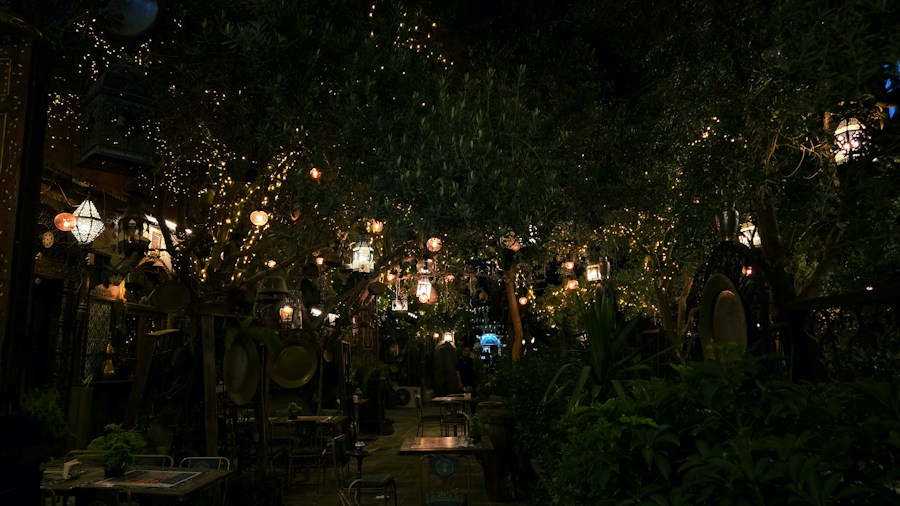
While this project works beautifully with fall foliage, its versatility extends far beyond the autumn season. Swap leaves for acrylic paint to create seasonal variations. Use festive reds and greens for Christmas displays, soft pastels for spring and Easter themes, or traditional summer colors for warmer months. This adaptability makes the basic template useful throughout the entire year, offering consistent decorative updates without significant additional investment. Modern home decor trends increasingly favor customizable, season-specific designs that reflect personal style while maintaining sustainability principles.
Why This Trend Matters for Budget-Conscious Shoppers
This DIY movement represents a significant shift in how consumers approach home decoration. Instead of replacing outdoor lighting fixtures every few years at substantial cost, creating handmade alternatives requires only materials you likely already have. The LED tea lights represent the only potential purchase, and quality flameless candles cost just a few dollars.
Beyond cost savings, this trend emphasizes creativity and personal expression in home decor. Mass-produced string lights offer limited aesthetic options, whereas handmade lanterns reflect individual taste and effort. Many shoppers now recognize that unique, DIY pieces often create more meaningful ambiance than generic store offerings. Contemporary design conversations increasingly celebrate artisanal and interactive elements that engage the maker and viewer on deeper levels.
Whether you’re looking to retire worn-out string lights or simply seeking an affordable way to enhance your outdoor space, this leaf lantern project offers a practical, beautiful, and sustainable solution that delivers immediate results and lasting enjoyment.








Write Your Review
No reviews yet. Be the first to share your experience!